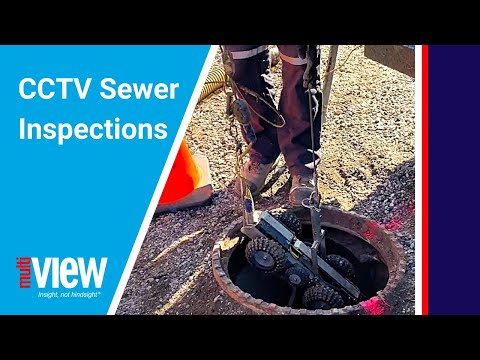
Beneath our feet lies an intricate, often overlooked network that keeps modern society functioning: municipal sewer systems. As urban areas continue to expand and existing pipe networks age, maintaining these subsurface systems becomes a critical priority. This is where advanced engineering infrastructure restoration techniques play a vital role in protecting public health, safeguarding the environment, and preventing costly municipal disruptions.
Comprehensive Inspection and Diagnostics
Before any repair or cleaning can begin, technicians must gain a accurate view of subsurface conditions. Utilizing modern Closed-Circuit Television (CCTV) cameras, specialized robotics, and non-destructive utility locating technology, engineering experts can pinpoint cracks, blockages, and structural weaknesses without invasive digging. These preliminary diagnostic inspections ensure that any subsequent rehabilitation efforts are precise, targeted, and cost-effective.
Cutting-Edge Cleaning and Maintenance Methods
Over time, sediment accumulation, tree root intrusion, and debris buildup can severely restrict pipe capacity, leading to backups and structural failure. High-pressure water jetting and advanced mechanical equipment are commonly deployed to clear these obstructions efficiently. Thorough cleaning not only restores original pipe capacity but also prepares the inner surfaces for long-term structural rehabilitation processes.
Sustainable Solutions Through Trenchless Technology
Traditional dig-and-replace methods often cause massive surface disruption, prolonged traffic delays, and excessive labor costs. In contrast, contemporary engineering infrastructure restoration heavily relies on trenchless technologies, such as Cured-In-Place Pipe (CIPP) lining and pipe bursting. These innovative methods allow specialists to rehabilitate damaged pipes from within, creating a seamless, jointless structure inside the original host pipe with minimal impact to the surrounding environment.
Securing the Future of Urban Utilities
Investing in routine sewer inspections, proactive cleaning, and state-of-the-art engineering infrastructure restoration ensures the resilience and long-term durability of underground networks. By leveraging modern diagnostic tools and trenchless repair solutions, municipalities and commercial property owners can maintain reliable, long-lasting utility systems built to serve future generations.
