Technology & Innovation: Lucid Responded To My Critical Review

online engineering degree/engineering degree online/online engineering courses/engineering technology online/engineering courses online/engineering technician degree online/online engineering technology/electronic engineering online
Knowledge Engineering
Lucid Responded To My Critical Review

Technical Overview: Lucid Responded To My Critical Review

This article provides an in-depth technical analysis of 'Lucid Responded To My Critical Review', covering key mechanism structures, engineering operational principles, and essential parameters for technical understanding.

In-Depth Structural & System Analysis

Lucid Responded To My Video "Owning A Lucid Has Been Disappointing" The Lucid Video They Responded To ...

Key Takeaways & System Summary

Through careful analysis of 'Lucid Responded To My Critical Review', understanding internal mechanisms and driving systems significantly optimizes operational efficiency and maintenance standards.

Avoid Costly Construction Mistakes: The Engineering IT Guide to Main Gate Side Channels

online engineering degree/engineering degree online/online engineering courses/engineering technology online/engineering courses online/engineering technician degree online/online engineering technology/electronic engineering online

When building your dream home, the main gate is more than just an entry point; it is the first impression of your property and a critical security feature. However, many homeowners and contractors overlook the technical nuances of installation, leading to functional failures down the line. By applying principles of Engineering IT and structural precision, you can ensure your gate remains sturdy and smooth for decades.

The Importance of Side Channel Alignment

The side channel is the backbone of a sliding or swing gate. It provides the track and support necessary for the gate to move without friction. A common mistake during house construction is installing these channels without verifying the vertical alignment. In technical terms, ensuring the "plumb" (or sahul) is perfect is non-negotiable. If the side channel is even a few millimeters off-center, it can lead to the gate sagging, grinding, or putting unnecessary pressure on the motor and hinges.

Integrating Engineering IT into Modern Construction

In the modern era, construction is no longer just about manual labor; it is about data-driven precision. Professional contractors now utilize Engineering IT solutions to model gate weights, wind resistance, and structural loads before a single brick is laid. This intersection of information technology and civil engineering allows for a more calculated approach to installation, ensuring that the materials used for your side channels are compatible with the weight of the gate.

Tips for a Flawless Installation

To avoid common pitfalls, follow these expert recommendations: 1. Check the Plumb Line: Always use a plumb bob or a digital level to ensure the side channel is perfectly vertical. 2. Secure the Foundation: The base of the side channel must be anchored into a solid concrete foundation to prevent shifting over time. 3. Rust Prevention: Ensure the channels are treated with anti-corrosive coatings before they are embedded into the masonry.

By leveraging Engineering IT standards during the planning phase, you can identify potential structural weaknesses early. This proactive approach saves you from the "construction mistakes" often seen in viral videos where gates fall or fail shortly after the project is completed.

Conclusion

Installing a main gate side channel requires more than just a hammer and some cement. It requires a commitment to precision and an understanding of structural mechanics. By focusing on alignment and using modern technical insights, you can guarantee a main gate that is as functional as it is beautiful. Don't let a simple installation error ruin your home’s curb appeal—get the engineering right the first time.

Engineering IT

Hy-Tech Engineers IPO Review: A Smart Investment in the Future of Engineering IT?

online engineering degree/engineering degree online/online engineering courses/engineering technology online/engineering courses online/engineering technician degree online/online engineering technology/electronic engineering online
engineering information technology
Hy-Tech Engineers IPO Review: A Smart Investment in the Future of Engineering IT?

Hy-Tech Engineers IPO Review: A Smart Investment in the Future of Engineering IT?

This article provides an in-depth exploration of Engineering IT, covering foundational concepts, practical applications, and engineering insights.

The Indian stock market continues to see strong momentum, and the upcoming Hy-Tech Engineers IPO has caught the attention of retail and institutional investors alike. As the industrial sector rapidly modernizes, companies that blend precision manufacturing with modern Engineering IT capabilities are becoming prime candidates for long-term growth. But is this IPO a solid opportunity for your portfolio, or should you approach it with caution? Here is a complete breakdown to help you decide.

Understanding Hy-Tech Engineers' Core Strengths

Hy-Tech Engineers has established a respectable niche in producing high-quality precision components and heavy machinery equipment. What sets the company apart in today's competitive industrial landscape is its forward-thinking approach to operational efficiency. By leveraging advanced Engineering IT systems, the firm streamlines its design, prototyping, and manufacturing workflows. This digital integration allows them to maintain strict quality control while serving diverse sectors, including automotive, aerospace, and industrial equipment.

Key Financials and Market Growth Drivers

When evaluating any initial public offering, looking closely at the financial health and overall industry outlook is essential:

  • Revenue & Profitability: Hy-Tech Engineers has demonstrated consistent top-line growth over recent fiscal years, supported by stable profit margins and healthy order books.
  • Industry Demand: The broader market push toward smart manufacturing, automation, and industrial digitalization continues to expand the total addressable market.
  • Technology Integration: The company’s continued focus on upgrading its Engineering IT infrastructure positions it well to capture high-margin contracts from both domestic and global clients.

Is the Hy-Tech Engineers IPO Good or Bad?

The Positives: Hy-Tech Engineers benefits from strong macroeconomic tailwinds, an established client base, and a clear commitment to modernizing engineering operations. Its efficient capital management makes it an intriguing candidate for growth-oriented investors.

The Potential Risks: Like many small-to-medium enterprise (SME) offerings, potential risks include broader market volatility, client concentration risks, and exposure to fluctuating raw material costs. Furthermore, listing gains will heavily depend on how favorably the IPO is priced relative to its peers.

Final Verdict

For investors seeking exposure to the intersection of industrial manufacturing and technological capability, the Hy-Tech Engineers IPO presents a compelling narrative. However, thoroughly evaluate the official red herring prospectus (RHP) and your personal risk tolerance before making any investment decision.

(Disclaimer: The content provided here is for general informational and educational purposes only and does not constitute financial or investment advice. Always consult a certified financial advisor before making investment decisions.)

Visual Insights & Illustrations

Engineering IT
Engineering IT
Engineering IT

In-Depth Overview: Learn Prompt Engineering ✅ 02/100 Days of AI Basics⚡ (Knowledge Engineering)

online engineering degree/engineering degree online/online engineering courses/engineering technology online/engineering courses online/engineering technician degree online/online engineering technology/electronic engineering online
Knowledge Engineering
Learn Prompt Engineering ✅ 02/100 Days of AI Basics⚡

Technical Overview: Learn Prompt Engineering ✅ 02/100 Days of AI Basics⚡

This article provides an in-depth technical analysis of 'Learn Prompt Engineering ✅ 02/100 Days of AI Basics⚡', covering key mechanism structures, engineering operational principles, and essential parameters for technical understanding.

In-Depth Structural & System Analysis

Technical documentation and detailed report for Learn Prompt Engineering ✅ 02/100 Days of AI Basics⚡.

Key Takeaways & System Summary

Through careful analysis of 'Learn Prompt Engineering ✅ 02/100 Days of AI Basics⚡', understanding internal mechanisms and driving systems significantly optimizes operational efficiency and maintenance standards.

Hy Tech Engineers IPO Review: Should You Invest in This Tech Engineering SME?

online engineering degree/engineering degree online/online engineering courses/engineering technology online/engineering courses online/engineering technician degree online/online engineering technology/electronic engineering online
engineering information technology
Hy Tech Engineers IPO Review: Should You Invest in This Tech Engineering SME?

Hy Tech Engineers IPO Review: Should You Invest in This Tech Engineering SME?

This article provides an in-depth exploration of Tech engineering, covering foundational concepts, practical applications, and engineering insights.

The Small and Medium Enterprises (SME) IPO market continues to generate significant interest among retail and institutional investors alike. Among the newest opportunities on the horizon is the Hy Tech Engineers IPO. Operating within the dynamic Engineering, Procurement, and Construction (EPC) space, this offering has sparked widespread debate: Is it a high-conviction "Apply" or a risky "Avoid"? As industrial demand rises, understanding the broader prospects of the tech engineering sector is essential for evaluating this listing.

Business Overview: Powering Industrial Infrastructure

Hy Tech Engineers specializes in delivering end-to-end EPC services tailored to complex industrial projects. By deploying modern tech engineering methodologies, the company oversees critical execution stages—from initial conceptualization and structural design to final equipment deployment. Its specialized operational focus allows it to serve niche market segments efficiently, giving it a strong competitive footprint within the expanding SME engineering ecosystem.

Financial Health and Valuation Dynamics

A thorough IPO analysis requires looking past the market hype and examining financial fundamentals. Hy Tech Engineers has shown promising growth metrics across recent fiscal years, driven by consistent order book execution.

Key evaluation parameters for prospective investors include:
- Revenue Consistency: Steady top-line trajectory backed by ongoing infrastructure demand.
- Profitability Margins: Stable operating margins reflecting effective cost management across EPC projects.
- Valuation Multiples: Offer pricing relative to established peers in the engineering segment.

While a robust project pipeline signals ongoing cash flow, investors should also evaluate potential working capital dependencies and debt obligations typical of capital-intensive engineering firms.

Hy Tech Engineers IPO GMP & Verdict: Apply or Avoid?

The Grey Market Premium (GMP) for Hy Tech Engineers offers a real-time reflection of market sentiment and short-term demand. While an upbeat GMP points to potential listing-day profits, long-term wealth creation hinges on underlying corporate fundamentals and sector tailwinds.

The Bottom Line: For investors looking to gain targeted exposure to an emerging player in tech engineering, Hy Tech Engineers presents a compelling business model. Aggressive investors aiming for listing gains or medium-term industrial exposure may find value in applying, while conservative investors may prefer observing its post-listing execution before entering.

Visual Insights & Illustrations

Tech engineering
Tech engineering
Tech engineering

Engineering Insights: Types of Flow Meter | Working Principles & Applications | Flow Measurement | #chemicalengineering

online engineering degree/engineering degree online/online engineering courses/engineering technology online/engineering courses online/engineering technician degree online/online engineering technology/electronic engineering online
Knowledge Engineering
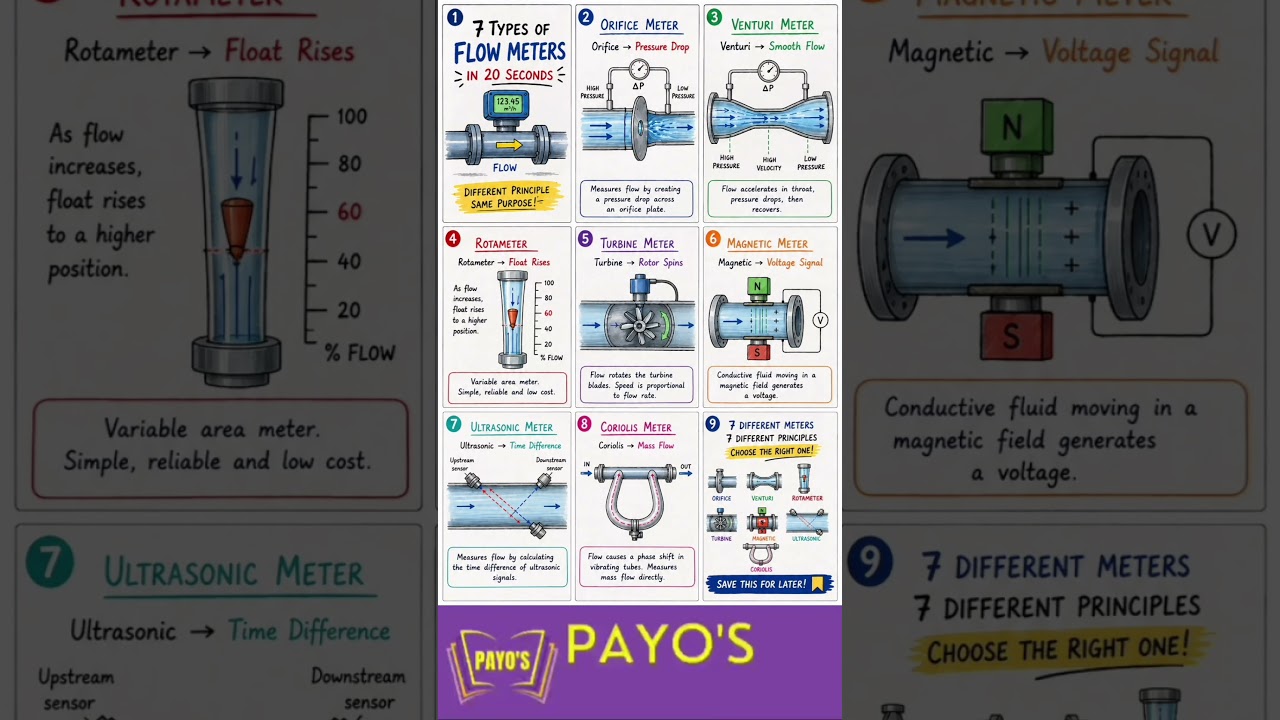
Types of Flow Meter | Working Principles & Applications | Flow Measurement | #chemicalengineering

Technical Overview: Types of Flow Meter | Working Principles & Applications | Flow Measurement | #chemicalengineering

This article provides an in-depth technical analysis of 'Types of Flow Meter | Working Principles & Applications | Flow Measurement | #chemicalengineering', covering key mechanism structures, engineering operational principles, and essential parameters for technical understanding.

In-Depth Structural & System Analysis

Types of Flow Meters | Process Design Engineering Learn the working principles of the most important flow meters used in ...

Key Takeaways & System Summary

Through careful analysis of 'Types of Flow Meter | Working Principles & Applications | Flow Measurement | #chemicalengineering', understanding internal mechanisms and driving systems significantly optimizes operational efficiency and maintenance standards.

10 Essential Pre-Brickwork Checks: How Engineering IT Enhances Site Management

online engineering degree/engineering degree online/online engineering courses/engineering technology online/engineering courses online/engineering technician degree online/online engineering technology/electronic engineering online

Starting brickwork is a critical milestone in any construction project. A single oversight during this phase can lead to structural defects, water seepage, and costly rework down the line. To maintain high quality standards, civil engineers must execute a meticulous pre-brickwork inspection on-site. Today, modern site management relies heavily on advanced Engineering IT solutions to digitize site checklists, streamline reporting, and ensure precise execution.

Here are the essential things every civil engineer must check before brickwork begins:

1. Foundation & Plinth Level Checks

Before laying a single brick, verify that the plinth beam level is even and structurally sound. Ensure the Damp Proof Course (DPC) is properly laid to prevent future capillary action and moisture ingress through the masonry walls.

2. Surface Cleaning and Base Preparation

The concrete base beneath the masonry must be thoroughly cleaned of dust, oil, and loose debris. Wetting the base prior to mortar application ensures optimal adhesion and prevents the concrete from prematurely absorbing water from the mortar.

3. Material Quality Inspection

Inspect the quality of bricks or concrete blocks. Bricks should be uniform in size, sharp-edged, free from cracks, and well-soaked in clean water before placement. Additionally, ensure the mortar mix ratio strictly adheres to structural specifications.

4. Column Hacking and Layout Alignment

Concrete columns coming into contact with brickwork must be properly hacked (chipped) to create a rough surface for mortar bonding. Furthermore, re-verify reference grid lines, door/window openings, and wall thickness against approved structural drawings.

Digitizing Quality Control on Modern Sites

By integrating smart Engineering IT tools—such as cloud-based site-inspection apps and BIM-integrated management software—engineers can photograph site conditions, log checklist approvals, and sync live data instantly with off-site managers. This digital transformation reduces human error and accelerates decision-making on active construction sites.

Conclusion

A rigorous pre-brickwork check is non-negotiable for delivering durable, safe structures. Combining traditional civil engineering best practices with modern Engineering IT workflows guarantees superior quality control, keeping your building projects efficient, compliant, and on schedule.


Engineering IT

Engineering Insights: JEE Advanced 2026 Marks Vs Rank | Response Sheet & Answer Key Out! | IIT, NIT, IIIT Cutoff 🚨

online engineering degree/engineering degree online/online engineering courses/engineering technology online/engineering courses online/engineering technician degree online/online engineering technology/electronic engineering online
Knowledge Engineering
JEE Advanced 2026 Marks Vs Rank | Response Sheet & Answer Key Out! | IIT, NIT, IIIT Cutoff 🚨

Technical Overview: JEE Advanced 2026 Marks Vs Rank | Response Sheet & Answer Key Out! | IIT, NIT, IIIT Cutoff 🚨

This article provides an in-depth technical analysis of 'JEE Advanced 2026 Marks Vs Rank | Response Sheet & Answer Key Out! | IIT, NIT, IIIT Cutoff 🚨', covering key mechanism structures, engineering operational principles, and essential parameters for technical understanding.

In-Depth Structural & System Analysis

JEE Advanced 2026 Official Response Sheet and Provisional Answer Key are OUT! In this video, we cover a complete, in-depth ...

Key Takeaways & System Summary

Through careful analysis of 'JEE Advanced 2026 Marks Vs Rank | Response Sheet & Answer Key Out! | IIT, NIT, IIIT Cutoff 🚨', understanding internal mechanisms and driving systems significantly optimizes operational efficiency and maintenance standards.

B.Tech to Tech Pro: The Ultimate 4-Year Roadmap for Engineering Software Careers

online engineering degree/engineering degree online/online engineering courses/engineering technology online/engineering courses online/engineering technician degree online/online engineering technology/electronic engineering online
engineering information technology
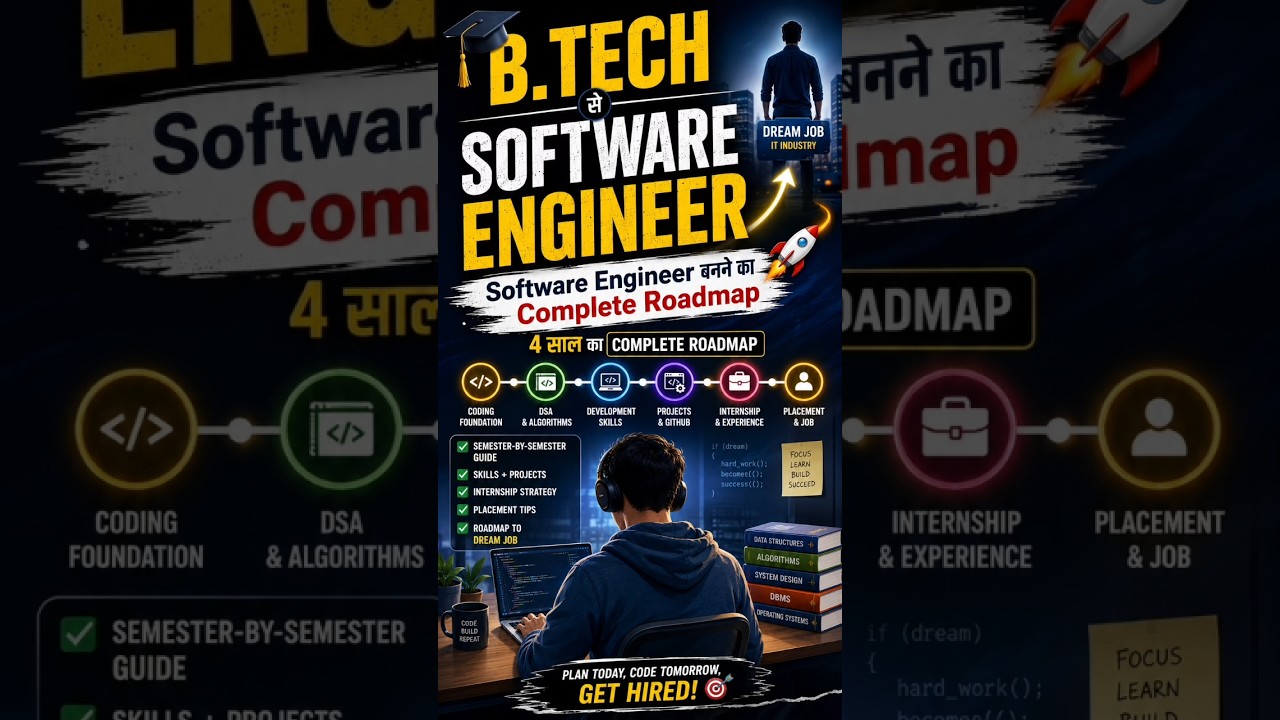
B.Tech to Tech Pro: The Ultimate 4-Year Roadmap for Engineering Software Careers

B.Tech to Tech Pro: The Ultimate 4-Year Roadmap for Engineering Software Careers

This article provides an in-depth exploration of Engineering software, covering foundational concepts, practical applications, and engineering insights.

Transitioning from a B.Tech student to a high-paying software developer requires more than just attending college lectures. Without a clear plan, navigating four years of engineering can quickly become overwhelming. To stand out in today's competitive tech industry, you need a structured, semester-by-semester strategy that builds practical skills from day one.

Here is the ultimate 4-year roadmap to guide your journey from student to professional developer.

Year 1: Mastering Fundamentals and Logical Thinking

Your first year is all about breaking the ice with technology and developing a strong problem-solving mindset.
* Learn a Core Language: Pick one foundational language—such as C++, Java, or Python—and master its syntax and core logic.
* Understand Tech Ecosystems: Start exploring how modern engineering software works under the hood, including basic computer networks and operating system concepts.
* Build Consistency: Practice basic coding regularly on platforms like HackerRank or GeeksforGeeks.

Year 2: Data Structures, Algorithms, and Core CS Concepts

Year two is where serious technical preparation begins.
* Master DSA: Focus heavily on Data Structures and Algorithms (DSA). This is the backbone of almost all technical hiring interviews.
* Core CS Subjects: Pay close attention to Object-Oriented Programming (OOP), Database Management Systems (DBMS), and Operating Systems.
* Git & GitHub: Learn version control to manage and showcase your code repositories efficiently.

Year 3: Specialization and Hands-On Projects

By year three, it is time to move beyond theoretical knowledge and start building real-world applications.
* Pick a Tech Stack: Choose a domain such as Full-Stack Web Development, Mobile App Development, Cloud Computing, or Machine Learning.
* Build Projects: Create 2–3 end-to-end projects. Hands-on experience in building, debugging, and deploying applications demonstrates your practical ability to construct reliable engineering software.
* Open Source & Internships: Apply for summer internships and contribute to open-source projects on GitHub to gain industry exposure.

Year 4: Interview Prep, System Design, and Placement

Your final year is dedicated to conversion—turning your preparation into top job offers.
* Advanced DSA & Mock Interviews: Practice competitive programming and learn fundamental System Design principles. Conduct mock interviews to build confidence.
* Resume & Networking: Craft a clean, high-impact resume highlighting your best projects and internship experience. Optimize your LinkedIn profile and reach out for job referrals.
* Target the Right Companies: Apply for roles across tech startups and established enterprises that specialize in developing cutting-edge engineering software.

Final Thoughts

Consistency is the true key to transforming your B.Tech journey into a successful tech career. By breaking down your 4 years into clear semester-wise goals, you can build industry-ready skills step-by-step. Start today, stay disciplined, and take control of your engineering future!

Visual Insights & Illustrations

Engineering software

How Underwater Trains Work: The Role of Engineering IT in Modern Tunnels

online engineering degree/engineering degree online/online engineering courses/engineering technology online/engineering courses online/engineering technician degree online/online engineering technology/electronic engineering online

Have you ever wondered how high-speed trains travel safely beneath massive oceans and rivers? Moving thousands of passengers under millions of tons of water seems like an impossible feat. Yet, mega-engineering marvels like the Channel Tunnel between the UK and France, or the Seikan Tunnel in Japan, make subsea rail travel a daily reality. This incredible achievement relies on a combination of heavy structural design and cutting-edge Engineering IT systems.

The Feat of Subsea Tunneling

Building an underwater tunnel requires two primary methods: Tunnel Boring Machines (TBMs) or Immersed Tubes. Giant TBMs cut through bedrock deep beneath the seabed, lining the tunnel walls with heavy concrete segments as they advance. Alternatively, immersed tubes are pre-cast concrete sections lowered into a dredged trench on the seafloor and sealed together under immense water pressure. Both techniques require extreme precision to ensure water never breaches the structure.

The Power of Digital Control Systems

Constructing the physical tunnel is only half the challenge. Once built, keeping a train running smoothly hundreds of feet underwater demands sophisticated digital infrastructure. Today, Engineering IT plays a vital role in automating track signaling, monitoring structural pressure, and managing real-time data from thousands of underwater sensors. If a sensor detects even a minor shift in water pressure, structural strain, or air quality, automated control software alerts operators instantly, preventing potential disasters before they occur.

Essential Safety and Air Management

Safety inside subsea tunnels is maintained through continuous monitoring and automated systems. Massive ventilation shafts pump fresh air through auxiliary tunnels while extracting heat and exhaust. In addition, high-capacity drainage systems continuously collect and pump out natural seepage water. Modern Engineering IT solutions integrate these vital sub-systems into a centralized dashboard, ensuring seamless operation, optimal energy efficiency, and rapid automated response in emergency situations.

The Future of Subsea Travel

Underwater train tunnels represent one of humanity's greatest technical achievements. By blending physical construction with powerful digital tools, engineers have turned an impossible dream into everyday transportation. As technology advances, the evolution of digital systems will undoubtedly pave the way for even deeper, longer, and faster subsea routes across the globe.

Engineering IT

Revolutionizing Smart Cities: How a LoRaWAN IoT Gateway Drives Modern Street Lighting Retrofits

online engineering degree/engineering degree online/online engineering courses/engineering technology online/engineering courses online/engineering technician degree online/online engineering technology/electronic engineering online
engineering information technology
Revolutionizing Smart Cities: How a LoRaWAN IoT Gateway Drives Modern Street Lighting Retrofits

Revolutionizing Smart Cities: How a LoRaWAN IoT Gateway Drives Modern Street Lighting Retrofits

This article provides an in-depth exploration of IoT gateway, covering foundational concepts, practical applications, and engineering insights.

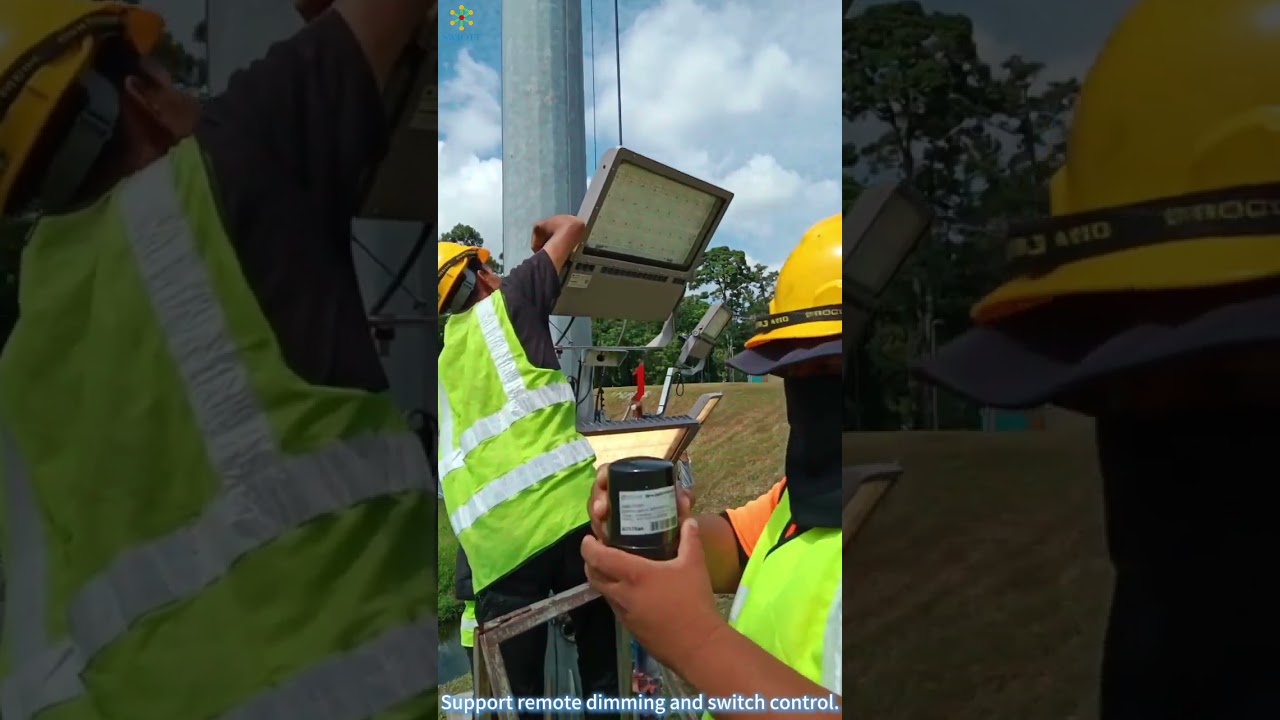
As municipalities around the globe strive to enhance energy efficiency and reduce operational costs, modernizing urban infrastructure has become a top priority. Street lighting retrofits present one of the most impactful opportunities for city-wide transformation. By combining SWIOTT NEMA smart street light controllers with cutting-edge wireless technology, cities can seamlessly upgrade traditional lighting grids into intelligent, automated management systems.

Streamlining Connectivity with a LoRaWAN IoT Gateway

At the heart of any successful smart lighting deployment lies robust, long-range connectivity. The integration of NEMA smart controllers with an industrial-grade IoT gateway enables cities to establish full-stack control over thousands of streetlights simultaneously. Using LoRaWAN (Long Range Wide Area Network) technology, these devices bridge the gap between individual light fixtures and cloud-based central management software, ensuring reliable communication across vast urban areas without heavy bandwidth costs.

Key Advantages of City-Wide Street Light Retrofits

Deploying an end-to-end IoT lighting solution offers distinct operational advantages for modern municipalities:

  • Automated Scheduling and Dimming: Dynamically adjust brightness levels based on traffic patterns, weather conditions, or time of day to drastically lower energy consumption.
  • Proactive Maintenance: Real-time fault detection alerts operators instantly when a fixture fails, reducing maintenance response times and eliminating manual street patrols.
  • Scalable Architecture: A single high-performance IoT gateway can connect thousands of smart controllers, making city-wide scaling simple and cost-effective.
  • Plug-and-Play Installation: Standard NEMA socket compatibility ensures that existing streetlights can be retrofitted quickly without complex rewiring.

Driving Sustainability and Economic Growth

Upgrading to smart street lighting is not just a technology refresh—it is a strategic investment in urban sustainability. Intelligent lighting networks significantly cut municipal carbon footprints while lowering electricity bills by up to 60%. Furthermore, establishing an integrated IoT gateway infrastructure creates a reliable backbone that can support future smart city initiatives, such as environmental monitoring, traffic management, and public safety sensors.

By leveraging full-stack IoT lighting solutions, municipal leaders can illuminate their streets smarter, lower operational overhead, and pave the way for a sustainable future.

Visual Insights & Illustrations

IoT gateway
IoT gateway
IoT gateway

Engineering Insights: Basic Thermodynamics 01 : Basic Concepts 01 | Mechanical Engineering | GATE 2027 Preparation

online engineering degree/engineering degree online/online engineering courses/engineering technology online/engineering courses online/engineering technician degree online/online engineering technology/electronic engineering online
Knowledge Engineering
Basic Thermodynamics 01 : Basic Concepts 01 | Mechanical Engineering | GATE 2027 Preparation

Technical Overview: Basic Thermodynamics 01 : Basic Concepts 01 | Mechanical Engineering | GATE 2027 Preparation

This article provides an in-depth technical analysis of 'Basic Thermodynamics 01 : Basic Concepts 01 | Mechanical Engineering | GATE 2027 Preparation', covering key mechanism structures, engineering operational principles, and essential parameters for technical understanding.

In-Depth Structural & System Analysis

Session By Shivam Dixit Sir GATE 2027 Preparation starts with a strong understanding of Basic Thermodynamics, one of the most ...

Key Takeaways & System Summary

Through careful analysis of 'Basic Thermodynamics 01 : Basic Concepts 01 | Mechanical Engineering | GATE 2027 Preparation', understanding internal mechanisms and driving systems significantly optimizes operational efficiency and maintenance standards.

From Miniature Models to Massive Innovation: Understanding the Power of Engineering IT

online engineering degree/engineering degree online/online engineering courses/engineering technology online/engineering courses online/engineering technician degree online/online engineering technology/electronic engineering online

In the world of modern technology, there is something uniquely satisfying about watching a complex machine operate with precision. Whether it is a full-sized construction vehicle or a high-end remote-controlled dumper, the mechanics behind the movement are a testament to human ingenuity. Often, these impressive displays of functionality are the result of a deep integration between physical hardware and digital systems.

The Hidden Complexity of Remote Machinery

At first glance, a remote-controlled dumper might look like a simple toy. However, as many viral tutorials and "watch till the end" demonstrations show, the internal workings are incredibly sophisticated. These machines require a perfect balance of torque, weight distribution, and signal processing. To achieve this level of synchronization, the field of Engineering IT plays a vital role.

By combining traditional mechanical engineering with advanced information technology, developers are able to create remote systems that are more responsive and durable than ever before. This synergy allows for precise hydraulic movements and long-range connectivity that was once reserved for industrial-grade equipment.
Bridging the Gap with Engineering IT

The evolution of these devices highlights a broader trend in the tech industry. We are no longer looking at hardware and software as separate entities. Instead, Engineering IT serves as the bridge that allows complex data to be translated into physical action. This involves everything from the micro-controllers that process remote signals to the software algorithms that prevent a dumper from tipping over under a heavy load.

For students and hobbyists diving into the world of engineering, starting with these remote-controlled models is a fantastic way to learn the ropes. It provides a hands-on environment to test theories of physics and logic, proving that the most complex industrial concepts can often be found in the palm of your hand.

Why You Should Watch Till the End

The "payoff" in many engineering tutorials—the moment where the machine completes a difficult task or reveals a hidden feature—is a celebration of successful design. It reminds us that behind every smooth movement is a series of calculated decisions and robust IT infrastructure.

As we continue to push the boundaries of what miniature and remote technology can do, the importance of integrated systems will only grow. Whether you are a professional or a curious enthusiast, exploring the intersection of mechanics and digital control is the first step toward mastering the future of innovation.

Engineering IT

Technical Analysis: Advanced Trigonometry & Engineering Mechanics | Lecture 7 | HSC 27 & Admission | Rakib (BUET) | Knowledge Engineering

online engineering degree/engineering degree online/online engineering courses/engineering technology online/engineering courses online/engineering technician degree online/online engineering technology/electronic engineering online
Knowledge Engineering
Advanced Trigonometry & Engineering Mechanics | Lecture 7 | HSC 27 & Admission | Rakib (BUET)

Technical Overview: Advanced Trigonometry & Engineering Mechanics | Lecture 7 | HSC 27 & Admission | Rakib (BUET)

This article provides an in-depth technical analysis of 'Advanced Trigonometry & Engineering Mechanics | Lecture 7 | HSC 27 & Admission | Rakib (BUET)', covering key mechanism structures, engineering operational principles, and essential parameters for technical understanding.

In-Depth Structural & System Analysis

Welcome to Lecture 7 of our premium Trigonometry (Chapter 7) masterclass, specially curated for HSC 2027 students, future ...

Key Takeaways & System Summary

Through careful analysis of 'Advanced Trigonometry & Engineering Mechanics | Lecture 7 | HSC 27 & Admission | Rakib (BUET)', understanding internal mechanisms and driving systems significantly optimizes operational efficiency and maintenance standards.

Technical Analysis: 🔧 Common Parts of Engine Explained | Basic Engine Components Guide ⚙️ | Knowledge Engineering

online engineering degree/engineering degree online/online engineering courses/engineering technology online/engineering courses online/engineering technician degree online/online engineering technology/electronic engineering online
Knowledge Engineering
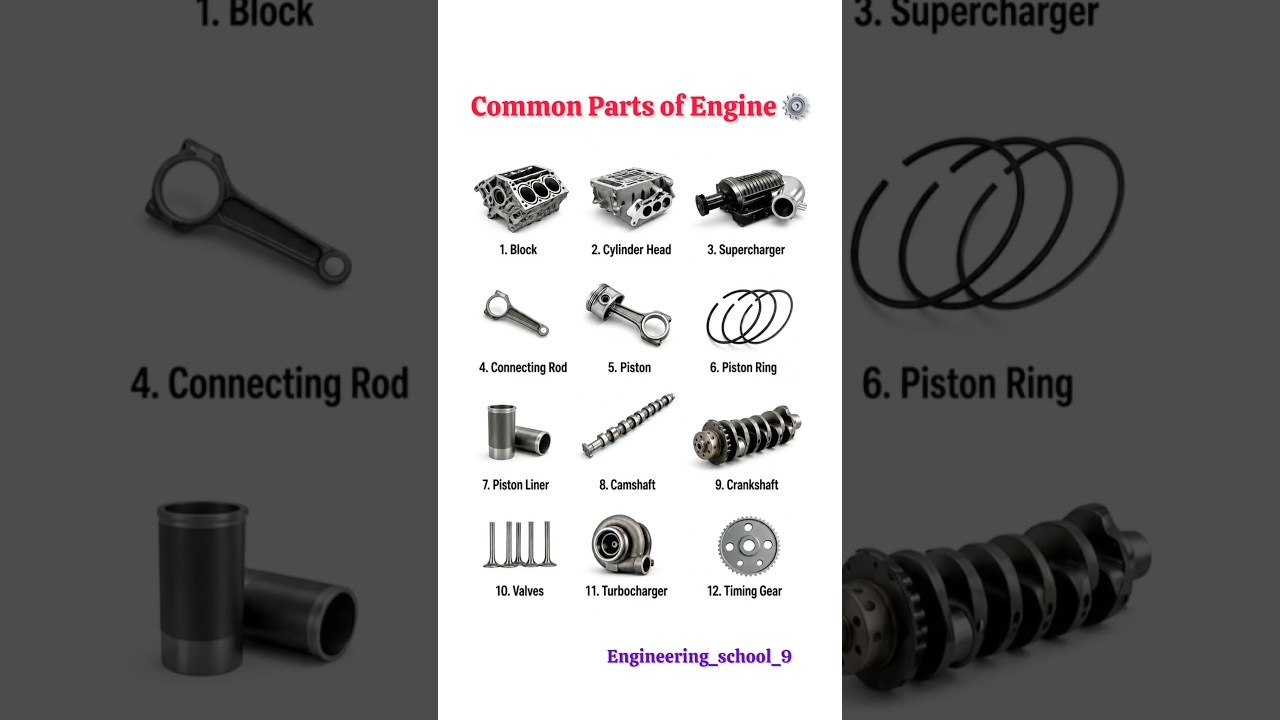
🔧 Common Parts of Engine Explained | Basic Engine Components Guide ⚙️

Technical Overview: 🔧 Common Parts of Engine Explained | Basic Engine Components Guide ⚙️

This article provides an in-depth technical analysis of '🔧 Common Parts of Engine Explained | Basic Engine Components Guide ⚙️', covering key mechanism structures, engineering operational principles, and essential parameters for technical understanding.

In-Depth Structural & System Analysis

Common Parts of Engine Explained | Basic Engine Components Guide ⚙️ Learn the names and functions of common engine ...

Key Takeaways & System Summary

Through careful analysis of '🔧 Common Parts of Engine Explained | Basic Engine Components Guide ⚙️', understanding internal mechanisms and driving systems significantly optimizes operational efficiency and maintenance standards.

From Raw Data to Real Insights: Mastering Data Analysis and Visualization in Engineering IT

online engineering degree/engineering degree online/online engineering courses/engineering technology online/engineering courses online/engineering technician degree online/online engineering technology/electronic engineering online

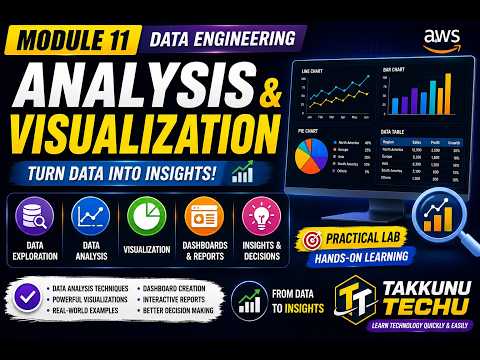
In the fast-paced world of Engineering IT, data is the most valuable asset an organization possesses. However, raw data by itself is like unrefined oil—it holds immense potential but requires sophisticated processing before it can provide any real value. This is where the intersection of data engineering and visualization becomes critical. In this guide, inspired by our deep dive into AWS Data Engineering, we explore how professionals transform chaotic datasets into clear, actionable narratives.

The Foundation: Beyond Simple Data Storage

Modern data engineering is about more than just moving files from one folder to another. It involves building robust pipelines that ensure data is clean, structured, and ready for analysis. For those pursuing a career in Engineering IT, understanding the "Transform" part of the ETL (Extract, Transform, Load) process is essential. By utilizing cloud environments like AWS, engineers can scale their processing power to handle massive datasets, ensuring that the information reaching the end-user is both accurate and timely.

Turning Complexity into Clarity

Visualization is the bridge between technical data architecture and business intelligence. While a data engineer might spend hours optimizing SQL queries or managing S3 buckets, the final output is usually a dashboard or a chart. Effective visualization allows stakeholders to spot trends, identify outliers, and make data-driven decisions at a glance.

Key tools in the AWS ecosystem, such as Amazon QuickSight, allow teams to create interactive dashboards that update in real-time. By mastering these tools, professionals specializing in Engineering IT are often the bridge between raw server logs and executive decisions, making them indispensable to their organizations.

Why Visualization is a Must-Have Skill

As we conclude our look into Module 11 of our data series, the takeaway is clear: analysis and visualization are the final "miles" of the data journey. Without them, the most advanced data pipeline in the world remains invisible to the people who need it most.

Whether you are building complex schemas or designing intuitive heat maps, the goal remains the same: to tell a story with data. By integrating these analytical skills into your technical repertoire, you position yourself at the forefront of the digital transformation era, ready to solve the complex challenges of the modern tech landscape.

Engineering IT

Unlocking the Future: How AI and Robotics Are Driving Industry 4.0 Innovation

online engineering degree/engineering degree online/online engineering courses/engineering technology online/engineering courses online/engineering technician degree online/online engineering technology/electronic engineering online
engineering information technology
Unlocking the Future: How AI and Robotics Are Driving Industry 4.0 Innovation

Unlocking the Future: How AI and Robotics Are Driving Industry 4.0 Innovation

This article provides an in-depth exploration of Industry 4.0, covering foundational concepts, practical applications, and engineering insights.

The modern technological landscape is undergoing a massive transformation. As global industries evolve, traditional manufacturing and automated processes are rapidly giving way to smart, interconnected ecosystems. At the center of this revolution is Industry 4.0, a paradigm shift where artificial intelligence, robotics, and data analytics converge to redefine efficiency and productivity across the globe. Initiatives like the five-day online workshop hosted by the ROBOTiX Club at NIT Raipur highlight just how critical these technologies have become for future engineers and industry leaders.

The Power of AI and Robotics Integration

In today’s competitive market, artificial intelligence and robotics no longer operate in isolation. Instead, they work in tandem to create intelligent systems capable of self-optimization, predictive maintenance, and real-time decision-making. By embedding machine learning algorithms into robotic hardware, smart factories can adapt to complex production lines with minimal human intervention. This powerful synergy serves as the foundational core of Industry 4.0, driving innovations across diverse sectors including automotive manufacturing, logistics, and healthcare.

Bridging the Gap Between Learning and Application

To thrive in a tech-driven world, aspiring professionals must look beyond theoretical knowledge and embrace practical application. Workshops focusing on cutting-edge fields offer valuable exposure to real-world industrial challenges. Participants gain direct insights into smart automation frameworks, IoT integration, and intelligent control systems that define modern engineering practices. Understanding these principles is essential for anyone looking to build scalable and resilient solutions for tomorrow’s smart infrastructure.

Preparing for a Smart, Connected Future

As automation tools continue to advance, the boundary between human oversight and machine autonomy will continue to blur. Adopting Industry 4.0 concepts is no longer merely an option for forward-thinking organizations—it is a necessity for long-term growth and sustainability. By actively engaging with continuous learning and emerging technologies, innovators and engineers can position themselves at the forefront of this industrial revolution, shaping a smarter and more connected world.

Visual Insights & Illustrations

Industry 4.0
Industry 4.0
Industry 4.0

Engineering Insights: Engineering Systems | 9th computer new book 2025

online engineering degree/engineering degree online/online engineering courses/engineering technology online/engineering courses online/engineering technician degree online/online engineering technology/electronic engineering online
Knowledge Engineering
Engineering Systems | 9th computer new book 2025

Technical Overview: Engineering Systems | 9th computer new book 2025

This article provides an in-depth technical analysis of 'Engineering Systems | 9th computer new book 2025', covering key mechanism structures, engineering operational principles, and essential parameters for technical understanding.

In-Depth Structural & System Analysis

https://www.youtube.com/playlist?list=PL8Gjny1FqqKEIm6N5EdM14v7YJegRy6bk ...

Key Takeaways & System Summary

Through careful analysis of 'Engineering Systems | 9th computer new book 2025', understanding internal mechanisms and driving systems significantly optimizes operational efficiency and maintenance standards.