Showing posts with label Product Lifecycle Management. Show all posts

What is a PLM System? A Complete Guide to Product Lifecycle Management

online engineering degree/engineering degree online/online engineering courses/engineering technology online/engineering courses online/engineering technician degree online/online engineering technology/electronic engineering online

In today's fast-paced market, managing a product’s entire journey—from initial idea and raw material extraction to end-of-life recycling—requires seamless organization and real-time data tracking. This end-to-end management process is known as Product Lifecycle Management (PLM). To execute this strategy effectively, modern enterprises rely on a dedicated PLM system to centralize operations and streamline communication across logistics and supply chains.

The Core Phases of the Product Lifecycle

A product's journey is complex and involves multiple stakeholders across various departments. Product Lifecycle Management organizes this journey into distinct, manageable phases:

  1. Design and Development: Brainstorming concepts, finalizing engineering specifications, and sourcing raw materials.
  2. Production and Logistics: Manufacturing the product, managing inventory, and optimizing global distribution channels.
  3. In-Service Support: Supporting the product in the market, gathering consumer feedback, and handling repairs or updates.
  4. End-of-Life and Recycling: Safely decommissioning the product, recovering reusable materials, and supporting sustainable circular economy practices.

By utilizing a robust PLM system, companies can track data across every single one of these phases, ensuring that engineers, logisticians, and business leaders are always working with accurate, real-time information.

Major Benefits of Implementing Product Lifecycle Management

Implementing structured lifecycle management transforms how businesses operate, especially within logistics and supply chain operations. Key advantages include:

  • Centralized Data Management: Eliminates information silos by storing all product data, engineering designs, and logistical details in a single source of truth.
  • Faster Time-to-Market: Standardized workflows and automated approval processes accelerate the transition from concept to mass production.
  • Enhanced Supply Chain Collaboration: Logisticians and external suppliers gain clear visibility into material requirements and production schedules.
  • Improved Sustainability: Tracking a product through to its recycling phase helps organizations reduce waste, lower carbon footprints, and satisfy strict environmental compliance standards.

Ultimately, integrating an advanced PLM system empowers organizations to reduce operational costs, boost product quality, and drive sustainable practices from raw material extraction all the way to recycling.

The Ultimate Fashion PLM System: Onbrand Overview for 2026

online engineering degree/engineering degree online/online engineering courses/engineering technology online/engineering courses online/engineering technician degree online/online engineering technology/electronic engineering online
engineering information technology
The Ultimate Fashion PLM System: Onbrand Overview for 2026

The Ultimate Fashion PLM System: Onbrand Overview for 2026

This article provides an in-depth exploration of PLM system, covering foundational concepts, practical applications, and engineering insights.

The fashion industry moves at breakneck speed, and managing product development through scattered spreadsheets and endless email chains is no longer viable. To stay competitive in 2026, modern apparel brands need a centralized single source of truth to manage their entire product lifecycle. Enter Onbrand—a top-tier software solution designed specifically to simplify design, sourcing, and production workflows for fashion brands.

Why Modern Apparel Brands Need a Dedicated PLM System

Scaling a fashion brand requires seamless collaboration between designers, product developers, and factory partners. Without an intuitive PLM system, miscommunications regarding Tech Packs, Bill of Materials (BOM), and sample revisions can lead to costly production errors and delayed launch dates.

Onbrand addresses these exact pain points. By replacing legacy software with a sleek, user-friendly interface, Onbrand enables teams to streamline product creation from initial sketch to final production sample, significantly reducing time-to-market.

Key Features of Onbrand PLM in 2026

What makes Onbrand stand out as a premier choice for fashion brands this year? Here are a few highlights:

  • Automated Tech Pack Generation: Easily create, update, and share detailed technical specifications with manufacturers in real time.
  • Centralized Vendor Collaboration: Eliminate lost emails by communicating directly with suppliers and factory partners within the platform.
  • Real-time Costing and Analytics: Track target margins and sample budgets instantly to maintain profitability throughout the product lifecycle.
  • Flexible Scalability: Whether you are an emerging indie label or an established apparel enterprise, the platform adapts to your unique operational workflow.

Elevate Your Fashion Brand Today

Choosing the right PLM system is one of the most critical decisions an apparel business can make to ensure long-term efficiency and profitability. Onbrand bridges the gap between creative vision and operational execution, giving fashion brands the structure they need without sacrificing flexibility. If you are ready to eliminate production chaos and scale your fashion brand effortlessly in 2026, exploring Onbrand is the ultimate next step.


🎬 Related Video Reference

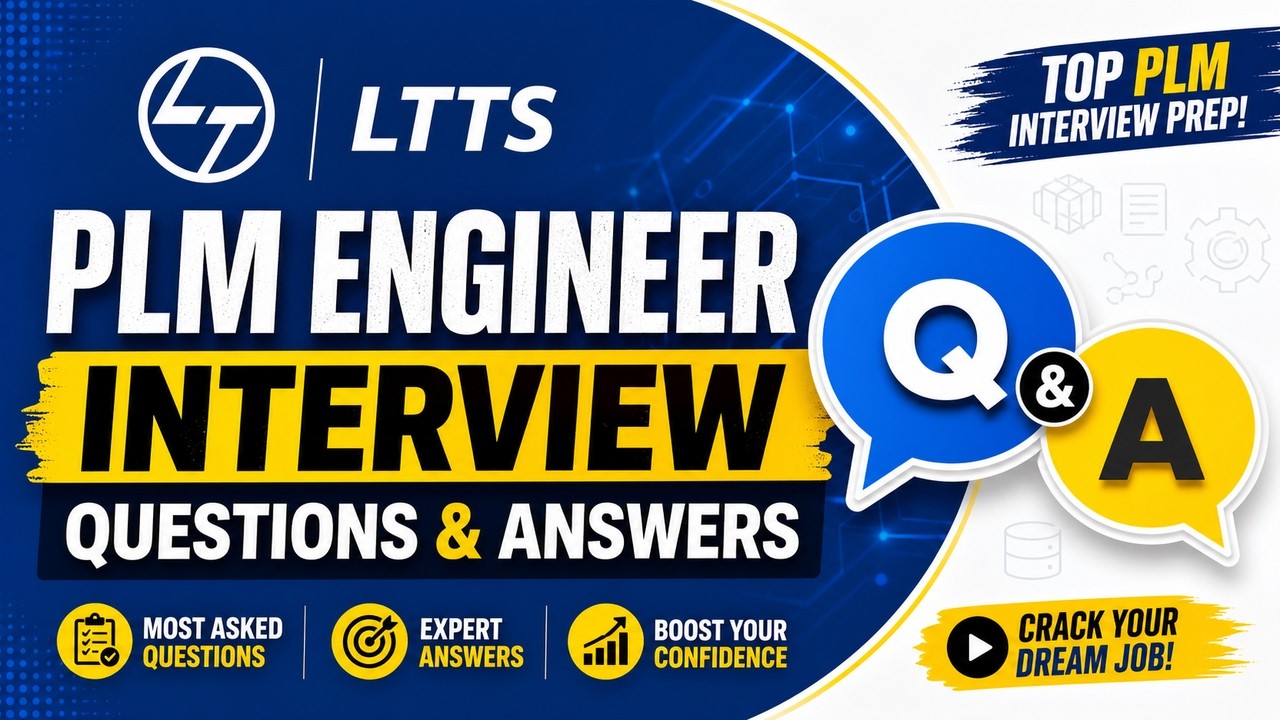
Mastering the LTTS PLM Engineer Interview: Top Questions for Navigating a PLM System

online engineering degree/engineering degree online/online engineering courses/engineering technology online/engineering courses online/engineering technician degree online/online engineering technology/electronic engineering online
engineering information technology
Mastering the LTTS PLM Engineer Interview: Top Questions for Navigating a PLM System

Mastering the LTTS PLM Engineer Interview: Top Questions for Navigating a PLM System

This article provides an in-depth exploration of PLM system, covering foundational concepts, practical applications, and engineering insights.

Landing a role as a PLM Engineer at L&T Technology Services (LTTS) is a significant milestone for any engineering professional. As a global leader in engineering and R&D services, LTTS looks for candidates who possess not only technical proficiency but also a strategic understanding of how a PLM system integrates into the broader manufacturing and design landscape.

If you are currently preparing for an interview, this guide breaks down the essential concepts and questions you need to master to stand out from the competition.

Why LTTS Values PLM Expertise

LTTS works with diverse industries, from automotive to aerospace. In these sectors, the ability to manage data across a product's entire lifecycle is critical. Interviewers will be looking for your hands-on experience in configuring, customizing, and maintaining a PLM system to ensure seamless collaboration between multidisciplinary teams.

Essential Interview Questions and Themes

To help you prepare, we have categorized the most common questions into three main pillars:

1. Technical Architecture and Configuration
Expect questions regarding the specific software stacks you have worked with (such as Teamcenter, Windchill, or Enovia). An interviewer might ask: "How do you optimize the performance of a PLM system when dealing with large-scale CAD data?" Be prepared to discuss server-side configurations and client-side caching.

2. Data Migration and Integration
Moving data from legacy systems is a common challenge. You may be asked about your experience with ETL (Extract, Transform, Load) processes. Focus your answers on data integrity and how you minimize downtime during system transitions.

3. Business Logic and Workflow Design
LTTS wants engineers who understand the "why" behind the "how." You should be ready to explain how you design workflows for Change Management or Bill of Materials (BOM) management that align with specific business goals.

Success Tips for the Big Day

  • Be Specific: Instead of saying you "managed data," explain how you improved data retrieval speeds or reduced errors in the release cycle.
  • Stay Updated: Mention recent trends like Digital Twins or Cloud-based PLM solutions to show you are forward-thinking.
  • Problem-Solving Mindset: When asked about a challenge, use the STAR method (Situation, Task, Action, Result) to demonstrate your analytical skills.

Preparing for an LTTS interview requires a blend of technical knowledge and process-oriented thinking. By focusing on these core areas, you will demonstrate the expertise necessary to manage a complex enterprise environment effectively. Good luck!

Visual Insights & Illustrations

PLM system
PLM system
PLM system

How Long Does It Take to Implement a Food and Beverage PLM System?

online engineering degree/engineering degree online/online engineering courses/engineering technology online/engineering courses online/engineering technician degree online/online engineering technology/electronic engineering online
engineering information technology
How Long Does It Take to Implement a Food and Beverage PLM System?

How Long Does It Take to Implement a Food and Beverage PLM System?

This article provides an in-depth exploration of PLM system, covering foundational concepts, practical applications, and engineering insights.

In the fast-moving food and beverage industry, speed to market, regulatory compliance, and product quality are critical to staying competitive. Implementing a modern PLM system (Product Lifecycle Management) is a transformative move that helps brands streamline recipe management, centralize supplier data, and accelerate product innovation. However, one crucial question always arises during executive planning: How long does the implementation process actually take?

The Standard Timeline: 8 to 12 Months

From contract signature to the initial go-live phase, deploying a dedicated PLM system in the food and beverage sector typically takes 8 to 12 months.

While this timeframe may vary depending on the size of your organization, it represents a realistic window for integrating complex software with intricate supply chain workflows, formulation databases, and compliance requirements.

Key Stages of the Implementation Journey

A successful rollout requires a structured approach to ensure long-term efficiency and user adoption. The process generally moves through four core phases:

  1. Discovery and Alignment: Defining business requirements, key performance indicators (KPIs), and technical architecture.
  2. Data Cleansing and Migration: Gathering, cleaning, and transferring legacy raw material specs, recipes, and supplier documentation.
  3. Configuration and Integration: Tailoring the platform to fit your specific R&D and quality assurance workflows while connecting it with existing enterprise tools (like ERP systems).
  4. Testing and Onboarding: Conducting thorough user acceptance testing (UAT) and training key stakeholders to ensure high adoption rates.

Factors That Impact Your Implementation Speed

While the 8-to-12-month standard is a reliable benchmark, several variables can influence your total project duration:

  • Data Quality: Pre-cleansed, well-organized data accelerates migration significantly.
  • Project Scope: Opting for a phased rollout focusing on core functionality first can lead to a quicker initial launch.
  • Resource Allocation: Having dedicated internal project managers and executive champions helps keep milestones on schedule.

Conclusion

Investing in product lifecycle management software is a long-term strategy for operational excellence. By understanding realistic timeline expectations and dedicating the right resources early on, your business ensures a seamless transition that maximizes ROI from your PLM system, setting the stage for faster, safer product launches.

Visual Insights & Illustrations

PLM system
PLM system
PLM system