Showing posts with label Career Advice. Show all posts

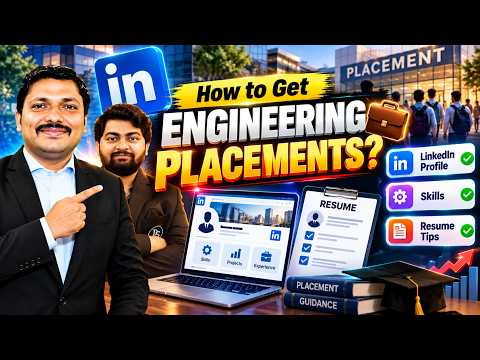
How Professional Engineering Education and Smart Prep Guarantee Placement Success

...

Navigating campus placements can feel overwhelming for many engineering students. While classroom learning forms the foundation, landing a top job offer requires a strategic approach that goes beyond traditional textbooks. Today, high-quality professional engineering education emphasizes holistic growth—combining core technical expertise, practical skills, and personal branding to help students transition seamlessly into high-paying corporate roles.

1. Optimize Your Resume and LinkedIn Profile

Your resume and LinkedIn profile serve as your digital handshake with prospective recruiters. To make a strong first impression: * Tailor Your Resume: Highlight hands-on projects, internships, and technical certifications. Keep the formatting clean and focus on quantifiable achievements rather than just listing basic course responsibilities. * Build a Standout LinkedIn Profile: Connect with industry professionals, share updates about your engineering projects, and actively follow target companies. An optimized LinkedIn presence functions as a 24/7 dynamic resume.

2. Focus on In-Demand Technical and Soft Skills

Recruiters actively seek candidates who can solve real-world industry challenges from day one. Modern professional engineering education programs encourage students to look beyond standard syllabi to master trending software tools, programming languages, and practical applications.

However, technical mastery alone isn't enough. You must also cultivate key soft skills: * Communication: Express complex technical ideas clearly and concisely. * Problem-Solving: Demonstrate analytical, step-by-step thinking during interview technical rounds. * Teamwork: Show evidence of effective collaboration through group projects or extracurricular activities.

3. Prepare Strategically for Technical and HR Rounds

Success in placement drives comes down to targeted preparation. Consistently practice mock technical interviews, review fundamental engineering concepts, and participate in coding or design challenges. Staying updated with emerging technology trends through specialized professional engineering education resources gives job seekers a distinct competitive advantage during group discussions and manager interviews.

By crafting a compelling resume, upgrading your technical skill set, and approaching interviews with confidence, you will position yourself for long-term success in the engineering industry.

How to Build a Job-Winning Engineering Design Portfolio in Just One Week

...

Landing a high-profile role at a cutting-edge company like Sarvam AI often feels like a marathon. Many designers and engineers spend months agonizing over every pixel and case study. However, I managed to build my entire portfolio from scratch in just seven days—and it landed me the job. If you are looking to accelerate your career, the secret lies in speed, clarity, and demonstrating your problem-solving process.

The "MVP" Approach to Portfolio Design

When time is of the essence, you cannot afford to build a monument to your ego. Instead, you must treat your portfolio as a Minimum Viable Product (MVP). The goal of a successful engineering design portfolio is to communicate your value proposition to recruiters as quickly as possible.

I focused on selecting my top three projects that showcased a diverse range of skills. Rather than documenting every minor detail, I highlighted the core engineering challenges I faced and the specific solutions I implemented. This focused approach ensures that a hiring manager can understand your technical depth within a two-minute skim.

Structure Over Aesthetics

While visual appeal is important, the narrative structure is what truly converts an interview invite into a job offer. Every project in your engineering design portfolio should follow a logical flow: 1. The Problem: What specific technical or user challenge were you solving? 2. The Constraints: What were the limitations (time, budget, or tech stack)? 3. The Iteration: Show your "messy" middle—the prototypes that failed and the adjustments you made. 4. The Result: Use data or testimonials to prove the project was a success.

Speed is a Competitive Advantage

Designing a portfolio in a week forces you to make executive decisions. It prevents the "perfectionism paralysis" that keeps many talented creators unemployed. By using streamlined tools and focused case studies, I was able to present a clean, professional, and functional engineering design portfolio to Sarvam AI before the competition even finished their first drafts.

If you are ready to stop procrastinating and start getting hired, follow this walkthrough of my one-week sprint. Your dream job is waiting—you just need the right framework to show them what you’re capable of.

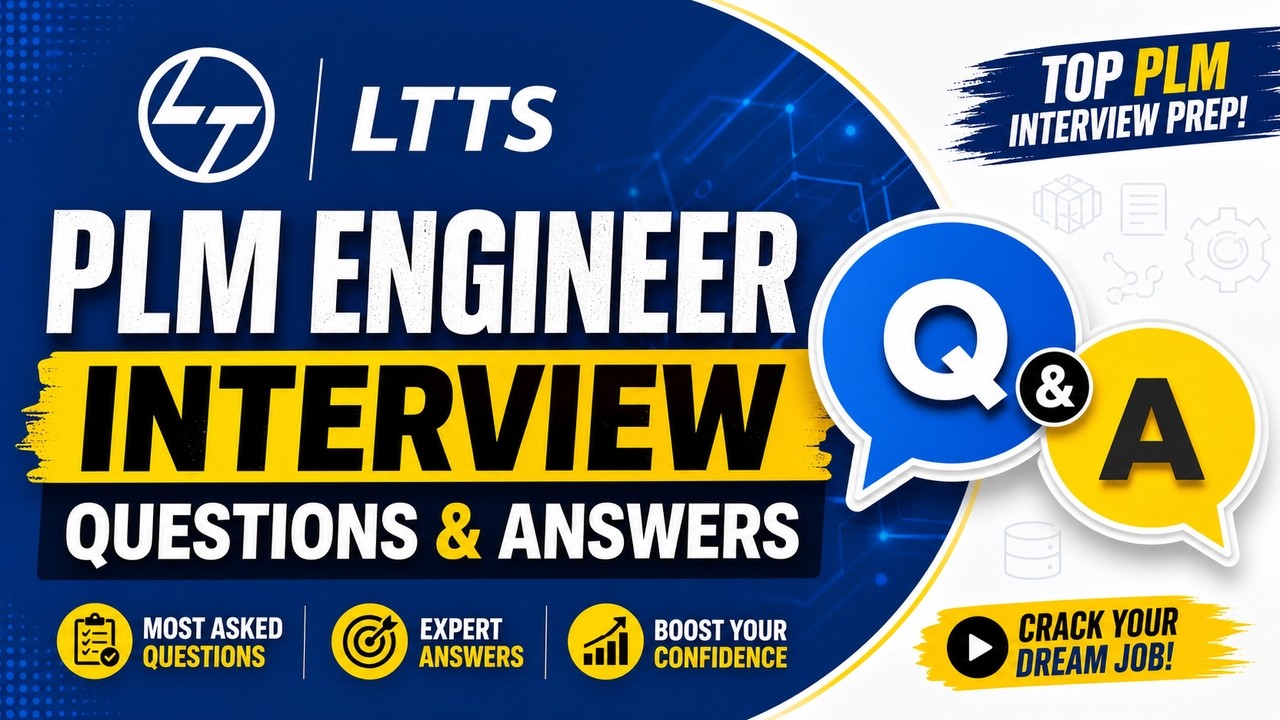
Mastering the LTTS PLM Engineer Interview: Top Questions for Navigating a PLM System

...
engineering information technology
Mastering the LTTS PLM Engineer Interview: Top Questions for Navigating a PLM System

Mastering the LTTS PLM Engineer Interview: Top Questions for Navigating a PLM System

This article provides an in-depth exploration of PLM system, covering foundational concepts, practical applications, and engineering insights.

Landing a role as a PLM Engineer at L&T Technology Services (LTTS) is a significant milestone for any engineering professional. As a global leader in engineering and R&D services, LTTS looks for candidates who possess not only technical proficiency but also a strategic understanding of how a PLM system integrates into the broader manufacturing and design landscape.

If you are currently preparing for an interview, this guide breaks down the essential concepts and questions you need to master to stand out from the competition.

Why LTTS Values PLM Expertise

LTTS works with diverse industries, from automotive to aerospace. In these sectors, the ability to manage data across a product's entire lifecycle is critical. Interviewers will be looking for your hands-on experience in configuring, customizing, and maintaining a PLM system to ensure seamless collaboration between multidisciplinary teams.

Essential Interview Questions and Themes

To help you prepare, we have categorized the most common questions into three main pillars:

1. Technical Architecture and Configuration
Expect questions regarding the specific software stacks you have worked with (such as Teamcenter, Windchill, or Enovia). An interviewer might ask: "How do you optimize the performance of a PLM system when dealing with large-scale CAD data?" Be prepared to discuss server-side configurations and client-side caching.

2. Data Migration and Integration
Moving data from legacy systems is a common challenge. You may be asked about your experience with ETL (Extract, Transform, Load) processes. Focus your answers on data integrity and how you minimize downtime during system transitions.

3. Business Logic and Workflow Design
LTTS wants engineers who understand the "why" behind the "how." You should be ready to explain how you design workflows for Change Management or Bill of Materials (BOM) management that align with specific business goals.

Success Tips for the Big Day

  • Be Specific: Instead of saying you "managed data," explain how you improved data retrieval speeds or reduced errors in the release cycle.
  • Stay Updated: Mention recent trends like Digital Twins or Cloud-based PLM solutions to show you are forward-thinking.
  • Problem-Solving Mindset: When asked about a challenge, use the STAR method (Situation, Task, Action, Result) to demonstrate your analytical skills.

Preparing for an LTTS interview requires a blend of technical knowledge and process-oriented thinking. By focusing on these core areas, you will demonstrate the expertise necessary to manage a complex enterprise environment effectively. Good luck!

Visual Insights & Illustrations

PLM system
PLM system
PLM system

Unlock High-Paying Data Engineering Roles with This Ultimate Interview Bundle

...
engineering information technology
Unlock High-Paying Data Engineering Roles with This Ultimate Interview Bundle

Unlock High-Paying Data Engineering Roles with This Ultimate Interview Bundle

This article provides an in-depth exploration of Data engineering, covering foundational concepts, practical applications, and engineering insights.

The modern tech landscape is evolving rapidly, and the demand for skilled data professionals has never been higher. If you are looking to advance your career and land a high-paying role, mastering both technical skills and interview strategies is essential. Data engineering continues to be one of the most lucrative and sought-after career paths in tech today, but standing out in a crowded applicant pool requires a proven, data-backed approach.

Lessons Learned From 10,000 Monthly Applications

Navigating job boards and endless interview rounds can feel overwhelming. Many candidates spend months practicing generic coding challenges without understanding what hiring managers are actually looking for in today's competitive market.

To solve this problem, Data Engineer Academy analyzed real-world results from over 10,000 job applications submitted monthly on behalf of clients. By examining hiring patterns, candidate feedback, and offer outcomes, they identified the exact frameworks that lead to successful job placements.

What Is Inside the Ultimate Interview Bundle?

Rather than relying on outdated advice, job seekers can now access a free interview bundle built entirely on real-market testing. This comprehensive resource is designed specifically to help candidates excel throughout every stage of the hiring pipeline. Key highlights include:

  • ATS-Optimized Resume Formats: Templates proven to pass recruiter screeners and catch the eye of hiring managers.
  • High-Frequency Technical Questions: The actual technical prompts currently being asked by top companies hiring for data engineering positions.
  • Behavioral Frameworks: Practical methods to articulate your project impact, system design choices, and leadership capabilities clearly.
  • Salary Negotiation Tactics: Proven approaches to help you secure higher base salaries and better overall compensation packages.

Step Into Your Next High-Paying Role

Landing a top-tier position isn't just about technical expertise; it’s about presenting your experience effectively when it matters most. Whether you are transitioning into the field or looking to level up your current seniority, utilizing real-world job search insights will give you a major competitive edge.

By leveraging strategies derived from thousands of successful applications, you can demystify the hiring process and fast-track your success in data engineering. Equip yourself with the right tools today and take the next big step in your career.

Visual Insights & Illustrations

Data engineering
Data engineering
Data engineering