Showing posts with label Career Guidance. Show all posts

The Expanding Scope of Environmental Engineering Solutions in the Private Sector

...

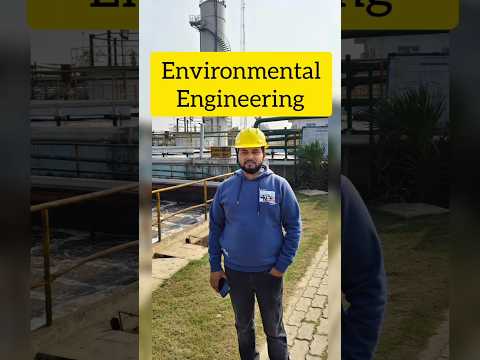
As global industries shift toward sustainable practices, the demand for green talent has reached an all-time high. Businesses are no longer viewing eco-friendly compliance as a mere legal requirement; it is now a core strategic goal. At the heart of this green transformation lies a booming field that offers both impactful work and highly lucrative career opportunities: environmental engineering.

The Private Sector Demand for Green Expertise

Today’s corporate landscape faces unprecedented pressure to reduce carbon footprints, manage industrial waste, and adhere to strict ESG (Environmental, Social, and Governance) standards. To navigate these complex challenges, corporate giants and growing firms alike rely heavily on robust environmental engineering solutions. From manufacturing plants and real estate developers to tech enterprises, top-tier companies actively seek skilled professionals who can design sustainable infrastructure, manage water resources, and optimize energy efficiency.

Diverse Roles and High-Paying Packages

The private sector offers a wide range of rewarding career paths for environmental engineers. Some of the most sought-after positions include:

  • Environmental Health and Safety (EHS) Managers: Ensuring workplace safety and environmental compliance.
  • Sustainability Consultants: Advising businesses on carbon reduction and eco-friendly operations.
  • Water Resource & Waste Management Engineers: Designing advanced treatment and recycling systems.

Because these roles directly shield companies from costly regulatory fines and enhance brand reputation, private organizations are offering highly competitive salary packages. Performance incentives, rapid career progression, and global project opportunities make the private sector exceptionally attractive for modern engineers.

A Future-Proof Career Choice

The scope of this field continues to widen as investments in clean technology and sustainable infrastructure surge. Organizations that adopt advanced environmental engineering solutions consistently gain a market advantage, ensuring high demand for professionals in this niche.

Whether you are a student exploring engineering disciplines or a seasoned professional considering a transition, entering the environmental engineering sector allows you to enjoy financial security while driving positive, real-world change.

Breaking Into Engineering IT: How One Apprentice Became a Full-Time DevOps Engineer

...

Transitioning into a high-demand tech role doesn't always require decades of experience or a traditional four-year degree. The inspiring story of Amin, who landed a permanent DevOps Engineer position before even completing his software testing apprenticeship, proves that strategic career planning and targeted upskilling can yield rapid success.

The Fast-Track Path to DevOps Success

Amin began his journey like many tech aspirants—in an entry-level apprenticeship focused on software quality assurance and testing. However, he quickly recognized that the modern software delivery lifecycle demands cross-functional expertise. By actively seeking out cloud architecture, automation toolsets, and continuous deployment pipelines, Amin carved out a unique space for himself within the fast-growing field of engineering IT.

Rather than waiting for his apprenticeship program to officially conclude, he proactively applied his newly acquired skills to real-world infrastructure challenges. This initiative caught the attention of team leadership, ultimately resulting in a full-time, permanent DevOps offer well ahead of schedule.

Essential Strategies for Accelerating Your Tech Career

If you are looking to advance your tech career and land a highly sought-after DevOps role within modern engineering IT, consider incorporating these key tactics into your professional routine:

  • Master Core Automation Tools: Build proficiency in essential technologies such as Docker, Kubernetes, Terraform, and CI/CD platforms like GitHub Actions or Jenkins.
  • Understand Cloud Ecosystems: Gain practical, hands-on experience with leading cloud providers such as AWS, Microsoft Azure, or Google Cloud Platform.
  • Bridge Testing and Operations: If you come from a QA background, leverage your knowledge to integrate automated security and performance tests directly into deployment pipelines.
  • Build a Practical Portfolio: Document your infrastructure-as-code projects publicly to demonstrate your practical capabilities to future employers.

Final Thoughts

Amin’s transition highlights a crucial lesson for modern professionals: hands-on capabilities and proactive learning far outweigh waiting for dynamic credentials. Whether you are currently an apprentice, a test analyst, or a junior developer, continuously expanding your skill set is the most reliable way to unlock higher-paying roles and thrive in the competitive landscape of engineering IT.

Engineering IT
Engineering IT