Showing posts with label Sustainability. Show all posts

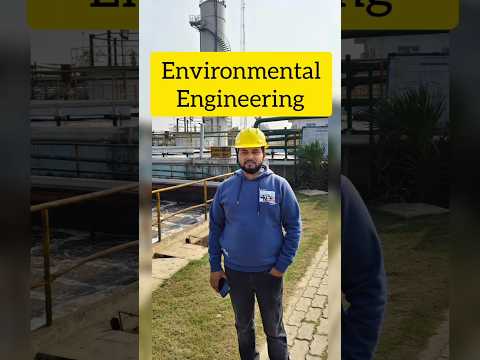
The Expanding Scope of Environmental Engineering Solutions in the Private Sector

...

As global industries shift toward sustainable practices, the demand for green talent has reached an all-time high. Businesses are no longer viewing eco-friendly compliance as a mere legal requirement; it is now a core strategic goal. At the heart of this green transformation lies a booming field that offers both impactful work and highly lucrative career opportunities: environmental engineering.

The Private Sector Demand for Green Expertise

Today’s corporate landscape faces unprecedented pressure to reduce carbon footprints, manage industrial waste, and adhere to strict ESG (Environmental, Social, and Governance) standards. To navigate these complex challenges, corporate giants and growing firms alike rely heavily on robust environmental engineering solutions. From manufacturing plants and real estate developers to tech enterprises, top-tier companies actively seek skilled professionals who can design sustainable infrastructure, manage water resources, and optimize energy efficiency.

Diverse Roles and High-Paying Packages

The private sector offers a wide range of rewarding career paths for environmental engineers. Some of the most sought-after positions include:

  • Environmental Health and Safety (EHS) Managers: Ensuring workplace safety and environmental compliance.
  • Sustainability Consultants: Advising businesses on carbon reduction and eco-friendly operations.
  • Water Resource & Waste Management Engineers: Designing advanced treatment and recycling systems.

Because these roles directly shield companies from costly regulatory fines and enhance brand reputation, private organizations are offering highly competitive salary packages. Performance incentives, rapid career progression, and global project opportunities make the private sector exceptionally attractive for modern engineers.

A Future-Proof Career Choice

The scope of this field continues to widen as investments in clean technology and sustainable infrastructure surge. Organizations that adopt advanced environmental engineering solutions consistently gain a market advantage, ensuring high demand for professionals in this niche.

Whether you are a student exploring engineering disciplines or a seasoned professional considering a transition, entering the environmental engineering sector allows you to enjoy financial security while driving positive, real-world change.

The Future of Substance: A Strategic Approach to Long-Term Material Innovation for Sustainable Growth

...

In an era defined by rapid technological shifts and environmental challenges, a robust Long-Term Material Innovation Strategy is no longer optional—it is a competitive necessity. Companies that prioritize advanced material science today are the ones that will lead the markets of tomorrow.

The Core Pillars of Material Strategy

Successful innovation requires a balance between theoretical research and practical application. To build a future-proof roadmap, organizations must focus on three primary pillars:

  • Sustainability and Circularity: Transitioning from linear consumption to materials that can be recycled or upcycled indefinitely.
  • Digital Transformation (Materials Informatics): Leveraging AI and big data to predict material properties and accelerate the R&D strategy.
  • Scalability: Ensuring that laboratory breakthroughs can be manufactured at a commercial scale efficiently.

Integrating the Innovation Lifecycle

The Material Science landscape is evolving. By adopting a long-term lens, firms can move beyond incremental improvements. This involves investing in "deep tech" materials—such as graphene, advanced polymers, or bio-based composites—that offer superior performance and lower carbon footprints.

"True innovation occurs at the intersection of unmet market needs and the fundamental properties of matter."

Conclusion

A strategic Approach to Long-Term Material Innovation ensures that businesses remain resilient. By aligning material development with global sustainability goals, industries can unlock new value chains and drive meaningful change across the globe.

The Green Alchemist: A Strategic Approach to Climate-Driven Material Innovation

...

Exploring how cutting-edge material science is pivoting to solve the global climate crisis.

As the world faces unprecedented environmental challenges, the shift toward climate-driven material innovation has become a necessity rather than a choice. This approach focuses on developing new substances that are not only high-performing but also leave a minimal carbon footprint throughout their lifecycle.

The Core Pillars of Sustainable Material Development

To achieve true eco-friendly innovation, researchers and industries are adopting a multi-faceted strategy:

  • Carbon-Negative Sources: Utilizing bio-based polymers and captured CO2 to create plastics and construction materials.
  • Circular Economy Design: Ensuring materials are 100% recyclable or biodegradable, reducing industrial waste.
  • Energy-Efficient Synthesis: Revolutionizing manufacturing processes to use less energy and renewable power sources.

The Role of AI in Material Discovery

Modern material science is now powered by Artificial Intelligence. By using machine learning algorithms, scientists can predict the properties of millions of hypothetical compounds, drastically accelerating the timeline for climate-resilient solutions. This synergy between technology and ecology is the hallmark of the next industrial revolution.

Why Climate-Driven Innovation Matters

Investing in sustainable materials is key to achieving net-zero emissions. By replacing carbon-intensive steel, cement, and plastic with innovative alternatives, we can build a future that harmonizes human progress with planetary health. The goal of climate-driven material innovation is to ensure that every product we use contributes to a cooling planet.

Conclusion: The path to a sustainable future is paved with the materials we choose today. Through green technology and innovative thinking, we can redefine our relationship with the environment.

Green Grading: Advanced Techniques for Screening Eco-Friendly Materials at Scale

...

As the global industry shifts toward a circular economy, the demand for sustainable materials has skyrocketed. However, the primary challenge for manufacturers isn't just finding these materials—it’s the ability to perform screening eco-friendly materials at scale without compromising quality or increasing costs excessively.

The Challenge of Scalability in Material Selection

Transitioning from lab-scale samples to industrial-grade production requires rigorous validation. Traditional manual testing is slow and prone to error. To stay competitive, companies are now adopting automated and data-driven screening techniques to ensure their supply chain remains truly "green."

Key Insight: Modern screening isn't just about toxicity; it’s about the entire Life Cycle Assessment (LCA) of the material from extraction to disposal.

Top Techniques for Large-Scale Screening

1. High-Throughput Digital Characterization

Utilizing AI and machine learning, researchers can now simulate how bio-based polymers or recycled composites will behave under stress. This digital twin approach allows for the rapid filtering of thousands of candidates before a physical prototype is even created.

2. Spectral Analysis and Hyperspectral Imaging

On the production line, hyperspectral sensors can identify the chemical composition of materials in real-time. This technique is essential for sorting recycled plastics or verifying the purity of organic fibers at high speeds.

3. Automated Life Cycle Impact Assessment (LCIA)

Integration of LCA software directly into the procurement ERP systems allows businesses to screen suppliers based on real-time carbon footprint data. This ensures that eco-friendly material sourcing aligns with corporate ESG goals.

Conclusion

Implementing a robust technique for screening eco-friendly materials at scale is no longer a luxury—it’s a necessity for future-proof manufacturing. By combining digital simulation with real-time physical analysis, industries can accelerate the transition to a sustainable future while maintaining high efficiency.


Are you looking to optimize your material supply chain? Stay tuned for more insights into the world of green technology and industrial innovation.

Accelerating Sustainability: Advanced Methods for Circular Economy Materials Enabled by HPC

...

The transition toward a Circular Economy requires a fundamental shift in how we design, use, and recycle materials. To achieve true sustainability, researchers are now turning to High-Performance Computing (HPC) to simulate and discover new materials that are easier to recover and reuse.

The Role of HPC in Material Innovation

Traditional trial-and-error methods in material science are time-consuming and resource-intensive. HPC-enabled material modeling allows for high-throughput screening of chemical compounds at the molecular level. By utilizing massive computational power, we can predict the durability, toxicity, and recyclability of polymers and alloys before they are ever produced in a lab.

Key Benefits of HPC for Circular Materials:

  • Molecular Dynamics: Understanding how materials break down to ensure 100% recyclability.
  • Waste-to-Resource Transformation: Simulating catalysts that convert industrial waste into high-value raw materials.
  • Reduced Carbon Footprint: Optimizing manufacturing processes to minimize energy consumption using digital twins.

Methodologies and Simulation Frameworks

Modern computational chemistry frameworks integrated with HPC clusters enable the simulation of complex "closed-loop" systems. These methods focus on bio-based alternatives and self-healing materials, which are core pillars of the circular economy. Through parallel processing, scientists can analyze years of experimental data in just a few days.

Conclusion

Implementing HPC for Circular Economy materials is no longer a luxury but a necessity. As we move towards a net-zero future, the synergy between supercomputing and sustainable material science will be the primary driver of green innovation, ensuring that the products of today become the resources of tomorrow.

Beyond Eco-Friendly: A Strategic Approach to Sustainable-by-Design Material Development

...

In the modern industrial landscape, the shift from "cleaning up" pollution to preventing it at the source has led to a revolutionary framework: Sustainable-by-Design (SbD) material development. This proactive strategy ensures that environmental, social, and economic safety are integrated from the very first spark of molecular innovation.

The Pillars of Sustainable-by-Design

Developing materials with sustainability at their core requires more than just using recycled content. It involves a holistic Life Cycle Assessment (LCA) to minimize toxicity and resource depletion before a material ever reaches the manufacturing line.

  • Safe and Sustainable Chemicals: Prioritizing non-hazardous precursors to ensure consumer safety and easier end-of-life processing.
  • Resource Efficiency: Designing materials that require less energy and water during synthesis.
  • Circular Economy Integration: Engineering materials that are inherently recyclable or biodegradable, closing the loop of the product lifecycle.

Driving Material Innovation through Data

Modern material innovation leverages AI and digital twins to predict the environmental footprint of new substances. By simulating molecular behavior, researchers can avoid "regrettable substitutions" and focus on high-performance, low-impact alternatives.

Why It Matters for the Future

The Approach to Sustainable-by-Design Material Development is not just a regulatory requirement; it is a competitive advantage. Brands that adopt these principles build deeper trust with conscious consumers and insulate themselves against future resource scarcity.

As we move toward a greener economy, the materials of tomorrow must be designed with their entire journey in mind—from the lab bench back to the earth.

The Digital Revolution in Eco-Innovation: Accelerating Green Material Discovery Digitally

...

In the face of global climate challenges, the race to find sustainable alternatives to traditional plastics and chemicals has never been more urgent. The traditional "trial and error" method in laboratories is often slow and resource-intensive. Today, the method for accelerating green material discovery digitally is transforming how researchers develop eco-friendly solutions.

The Power of Computational Materials Science

By leveraging High-Performance Computing (HPC) and advanced algorithms, scientists can now simulate molecular interactions before ever stepping into a physical lab. This digital-first approach significantly reduces waste and speeds up the development cycle of green materials.

Integrating AI and Machine Learning

Artificial Intelligence (AI) plays a pivotal role in digital material discovery. Machine learning models can analyze vast datasets of chemical properties to predict which combinations will yield the most durable and biodegradable results. This predictive modeling is a cornerstone of the modern accelerated discovery method.

  • Reduced R&D Costs: Digital simulations minimize the need for expensive physical prototypes.
  • Faster Time-to-Market: Rapid screening of candidates leads to quicker breakthroughs.
  • Data-Driven Sustainability: Precise calculations ensure that the lifecycle of the material is truly "green."

Conclusion

Transitioning to a digital workflow for material science is not just a technological upgrade; it is a necessity for a sustainable future. By accelerating green material discovery digitally, we are paving the way for a cleaner, more efficient industrial landscape.

Exploring Metallurgical Innovations for Renewable Energy: Building a Greener Future

...

Published on: January 9, 2026 | Category: Sustainable Technology

As the global shift toward decarbonization accelerates, the role of metallurgical innovations has become more critical than ever. Renewable energy systems, such as wind turbines and solar panels, rely heavily on advanced alloys and high-performance metals to ensure efficiency and longevity.

The Backbone of Wind Energy: High-Strength Alloys

Modern wind turbines are massive structures that endure extreme environmental stress. Recent breakthroughs in metallurgy have led to the development of high-strength, fatigue-resistant steel and lightweight aluminum alloys. These materials allow for larger blades and taller towers, significantly increasing energy capture in offshore environments.

Solar Power and Conductive Material Efficiency

In the photovoltaic (PV) sector, innovations are focused on improving the conductivity and durability of silicon-metal interfaces. The integration of silver-alternative alloys and corrosion-resistant coatings ensures that solar panels maintain peak performance for over 25 years, reducing the total cost of renewable energy.

Battery Storage: The New Frontier for Metals

The transition to renewable energy is inseparable from energy storage. Metallurgists are now perfecting lithium-metal anodes and solid-state electrolyte interfaces. These innovations promise batteries with higher energy density and faster charging cycles, solving the intermittency challenges of sun and wind power.

Conclusion

The synergy between metallurgy and clean energy is the key to a sustainable planet. By investing in innovative material science, we are not just building machines; we are forging the foundation of a carbon-neutral civilization.

Metallurgy, Renewable Energy, Green Tech, Material Science, Sustainability, Innovation, Clean Energy 2026

The Sustainability Impact of Modern Metallurgy: Shaping a Greener Future

...

As the global demand for infrastructure and technology rises, the role of modern metallurgy has shifted from simple metal production to a cornerstone of sustainable development. Today, the metallurgical industry is undergoing a massive transformation to reduce its environmental footprint while supporting the world's transition to clean energy.

1. Decarbonizing the Metal Industry

One of the most significant sustainability impacts is the reduction of carbon emissions. Traditional smelting processes are being replaced by "Green Steel" initiatives and hydrogen-based reduction. By utilizing renewable energy sources, modern metallurgy is proving that heavy industry can exist without high carbon intensity.

2. The Power of the Circular Economy

Metals are uniquely sustainable because they are infinitely recyclable. Sustainable metallurgy focuses on the circular economy, where scrap metal is efficiently recovered and re-processed. This significantly lowers energy consumption compared to mining raw ores, preserving natural resources for future generations.

3. Lightweighting for Energy Efficiency

Innovation in alloy development is a key driver of industrial sustainability. Modern metallurgical techniques allow for the creation of high-strength, lightweight alloys. These materials are essential for the electric vehicle (EV) industry and aerospace, as lighter vehicles require less energy to operate, directly reducing global fuel consumption.

"Sustainability in metallurgy is not just about producing metal; it's about engineering the future of our planet."

4. Reducing Waste through Advanced Processing

New extraction methods are minimizing "tailings" and hazardous waste. By implementing eco-friendly metallurgical processes, companies can now extract valuable minerals from low-grade ores and industrial by-products, turning potential waste into valuable resources.


Conclusion

The sustainability impact of modern metallurgy is profound. Through carbon reduction, enhanced recycling, and material innovation, the industry is no longer a problem for the environment—it is a vital part of the solution. As we move toward 2030, green metallurgy will continue to be the backbone of a sustainable global economy.

Sustainability, Metallurgy, Green Technology, Circular Economy, Modern Engineering, Industrial Innovation

The Impact of Metal Recycling on Global Industries

...

The global industrial landscape is undergoing a massive transformation. As natural resources dwindle and environmental concerns peak, metal recycling has emerged as a cornerstone of modern industrial strategy. From automotive to construction, the shift toward a circular economy is no longer optional—it is essential for survival.

1. Enhancing Supply Chain Resilience

One of the primary impacts of recycling is the reduction of dependency on primary mining. By reintegrating scrap metal into the production cycle, industries can mitigate risks associated with volatile raw material prices and geopolitical tensions. This creates a more stable sustainable manufacturing environment.

2. Drastic Energy Savings and Carbon Reduction

Recycling metals is significantly more energy-efficient than refining virgin ores. For instance, recycling aluminum saves up to 95% of the energy required for primary production. This massive reduction in energy consumption directly translates to lower greenhouse gas emissions, helping global industries meet their carbon neutrality goals.

3. Economic Growth and Job Creation

The metal recycling sector is a powerful economic engine. It fosters innovation in sorting technologies and creates thousands of jobs in collection, processing, and distribution. By valuing waste as a resource, the global metal industry is driving a new wave of "green-collar" employment.

Conclusion

The impact of metal recycling on global industries is profound and multi-faceted. It bridges the gap between industrial growth and environmental stewardship. As we move forward, the integration of recycled metals will continue to define the efficiency and ethics of global trade and production.

Metal Recycling, Sustainability, Global Industry, Circular Economy, Green Technology, Manufacturing, Environment