
Showing posts with label Code Review. Show all posts

AI Code Bottlenecks: How CTOs Master Engineering System Repair

...

AI coding assistants have revolutionized software development, allowing engineers to generate code faster than ever before. However, this sudden explosion in output has exposed a glaring flaw in modern tech infrastructure: while writing code has accelerated, the mechanisms for reviewing, testing, and deploying it remain stuck in the past. To maintain velocity without compromising software quality, forward-thinking tech leaders are prioritizing a comprehensive engineering system repair.

The AI Code Review Dilemma

The widespread adoption of AI tools has created a massive imbalance in the software development lifecycle. Developers can draft complex pull requests in minutes, but human reviewers are quickly inundated with a deluge of code that requires meticulous auditing.

This mismatch turns the code review phase into a severe operational bottleneck. When code sits idle waiting for approval, context switching increases, merge conflicts multiply, and time-to-market stalls. Simply generating code faster does not translate to delivering value faster if the surrounding infrastructure cannot keep pace.

Key Steps for Modern Engineering System Repair

To solve this bottleneck, engineering leaders must shift their focus from individual developer productivity to end-to-end operational flow. Executing a strategic engineering system repair involves several critical adjustments:

  • Automated Pre-Review Checks: Leveraging automated static analysis, security scanning, and AI-assisted PR summaries to handle routine checks before a human reviewer ever opens the pull request.
  • Micro-Pull Requests: Encouraging smaller, incremental code changes to make human reviews faster and reduce cognitive strain on senior engineers.
  • Smart CI/CD Pipelines: Updating testing infrastructure to run targeted, parallelized tests rather than heavy, monolithic test suites for every minor update.

Scaling Software Delivery for the Future

Fixing the code review bottleneck isn't just about adopting newer tools; it requires a fundamental evolution of team workflows and delivery standards. By investing in holistic engineering system repair, CTOs can ensure that their engineering processes match the speed of AI code generation, successfully transforming raw output into secure, high-quality software.
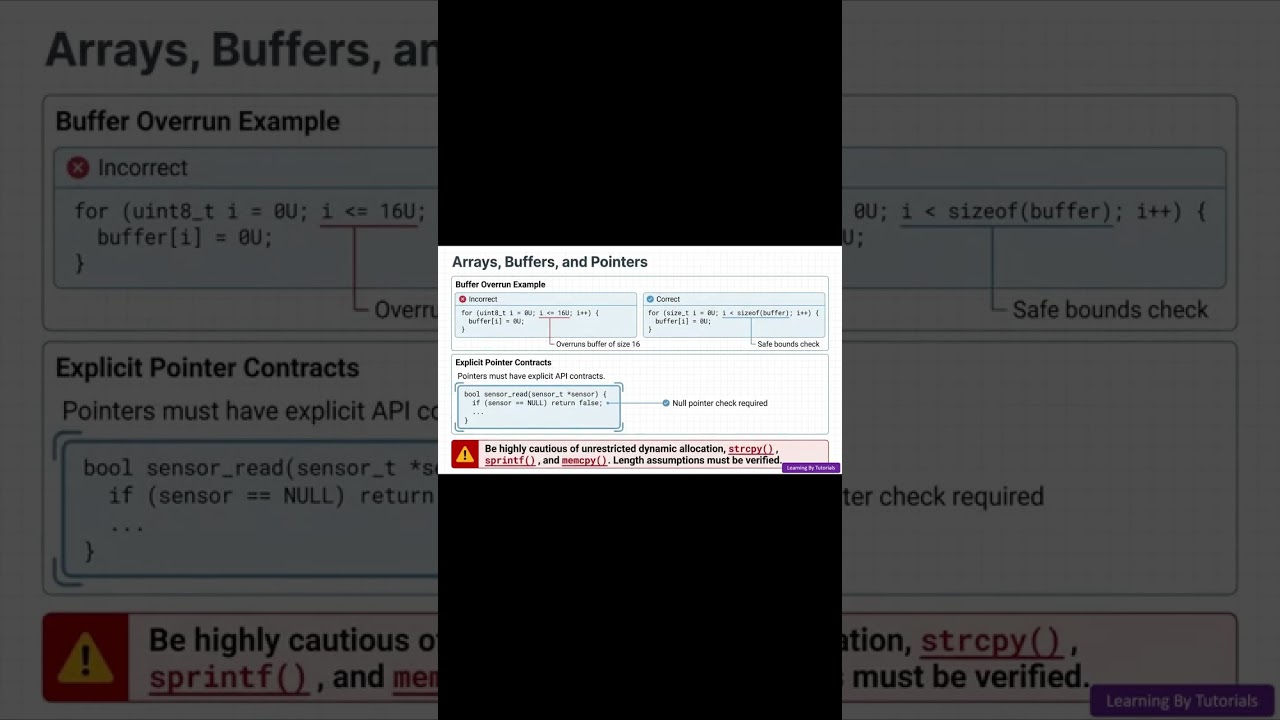
Essential Engineering Software Checklist: Streamlining Firmware Code Reviews Before Production

...
engineering information technology
Essential Engineering Software Checklist: Streamlining Firmware Code Reviews Before Production

Essential Engineering Software Checklist: Streamlining Firmware Code Reviews Before Production

This article provides an in-depth exploration of Engineering software, covering foundational concepts, practical applications, and engineering insights.

Deploying firmware to production is one of the most critical stages in embedded systems development. Unlike traditional web or desktop applications, a post-launch firmware bug can result in costly hardware recalls, safety hazards, or permanently bricked devices. To prevent these catastrophic failures, utilizing robust engineering software during the review process is essential for delivering rock-solid code.

Critical Checklist Items for Firmware Code Reviews

A practical firmware review checklist goes far beyond basic syntax and style guidelines. It focuses on the complex interactions between hardware and software, stability, and edge-case resilience. Before signing off on a production release, ensure your team verifies these key areas:

  • Memory Management & Pointers: Check for potential buffer overflows, uninitialized pointers, and unsafe dynamic memory allocations that could lead to unexpected runtime crashes.
  • Interrupt Handling & Concurrency: Verify that Interrupt Service Routines (ISRs) remain as brief as possible. Ensure proper synchronization mechanisms—such as mutexes or volatile declarations—are in place to prevent race conditions.
  • Peripheral & Error Recovery: Confirm that hardware initialization, bus timeouts (I2C, SPI, UART), and communication errors are handled gracefully rather than putting the processor into an infinite loop.
  • Watchdog Timers: Ensure the system watchdog is properly initialized and periodically refreshed to recover the microcontroller in case of deadlocks.

Streamlining Reviews with Modern Engineering Software

While manual peer reviews are indispensable for evaluating logic, combining human expertise with specialized engineering software dramatically enhances detection efficiency.

Automated static analysis tools integrated into your continuous integration (CI) pipeline can scan thousands of lines of firmware in seconds. These tools identify MISRA C/C++ rule violations, potential deadlocks, and memory leaks before peer reviews even take place. Leveraging specialized engineering software for automated checks reduces reviewer fatigue, maintains consistency across teams, and provides an auditable history for quality compliance.

Conclusion

Releasing production-ready firmware requires a disciplined, multi-layered approach. By coupling a rigorous manual checklist with modern engineering software, embedded engineers can eliminate critical bugs early, ensure hardware reliability, and ship high-performance products with confidence.

Visual Insights & Illustrations

Engineering software