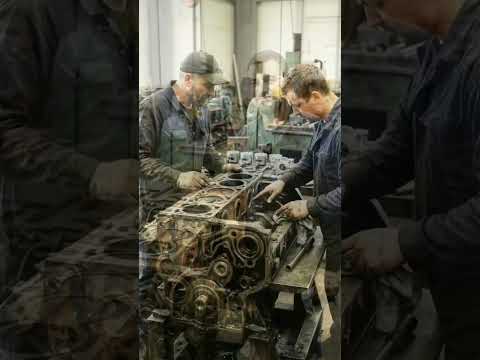
Restoring a classic vehicle or rebuilding a high-performance engine requires more than just mechanical skill; it demands a meticulous approach to cleanliness and precision. While many enthusiasts focus on the assembly phase, the foundation of a successful build lies in the preparation. In this guide, we explore the essential steps to properly cleaning an engine block, a process that mirrors the high standards found in modern Engineering IT infrastructures where precision and data-driven results are paramount.
The Importance of a Clean Foundation
An engine block is the heart of a vehicle. Over years of operation, it accumulates grease, metal shavings, and carbon deposits that can compromise the integrity of a new build. Just as Engineering IT professionals ensure that digital systems are free of "garbage data" to prevent system failures, a mechanic must ensure the physical block is free of debris to prevent catastrophic engine failure.
Step 1: Initial Debris Removal
The first step in any thorough cleaning process is clearing out the heavy lifting. Use compressed air and specialized vacuum tools to remove loose dirt, old gasket material, and metal flakes from the coolant passages and oil galleries. It is vital to reach every corner, as even a tiny particle of grit can score a bearing or clog an oil passage once the engine is running.
Step 2: Deep Scrubbing and Brushing
Once the loose debris is gone, it is time for a deep clean. Utilizing stiff nylon or brass brushes, scrub the internal and external surfaces of the block with a high-quality degreaser. Pay close attention to the cylinder walls and the main bearing saddles. For the intricate oil galleries, use long "bottle brushes" to ensure no sludge remains hidden inside. This level of detail-oriented maintenance is a core principle in Engineering IT, where every component must be verified for optimal performance before integration.
Step 3: Final Rinse and Rust Prevention
After scrubbing, rinse the block thoroughly with hot water. Once dry, immediately apply a light coating of assembly oil or WD-40 to the machined surfaces. Raw cast iron oxidizes rapidly, and "flash rust" can form within minutes.
Conclusion
Cleaning an engine block is a labor-intensive process, but it is the only way to ensure the longevity of your engineering project. By applying the same rigorous standards of cleanliness and documentation that define the world of Engineering IT, you can move forward with your build knowing that your engine's foundation is pristine and ready for peak performance. Whether you are a hobbyist or a professional, remember: a clean engine is a reliable engine.


