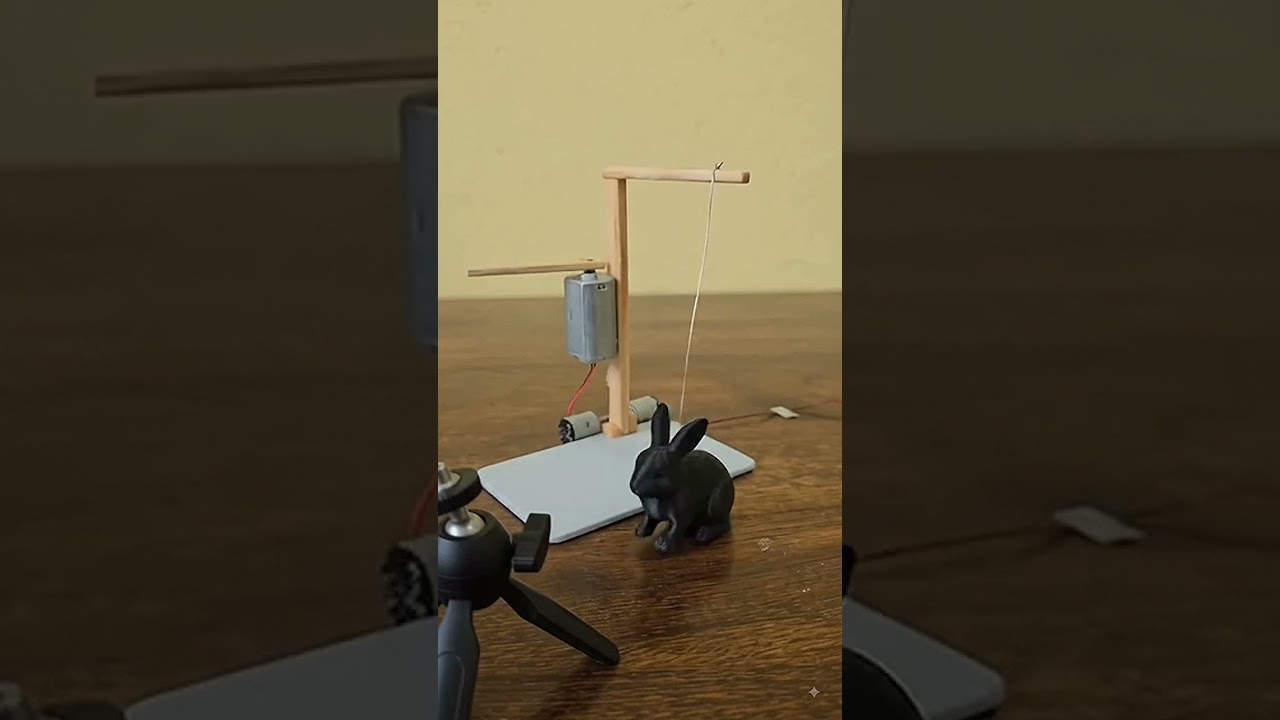
Smart DIY Hacks: How Science and Engineering IT Drive Practical Innovation
This article provides an in-depth exploration of Engineering IT, covering foundational concepts, practical applications, and engineering insights.
Whether you are a seasoned tinkerer or a curious beginner, merging science with practical design can completely transform your DIY projects. Today’s creators rely on smart techniques, creative problem-solving, and cutting-edge technology to turn ambitious concepts into working reality. By understanding the fundamentals of physical principles and applying smart tools, anyone can master high-level builds at home.
Unlocking the Power of DIY Engineering Hacks
At its core, engineering is all about solving real-world problems efficiently. When working on DIY tasks—from simple home automation hacks to complex electronic builds—applying fundamental scientific principles saves both time and resources. Simple tricks like prototyping with low-cost materials before final assembly, understanding structural loads, and applying proper thermal management can prevent common project failures.
Moreover, modern DIYers rely heavily on digital frameworks. The integration of modern Engineering IT solutions enables creators to simulate builds, program microcontrollers, and design 3D models before making a single physical cut. Leveraging digital tools transforms complex scientific concepts into actionable, step-by-step processes.
Bridging Physical Design with Digital Tools
To truly elevate your maker skills, combining digital platforms with physical craftsmanship is essential. The field of Engineering IT provides the software, cloud computing power, and analytical tools needed to run complex simulations, manage code for robotics, and optimize project workflows seamlessly.
Here are a few smart tips to optimize your next DIY project:
- Utilize Simulation Software: Before spending money on physical components, use open-source circuit or CAD simulators to test your designs digitally.
- Leverage Open-Source Tech: Tap into global developer communities for pre-built code, shared CAD files, and technical troubleshooting advice.
- Document and Iterate: Treat every build as an iterative process. Keep detailed digital logs to track code changes, document wiring schematics, and refine your design over time.
Final Thoughts
Blending hands-on science hacks with modern technology allows you to build smarter, faster, and more reliable projects. By adopting a structured methodology and embracing modern Engineering IT tools, you can take your DIY capabilities to the next level. Start small, stay curious, and keep experimenting!


