Showing posts with label Reverse Engineering. Show all posts

Transforming 3D Scans into Parametric CAD Data: Why Geomagic Design X Rules Reverse Engineering

...
engineering information technology
Transforming 3D Scans into Parametric CAD Data: Why Geomagic Design X Rules Reverse Engineering

Transforming 3D Scans into Parametric CAD Data: Why Geomagic Design X Rules Reverse Engineering

This article provides an in-depth exploration of CAD data, covering foundational concepts, practical applications, and engineering insights.

In modern manufacturing and product development, reverse engineering plays a pivotal role in recreating legacy parts, analyzing competitors, and refining physical prototypes. However, one of the biggest challenges engineers face is bridging the gap between raw 3D scan meshes and fully editable parametric models. If you have ever struggled to convert point clouds into functional geometry, you might wonder: what is truly the best reverse engineering software on the market?

The industry standard answer consistently points to Oqton's Geomagic Design X.

Bridging the Gap Between 3D Scanning and Parametric Design

3D scanners are phenomenal at capturing intricate physical details, producing millions of polygons in the form of mesh files. However, traditional computer-aided design software isn't built to handle or edit dense mesh data effectively. This is where Geomagic Design X excels.

By combining mesh processing tools with robust history-based modeling, Geomagic Design X allows users to seamlessly extract feature trees, sketches, and solid bodies from 3D scans. Instead of rebuilding models from scratch using manual measurements, engineers can generate precise, feature-based CAD data in a fraction of the time required by standard design suites.

Why Geomagic Design X Leads the Industry

What sets Geomagic Design X apart from generic modeling tools is its intelligent automation and specialized reverse engineering workflow. Key advantages include:

  • LiveTransfer Technology: Effortlessly export feature-rich CAD data directly into mainstream platforms like SolidWorks, Autodesk Inventor, PTC Creo, and Siemens NX, complete with full design history intact.
  • Accuracy Analyzer: Get real-time visual feedback comparing the original scan to your new model to ensure strict dimensional accuracy.
  • Hybrid Modeling: Combine solid geometry, complex surface modeling, and organic scan meshes into a single, streamlined workspace.

Accelerate Your Engineering Workflow

Whether you are reproducing obsolete machinery components, designing custom-fit aftermarket products, or conducting quality inspections, having clean digital files is essential. Geomagic Design X dramatically reduces engineering turnaround time by eliminating manual reconstruction guesswork.

By efficiently turning raw point clouds into fully usable CAD data, Geomagic Design X sets the benchmark for professional reverse engineering software. If your team needs to transition smoothly from physical parts to actionable 3D models, it remains the premier choice for the job.

🎬 Related Video Reference

Reverse Engineering Applications: What We Found Inside the Popular vSeeBox

...

Smart TV boxes and media streaming devices have exploded in popularity, offering users endless entertainment options at the touch of a button. Among these devices, the vSeeBox has gained significant attention in the tech community. But what is actually happening behind the scenes of this streaming hardware? To uncover the hidden mechanics, background processes, and privacy protocols of modern smart devices, tech experts often turn to specialized analytical tools. By leveraging modern reverse engineering applications, researchers can dissect the inner workings of hardware like the vSeeBox to see what it is truly hiding.

What Lies Beneath the vSeeBox Hardware and Software?

When disassembling a streaming device like the vSeeBox and analyzing its internal system, the primary goal is to understand how the hardware communicates with remote servers. Devices like these usually run modified operating systems loaded with custom launchers and pre-installed media tools.

Using specialized reverse engineering applications, developers analyze the underlying code and monitor live network traffic. This diagnostic process reveals several critical insights:

  • Data Transmission Protocols: Identifying where your streaming data is sent and verifying whether sensitive telemetry is properly encrypted.
  • Background Processes: Uncovering hidden services or resource-heavy processes running silently in the background that might impact performance.
  • Firmware Modifications: Understanding how proprietary user interfaces and custom APIs are layered over standard operating systems.

Through this deep inspection, researchers can assess whether a device operates securely or exposes users to unnecessary privacy risks.

Why Software Transparency Matters for Smart Hardware

Reverse engineering is far more than just a hobby for tech enthusiasts; it plays a vital role in cybersecurity, performance optimization, and digital transparency. As consumer smart devices become increasingly complex, end-users rarely know what hidden software dependencies exist inside their living room technology.

Ultimately, utilizing reverse engineering applications empowers security auditors and consumers alike to audit device safety, optimize system performance, and maintain privacy control. Whether you are a curious tinkerer or a cybersecurity professional, looking under the hood of devices like the vSeeBox reminds us why software transparency is essential in today's connected world.

Mastering Reverse Engineering Maintenance: From Beginner to Advanced Code Analysis

...

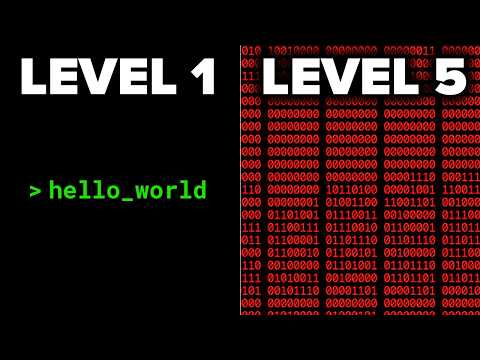
Have you ever wondered how security experts dissect complex software, track down hidden vulnerabilities, or restore legacy systems without access to original source code? Reverse engineering is the backbone of modern cybersecurity and software architecture. Whether you want to analyze malware or perform critical reverse engineering maintenance on older software systems, understanding the different levels of code analysis is essential for any technical professional.

In this guide, we break down every level of reverse engineering, from novice binary inspection to advanced kernel-level analysis.

Beginner Level: High-Level Concepts and Assembly Basics

At the entry level, reverse engineering begins with understanding how compiled code works. When a developer builds software, human-readable code is transformed into binary machine instructions. Beginners start by learning basic assembly languages (such as x86 or ARM) and experimenting with disassemblers like Ghidra or IDA Free.

At this stage, your goal is to understand control flow, register operations, and basic function calls. Acquiring this foundational knowledge is a necessary step when performing basic system diagnostics or routine reverse engineering maintenance on standalone binaries.

Intermediate Level: Dynamic Analysis and Decompilation

Moving to the intermediate stage, static analysis is paired with dynamic debugging. Instead of simply looking at static code, researchers use tools like x64dbg, GDB, and advanced decompilers to analyze software while it actively executes.

You will monitor memory allocation, system call interactions, and network traffic. Intermediate practitioners focus on tracking how applications interact with the operating system, making this stage vital for enterprise updates, patch analysis, and long-term reverse engineering maintenance for critical legacy infrastructure.

Advanced Level: Kernel Profiling, Obfuscation, and Exploitation

At the master level, reverse engineers handle protected, heavily obfuscated, or malicious code. This phase requires deep expertise in kernel-level drivers, anti-debugging mechanisms, binary packing, and hypervisor-level mechanics.

Advanced reverse engineering is used in high-stakes threat intelligence, zero-day vulnerability research, and advanced malware analysis. Engineers at this tier learn to bypass sophisticated software protection techniques to fully reveal how low-level code operates under extreme conditions.

Start Your Reverse Engineering Journey

Reverse engineering is more than just a technique—it is a critical problem-solving mindset. By mastering each level step-by-step, you gain total clarity into software internals and low-level mechanics. Start sharpening your C programming and system-level skills today to take your software engineering career to the next level!