Showing posts with label Cybersecurity. Show all posts

Safeguarding CAD Data: How Manufacturers Can Protect IP Without Slowing Down Teams

...
engineering information technology
Safeguarding CAD Data: How Manufacturers Can Protect IP Without Slowing Down Teams

Safeguarding CAD Data: How Manufacturers Can Protect IP Without Slowing Down Teams

This article provides an in-depth exploration of CAD data, covering foundational concepts, practical applications, and engineering insights.

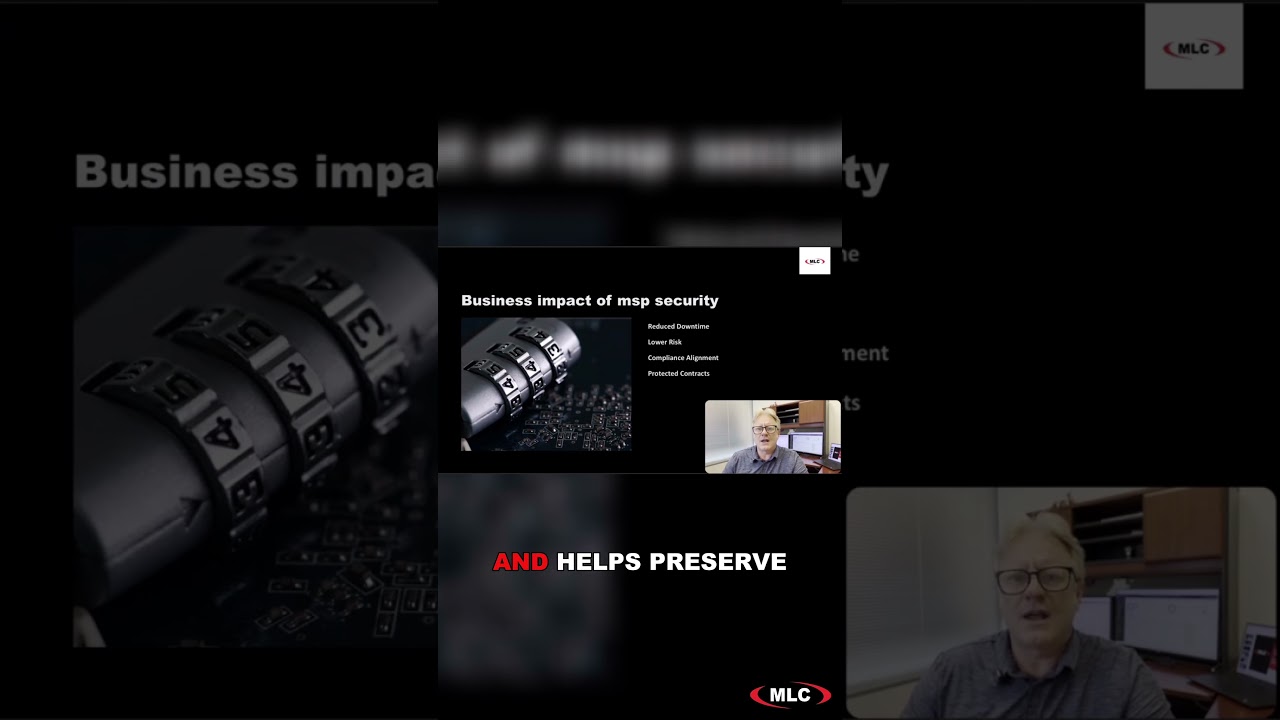
In today’s hyper-competitive manufacturing landscape, intellectual property is a company’s most valuable asset. From proprietary product designs to complex schematics, CAD data represents years of research, development, and financial investment. However, securing this sensitive engineering information poses a unique challenge: how can manufacturers protect their digital assets against modern cyber threats without creating bottlenecks for the teams that rely on them daily?

The Dilemma: Security vs. Productivity

Engineers, designers, and supply chain partners require fast, seamless access to design files to maintain product development momentum. Traditional cybersecurity approaches often implement rigid access controls and restrictive protocols. While these measures keep external threats at bay, they frequently slow down workflows, leading to frustration, missed deadlines, and unapproved "workarounds" that can actually compromise security further.

A Smarter Cybersecurity Strategy for Engineering

To bridge the gap between robust protection and operational speed, modern manufacturers are adopting tailored data management strategies. Instead of applying blanket security policies that impede work, industry leaders focus on protecting CAD data at the source—integrating security directly into Product Data Management (PDM) and Product Lifecycle Management (PLM) workflows.

By implementing granular permissions, automated encryption, and secure collaboration tools, organizations ensure that files remain secure both at rest and in transit. This allows engineers to collaborate effortlessly across global teams while strictly preventing unauthorized access or data leaks.

Key Steps to Safeguard Your Intellectual Property

  1. Implement Role-Based Access: Restrict file visibility based strictly on project roles to minimize exposure.
  2. Centralize Data Management: Utilize secure PDM/PLM platforms to track version history, audit user activity, and eliminate risk-heavy local file copies.
  3. Educate Engineering Teams: Train staff on cybersecurity best practices so safety protocols become a natural part of the design process rather than a hindrance.

Final Thoughts

Protecting your company's valuable CAD data does not have to come at the expense of productivity. By adopting a modern cybersecurity strategy tailored specifically to engineering workflows, manufacturers can defend their intellectual property while empowering their teams to innovate faster than ever.


🎬 Related Video Reference

Demystifying Reverse Engineering: A Beginner’s Guide to Engineering Software

...
engineering information technology
Demystifying Reverse Engineering: A Beginner’s Guide to Engineering Software

Demystifying Reverse Engineering: A Beginner’s Guide to Engineering Software

This article provides an in-depth exploration of Engineering software, covering foundational concepts, practical applications, and engineering insights.

Have you ever wondered how complex systems work under the hood? Whether you are trying to understand legacy code, audit security, or improve product architecture, reverse engineering is the master key to unlocking hidden design secrets. But what exactly is this process, and how does it apply to modern tech tools?

What is Reverse Engineering?

At its core, reverse engineering is the process of deconstructing an existing product, application, or system to analyze its inner workings. Instead of building a tool from a blueprint or concept drawing, you start with the finished product and work backward to extract detailed knowledge about its design, structure, and operational logic.

In the technology sector, this technique is frequently applied to complex engineering software to uncover hidden algorithms, identify software bugs, or ensure seamless integration between different platforms.

Why Reverse Engineering Matters

Reverse engineering is far more than just taking things apart—it is a vital discipline used across software engineering and cybersecurity for several key reasons:

  • Legacy System Maintenance: Organizations often rely on critical legacy engineering software whose original documentation or source code has been lost over time. Reverse engineering enables developers to understand how these tools operate so they can maintain, patch, or upgrade them.
  • Cybersecurity and Vulnerability Assessment: Security analysts routinely reverse-engineer applications and malware to detect safety flaws, understand cyber threats, and fortify systems against potential attacks.
  • Interoperability and Compatibility: Software tools rarely exist in isolation. By analyzing third-party engineering software, developer teams can create compatible plug-ins, APIs, or cross-platform extensions without needing access to the underlying source code.

The Basic Process Explained Simply

While the exact methodology depends on whether you are working with hardware or code, software reverse engineering typically follows three fundamental steps:

  1. Information Gathering: Collecting all accessible binary files, executable code, and system inputs/outputs.
  2. Decompilation and Disassembly: Translating compiled machine code back into human-readable programming logic or assembly language.
  3. Analysis and Reconstruction: Studying the data flow, mapping the underlying architecture, and documenting how the system functions.

Final Thoughts

Reverse engineering turns mysterious "black box" applications into open books. By learning how to deconstruct and analyze existing systems, developers and security experts can build safer, more efficient software while driving innovation forward.


🎬 Related Video Reference

Critical IoT Gateway Flaw: How OpenRemote 8.5 Exposes Your Edge Network

...
engineering information technology
Critical IoT Gateway Flaw: How OpenRemote 8.5 Exposes Your Edge Network

Critical IoT Gateway Flaw: How OpenRemote 8.5 Exposes Your Edge Network

This article provides an in-depth exploration of IoT gateway, covering foundational concepts, practical applications, and engineering insights.

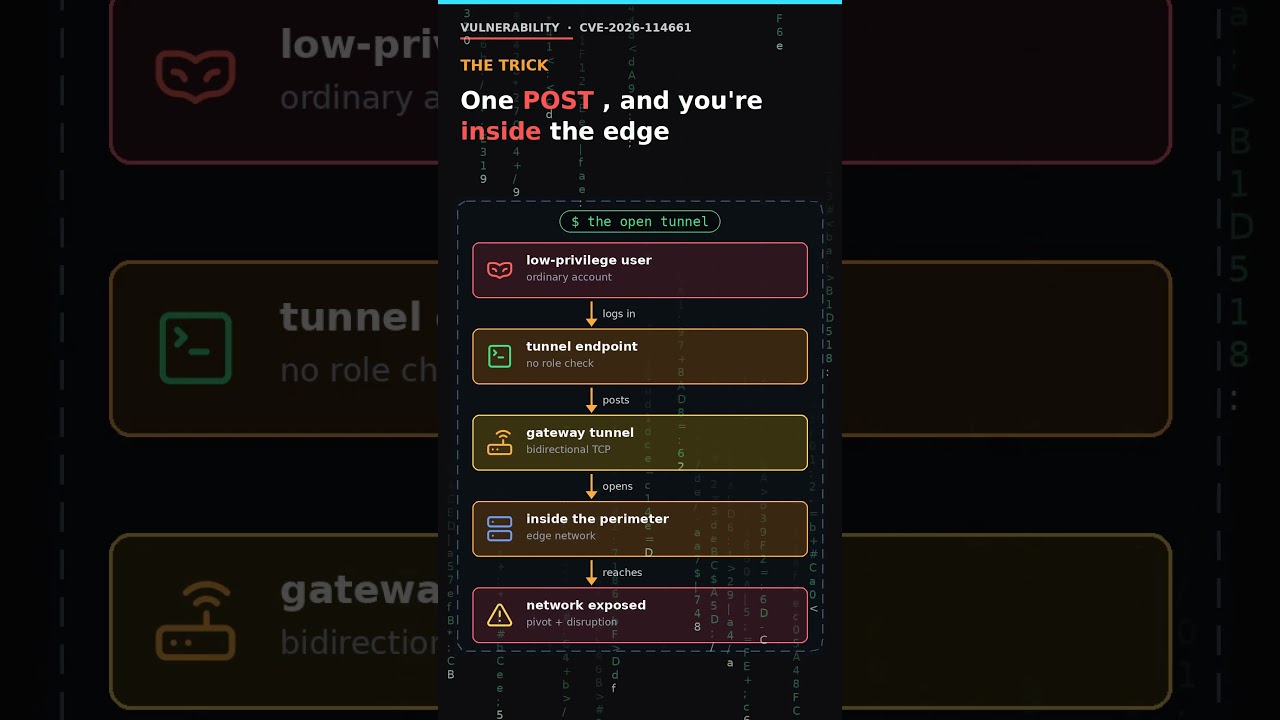
In today’s hyper-connected world, edge computing and Internet of Things ecosystems rely heavily on robust perimeter defenses. However, a recently disclosed security flaw—cataloged as CVE-2026-114661—has exposed a severe vulnerability in OpenRemote version 8.5. This critical security issue demonstrates how easily an attacker can compromise an IoT gateway and gain unauthorized access to an organization’s internal edge network.

The Danger of CVE-2026-114661 in OpenRemote 8.5

The core of the issue lies in privilege controls—or the lack thereof—within OpenRemote 8.5. Under normal security protocols, creating network tunnels into an enterprise edge infrastructure requires high-level administrative credentials and rigorous authentication checks.

With CVE-2026-114661, that security barrier breaks down completely. Any authenticated user who can log into the system—regardless of how low their privilege level is—can open gateway tunnels into the network. Because administrative rights are not required, an attacker with basic access can effortlessly bypass traditional edge protections and establish a direct connection into sensitive internal environments.

Why Unrestricted Tunneling Poses a Threat

An IoT gateway serves as the central bridge between connected smart devices, local sensors, and the broader enterprise infrastructure. When a flaw permits standard users to open network tunnels at will, the system transforms from a security shield into an entry point for malicious actors.

Once inside through an unauthorized tunnel, an adversary can:
- Pivot Laterally: Move freely across internal systems to target confidential databases or operational technology (OT).
- Exfiltrate Data: Intercept sensitive device telemetry, user credentials, or proprietary business information.
- Manipulate Connected Hardware: Disrupt smart infrastructure, industrial controls, or connected IoT endpoints.

Remediation and Best Practices

Securing your edge infrastructure against this vulnerability requires immediate, proactive action:
1. Apply Updates: Patch your OpenRemote deployment to the latest secure release to mitigate CVE-2026-114661.
2. Audit Account Privileges: Enforce the principle of least privilege across all user accounts and restrict access to essential features.
3. Implement Network Segmentation: Isolate your IoT gateway from critical core networks to limit lateral movement in the event of a breach.

Vulnerabilities like CVE-2026-114661 serve as a crucial reminder that edge security requires constant vigilance. Ensure your systems are patched, audit your user roles regularly, and keep your connected networks secure.


🎬 Related Video Reference

Reverse Engineering Applications: What We Found Inside the Popular vSeeBox

...

Smart TV boxes and media streaming devices have exploded in popularity, offering users endless entertainment options at the touch of a button. Among these devices, the vSeeBox has gained significant attention in the tech community. But what is actually happening behind the scenes of this streaming hardware? To uncover the hidden mechanics, background processes, and privacy protocols of modern smart devices, tech experts often turn to specialized analytical tools. By leveraging modern reverse engineering applications, researchers can dissect the inner workings of hardware like the vSeeBox to see what it is truly hiding.

What Lies Beneath the vSeeBox Hardware and Software?

When disassembling a streaming device like the vSeeBox and analyzing its internal system, the primary goal is to understand how the hardware communicates with remote servers. Devices like these usually run modified operating systems loaded with custom launchers and pre-installed media tools.

Using specialized reverse engineering applications, developers analyze the underlying code and monitor live network traffic. This diagnostic process reveals several critical insights:

  • Data Transmission Protocols: Identifying where your streaming data is sent and verifying whether sensitive telemetry is properly encrypted.
  • Background Processes: Uncovering hidden services or resource-heavy processes running silently in the background that might impact performance.
  • Firmware Modifications: Understanding how proprietary user interfaces and custom APIs are layered over standard operating systems.

Through this deep inspection, researchers can assess whether a device operates securely or exposes users to unnecessary privacy risks.

Why Software Transparency Matters for Smart Hardware

Reverse engineering is far more than just a hobby for tech enthusiasts; it plays a vital role in cybersecurity, performance optimization, and digital transparency. As consumer smart devices become increasingly complex, end-users rarely know what hidden software dependencies exist inside their living room technology.

Ultimately, utilizing reverse engineering applications empowers security auditors and consumers alike to audit device safety, optimize system performance, and maintain privacy control. Whether you are a curious tinkerer or a cybersecurity professional, looking under the hood of devices like the vSeeBox reminds us why software transparency is essential in today's connected world.

Mastering Reverse Engineering Maintenance: From Beginner to Advanced Code Analysis

...

Have you ever wondered how security experts dissect complex software, track down hidden vulnerabilities, or restore legacy systems without access to original source code? Reverse engineering is the backbone of modern cybersecurity and software architecture. Whether you want to analyze malware or perform critical reverse engineering maintenance on older software systems, understanding the different levels of code analysis is essential for any technical professional.

In this guide, we break down every level of reverse engineering, from novice binary inspection to advanced kernel-level analysis.

Beginner Level: High-Level Concepts and Assembly Basics

At the entry level, reverse engineering begins with understanding how compiled code works. When a developer builds software, human-readable code is transformed into binary machine instructions. Beginners start by learning basic assembly languages (such as x86 or ARM) and experimenting with disassemblers like Ghidra or IDA Free.

At this stage, your goal is to understand control flow, register operations, and basic function calls. Acquiring this foundational knowledge is a necessary step when performing basic system diagnostics or routine reverse engineering maintenance on standalone binaries.

Intermediate Level: Dynamic Analysis and Decompilation

Moving to the intermediate stage, static analysis is paired with dynamic debugging. Instead of simply looking at static code, researchers use tools like x64dbg, GDB, and advanced decompilers to analyze software while it actively executes.

You will monitor memory allocation, system call interactions, and network traffic. Intermediate practitioners focus on tracking how applications interact with the operating system, making this stage vital for enterprise updates, patch analysis, and long-term reverse engineering maintenance for critical legacy infrastructure.

Advanced Level: Kernel Profiling, Obfuscation, and Exploitation

At the master level, reverse engineers handle protected, heavily obfuscated, or malicious code. This phase requires deep expertise in kernel-level drivers, anti-debugging mechanisms, binary packing, and hypervisor-level mechanics.

Advanced reverse engineering is used in high-stakes threat intelligence, zero-day vulnerability research, and advanced malware analysis. Engineers at this tier learn to bypass sophisticated software protection techniques to fully reveal how low-level code operates under extreme conditions.

Start Your Reverse Engineering Journey

Reverse engineering is more than just a technique—it is a critical problem-solving mindset. By mastering each level step-by-step, you gain total clarity into software internals and low-level mechanics. Start sharpening your C programming and system-level skills today to take your software engineering career to the next level!

Smart Home Security 101: How to Protect Your IoT Gateway and Connected Devices

...

Every time you add a new smart speaker, security camera, or robot vacuum to your home, you enjoy unmatched convenience. However, these sleek gadgets can also open new doors for cyber threats. Most homeowners do not realize that an unsecured smart device can inadvertently act as an IoT gateway for malicious hackers seeking to breach private home networks.

Understanding the vulnerabilities of your connected home—and taking proactive steps to fix them—is essential to keeping your personal data safe.

Why Your Smart Home is a Target for Cybercriminals

Modern smart homes rely on interconnected devices to send and receive data seamlessly. While this connectivity makes everyday tasks easier, it also creates multiple entry points for attackers. If a hacker gains access to a single poorly secured device, they can move laterally across your network to target more sensitive systems, such as your personal laptops or smartphones.

In essence, a compromised smart device becomes an unauthorized IoT gateway, handing attackers access to your financial accounts, personal photos, and saved passwords.

Essential Steps to Secure Your Network

Securing your smart home does not require an advanced degree in cybersecurity. By following a few fundamental practices, you can dramatically reduce your risk:

  • Isolate Your Smart Devices: Set up a separate guest Wi-Fi network specifically for your smart home gadgets. This ensures that even if a gadget is compromised, hackers cannot easily jump to your primary devices.
  • Change Default Passwords Immediately: Many smart devices come with factory-set credentials that are publicly listed online. Always replace them with strong, unique passwords containing a mix of letters, numbers, and symbols.
  • Enable Two-Factor Authentication (2FA): Whenever available, turn on 2FA on the mobile apps used to manage your smart home gear for an extra layer of defense.
  • Keep Firmware Updated: Manufacturers regularly release updates to patch security vulnerabilities. Enable automatic updates on your router and smart appliances to stay protected.

Protect Your Digital Life Today

Your smart home should offer comfort and efficiency, not constant security headaches. By properly securing every IoT gateway on your network and adopting disciplined password management, you can build a resilient digital fortress that keeps cybercriminals out. Take a few minutes today to review your home network and safeguard what matters most.

Mastering Modern Cyber Defense: The DetectMare Guide for Engineering IT

...

As modern cyber threats become increasingly sophisticated, organizations must move beyond reactive defense strategies. Detection engineering has emerged as a vital discipline, bridging the gap between security operations and high-level Engineering IT workflows. A prime example of hands-on training in this field is the DetectMare lab on TryHackMe.

In this comprehensive guide, we break down the key concepts covered in the DetectMare walkthrough, focusing on how you can leverage Splunk, Sigma rules, and Detection-as-Code principles to fortify your organization’s defensive posture.

Understanding the DetectMare Challenge

DetectMare is a popular TryHackMe room designed to simulate real-world security incident scenarios. Rather than relying solely on perimeter defenses, the module challenges practitioners to analyze adversary behavior, hunt for malicious activity, and construct custom detection logic.

Through this walkthrough, learners gain practical experience in identifying anomalous patterns across system logs and network traffic. By analyzing threat actor techniques within an enterprise environment, security personnel and Engineering IT specialists can develop proactive monitoring mechanisms that catch intrusions early in the attack lifecycle.

Key Technical Components: Splunk, Sigma, and Detection-as-Code

The core strength of the DetectMare lab lies in its practical application of industry-standard security tools and modern technical paradigms:

  • Splunk for SIEM Analysis: Splunk serves as the central log aggregation and search engine. Navigating Splunk efficiently allows analysts to query massive datasets, correlate events, and pinpoint indicators of compromise (IOCs).
  • Sigma Rules for Universal Detections: Sigma provides a generic, vendor-agnostic format for writing log signatures. Mastering Sigma enables Engineering IT teams to create standardized detection rules that translate seamlessly across different SIEM platforms.
  • Detection-as-Code (DaC): Applying software development best practices—such as version control, automated testing, and CI/CD pipelines—to detection rules ensures that threat logic remains scalable, maintainable, and agile.

Why Detection Engineering Matters Today

Transitioning to a Detection-as-Code model allows security teams to treat detection rules with the same rigor as production software. This minimizes false positives, accelerates incident response times, and ensures your security posture evolves alongside modern enterprise environments.

Whether you are a SOC analyst, threat hunter, or security engineer, walking through labs like DetectMare is one of the most effective ways to sharpen your hands-on technical skills and stay ahead of modern threat actors.

Engineering IT

Approach to Risk Assessment in Smart Factory Systems

...

In the era of Industry 4.0, integrating IoT, AI, and automation has transformed traditional manufacturing into highly efficient ecosystems. However, these advancements introduce complex vulnerabilities. A systematic Approach to Risk Assessment in Smart Factory Systems is no longer optional; it is a critical necessity for operational resilience.

Understanding the Landscape of Smart Factory Risks

Risk assessment in a smart factory environment differs significantly from legacy systems. It requires a holistic view that combines cybersecurity, functional safety, and data integrity. The interconnected nature of Industrial Control Systems (ICS) means that a breach in one sensor can escalate into a full-scale production halt.

Step-by-Step Approach to Risk Assessment

To effectively manage threats, organizations should follow a structured methodology:

  • Asset Identification: Catalog all hardware, software, and data flows within the IIoT network.
  • Threat Modeling: Identify potential threats, ranging from cyber-attacks (malware, ransomware) to physical hardware failures.
  • Vulnerability Analysis: Scrutinize system weaknesses, such as unpatched firmware or unsecured communication protocols.
  • Impact Evaluation: Determine the potential consequences of a risk event on production downtime and worker safety.

Integrating Proactive Mitigation Strategies

A robust Smart Factory Risk Management plan involves continuous monitoring. Unlike static assessments, digital factories require real-time data analytics to detect anomalies. Implementing a Zero Trust Architecture ensures that every device and user is verified before accessing the network, drastically reducing the attack surface.

Conclusion

Adopting a proactive Approach to Risk Assessment in Smart Factory Systems allows manufacturers to embrace innovation without sacrificing security. By identifying vulnerabilities early and implementing automated defense mechanisms, businesses can ensure sustainable growth in the digital manufacturing age.

The Strategic Impact of IT Engineers on Organizational Performance

...

In today's digital era, IT engineers play a crucial role in enhancing organizational performance. Their expertise in system design, network management, and cybersecurity directly influences efficiency, innovation, and overall business success.

Driving Innovation Through Technology

IT engineers are at the forefront of implementing cutting-edge technologies such as cloud computing, artificial intelligence, and big data analytics. By leveraging these tools, organizations can optimize operations, reduce costs, and gain a competitive edge.

Ensuring Operational Efficiency

Operational efficiency is highly dependent on the skills of IT professionals. Efficient IT infrastructure management ensures seamless workflow, minimizes downtime, and enhances productivity across all departments.

Enhancing Security and Risk Management

Cybersecurity threats are a major concern for modern organizations. IT engineers develop robust security protocols and risk management strategies to protect sensitive data, ensuring business continuity and trust.

Fostering Collaboration and Communication

By implementing advanced communication platforms and collaborative tools, IT engineers facilitate effective teamwork and cross-department collaboration, which significantly improves organizational performance.

In conclusion, IT engineers are not just technical experts; they are strategic assets whose contributions directly impact an organization's growth, efficiency, and long-term success.

IT engineers, organizational performance, technology innovation, cybersecurity, operational efficiency, business growth, IT infrastructure, collaboration tools, digital transformation


Transforming IT Infrastructure into Strategic Advantage

...

In today’s fast-paced digital world, businesses must leverage their IT infrastructure as a strategic advantage. By integrating cloud computing, automation tools, and data analytics platforms, companies can optimize operations and reduce costs while driving innovation. A well-planned IT strategy not only supports daily operations but also aligns technology investments with long-term business goals.

Modernizing IT infrastructure involves moving from legacy systems to scalable cloud environments that provide flexibility and resilience. Organizations that embrace digital transformation gain a competitive edge by enabling real-time decision-making, enhancing customer experiences, and improving operational efficiency.

Security is also a crucial aspect of strategic IT infrastructure. Implementing advanced cybersecurity solutions ensures data integrity, regulatory compliance, and protection against emerging threats. This comprehensive approach empowers businesses to turn IT from a cost center into a strategic growth driver.

In conclusion, transforming IT infrastructure is more than a technical upgrade; it is a strategic move. Companies that successfully align IT with business objectives can achieve sustainable growth, improved efficiency, and a distinct competitive advantage.

IT infrastructure, strategic advantage, cloud computing, automation, data analytics, digital transformation, cybersecurity, business growth, scalable IT, operational efficiency


The Role of IT Engineers in Customer Experience Excellence

...

In today’s digital era, IT engineers play a pivotal role in enhancing customer experience. By leveraging advanced technologies, they ensure seamless interactions across various platforms, from websites to mobile apps.

Optimizing Digital Platforms

IT engineers focus on system reliability and website performance to provide fast and secure experiences. Slow load times or technical glitches can significantly impact customer satisfaction.

Personalization through Technology

Through data analytics and AI-driven insights, IT engineers help companies deliver personalized recommendations, tailored promotions, and proactive support, enhancing customer loyalty.

Ensuring Security and Trust

IT engineers implement robust cybersecurity measures to protect sensitive customer information. Trust and security are fundamental to creating a positive digital experience.

Collaboration with Business Teams

Effective collaboration between IT engineers and business units ensures that technical solutions align with customer needs. This synergy is essential for achieving customer experience excellence.

Ultimately, IT engineers are not just technical experts—they are key drivers in crafting exceptional customer journeys and ensuring businesses thrive in the digital landscape.

IT engineers, customer experience, digital platforms, personalization, data analytics, AI insights, system reliability, website performance, cybersecurity, customer loyalty, digital experience, business collaboration


IT Engineers as Architects of Digital Transformation

...

In today's fast-paced digital era, IT engineers play a pivotal role as the architects of digital transformation. Their expertise in cloud computing, cybersecurity, data analytics, and AI enables organizations to streamline processes, enhance customer experiences, and drive innovation. Companies that leverage the skills of IT engineers are better equipped to adapt to technological disruptions and achieve competitive advantages in the digital marketplace.

By integrating emerging technologies such as artificial intelligence, machine learning, and IoT, IT engineers design solutions that optimize operations and facilitate real-time decision-making. Their ability to bridge the gap between business strategy and technical execution makes them essential for any successful digital transformation journey.

Furthermore, IT engineers serve as advisors and innovators, guiding organizations through cloud migration, automation implementation, and security enhancements. Their strategic approach ensures that technology investments align with organizational goals, paving the way for sustainable growth and digital resilience.

Investing in skilled IT engineers is not just a technical decision; it is a strategic move to future-proof businesses in an ever-evolving digital landscape.

IT engineers, digital transformation, cloud computing, cybersecurity, data analytics, AI, machine learning, IoT, automation, business strategy, technology innovation


Driving Innovation with IT Engineering and Digital Strategy

...

In today’s fast-paced digital era, businesses thrive by integrating IT engineering and digital strategy into their core operations. By leveraging advanced technology solutions, companies can enhance efficiency, streamline workflows, and create innovative products that stand out in competitive markets.

The Role of IT Engineering in Business Innovation

IT engineering focuses on designing, implementing, and maintaining robust digital infrastructures. From cloud computing to cybersecurity solutions, IT engineers play a crucial role in ensuring systems are reliable, scalable, and aligned with organizational goals.

Implementing Effective Digital Strategies

Successful digital strategy involves combining data analytics, process automation, and customer-centric digital tools. Businesses that adopt a proactive digital approach can improve decision-making, optimize resource management, and drive long-term growth.

Integrating Innovation into Company Culture

Innovation isn’t just about technology—it’s about culture. Encouraging collaboration between IT engineers, business leaders, and creative teams fosters an environment where digital transformation thrives. Companies embracing innovation see measurable improvements in efficiency, customer satisfaction, and revenue growth.

Conclusion

By merging IT engineering with a forward-thinking digital strategy, organizations can unlock unprecedented innovation. The future belongs to businesses that adopt technology wisely and integrate it seamlessly into their strategic vision.

IT engineering,digital strategy,technology solutions,digital transformation,business innovation,cloud computing,cybersecurity,data analytics,process automation,innovation culture,technology trends,business growth


The Digital Transformation Journey Starts with IT Engineering

...

In today's fast-paced business environment, digital transformation is no longer optional. Organizations worldwide are leveraging IT engineering to modernize their processes, improve efficiency, and drive innovation. By integrating cutting-edge technologies such as cloud computing, AI, and IoT, IT engineers play a crucial role in shaping the digital future.

The journey begins with a strategic IT roadmap, aligning business goals with technology initiatives. Companies adopting digital transformation strategies see improvements in operational efficiency, customer experience, and competitive advantage.

IT engineering teams focus on designing scalable infrastructure, automating workflows, and ensuring cybersecurity to enable a seamless digital journey. Organizations investing in continuous innovation and digital transformation tools are better positioned to respond to market demands and technological disruptions.

Embracing digital transformation with expert IT engineering is the key to unlocking new opportunities, enhancing productivity, and future-proofing businesses for years to come.

Digital Transformation, IT Engineering, Cloud Computing, AI, IoT, Business Innovation, Technology Roadmap, Cybersecurity, Workflow Automation, Digital Strategy


Integrating AI and IT Engineering for Organizational Success

...

In today's fast-paced digital landscape, AI (Artificial Intelligence) and IT engineering play a pivotal role in driving organizational success. By combining advanced AI technologies with robust IT infrastructure, businesses can optimize process automation, enhance data-driven decision making, and improve overall operational efficiency.

The Role of AI in Modern Organizations

AI applications, from machine learning algorithms to predictive analytics, empower organizations to gain insights from big data and make smarter strategic choices. Integrating AI into IT engineering workflows ensures that technology supports business objectives effectively.

IT Engineering as the Backbone of AI Integration

Strong IT engineering frameworks provide the necessary infrastructure for AI solutions, including cloud computing platforms, network security, and system scalability. Proper AI-IT integration reduces downtime, enhances system performance, and strengthens cybersecurity resilience.

AI, IT engineering, organizational success, machine learning, predictive analytics, data-driven decision, process automation, cloud computing, cybersecurity, operational efficiency


Benefits of AI-IT Collaboration

  • Improved operational efficiency through automation
  • Enhanced data-driven decision making
  • Scalable IT infrastructure to support AI initiatives
  • Boosted competitive advantage in the market

Organizations that strategically integrate AI and IT engineering gain the agility to adapt to changing market conditions, innovate faster, and achieve long-term success.

The Role of IT Engineers in Accelerating Digital Adoption

...

In today’s fast-paced digital world, IT engineers play a crucial role in driving digital adoption across organizations. By implementing innovative technologies, ensuring secure IT infrastructures, and providing technical support, IT engineers help businesses transition smoothly into the digital era. Their expertise in cloud computing, network management, and software development enables companies to leverage digital solutions efficiently and effectively.

Digital transformation is not just about adopting new tools; it requires a strategic approach where IT engineers lead the integration of digital platforms. They ensure seamless communication between systems, enhance cybersecurity measures, and provide training for staff, making digital adoption less intimidating and more productive.

Companies that invest in skilled IT engineers see faster implementation of digital initiatives, improved operational efficiency, and higher employee engagement. The role of IT engineers is indispensable in shaping a digital-ready organization and fostering innovation.

IT engineers, digital adoption, digital transformation, cloud computing, network management, cybersecurity, software development, technology integration, business innovation


IT Engineering: The Unsung Hero of Organizational Innovation

...

In today's fast-paced business environment, IT engineering plays a pivotal role in driving organizational innovation. From designing efficient software systems to ensuring seamless infrastructure, IT engineers are the backbone of technological advancement. Their expertise enables companies to adopt cutting-edge technologies, optimize workflows, and enhance productivity.

Despite being behind the scenes, IT engineers are critical in transforming ideas into practical solutions. They support innovation by implementing automation tools, developing data-driven strategies, and maintaining robust cybersecurity frameworks that protect sensitive organizational data. Without their technical insights, even the most visionary business strategies may fail to materialize.

Furthermore, IT engineering fosters collaboration across departments, ensuring that software development, network management, and cloud computing initiatives align with organizational goals. By leveraging emerging technologies like AI, IoT, and blockchain, IT engineers help companies remain competitive and innovate continuously.

In summary, recognizing the contributions of IT engineering is essential for any organization seeking sustainable growth and technological advancement. They are indeed the unsung heroes of innovation.

IT engineering, organizational innovation, software development, automation tools, data-driven strategies, cybersecurity, network management, cloud computing, emerging technologies, AI, IoT, blockchain


Building Digital Resilience with IT Engineering

...

In today's fast-paced digital world, digital resilience is essential for businesses and individuals alike. IT engineering plays a crucial role in strengthening systems, enhancing cybersecurity, and ensuring uninterrupted services.

Understanding Digital Resilience

Digital resilience refers to the ability of an organization to anticipate, withstand, recover from, and adapt to cyber threats and IT system failures. With advanced IT engineering strategies, companies can secure their infrastructure and minimize risks.

Role of IT Engineering

  • Implementing robust network security protocols.
  • Developing redundant systems to avoid downtime.
  • Optimizing data backup and recovery processes.
  • Monitoring and managing cyber threats proactively.

Strategies to Build Digital Resilience

Companies can leverage IT engineering practices to strengthen resilience, including:

  1. Conducting regular security audits and penetration tests.
  2. Implementing cloud-based solutions for flexibility and scalability.
  3. Training employees on cybersecurity best practices.
  4. Establishing clear incident response plans.

By integrating digital resilience into IT engineering strategies, organizations can ensure long-term stability, protect critical data, and maintain operational efficiency in the face of evolving cyber threats.

digital resilience, IT engineering, cybersecurity, network security, data backup, cloud solutions, incident response, IT strategies


IT Engineering for Seamless Business Operations

...

In today's fast-paced digital world, IT engineering plays a pivotal role in ensuring seamless business operations. By integrating advanced information technology solutions, companies can streamline workflows, enhance productivity, and maintain a competitive edge in the market.

From cloud computing to network infrastructure and system automation, modern IT engineering provides the backbone for reliable and efficient business processes. Businesses leveraging digital transformation strategies often experience reduced operational costs, improved communication, and better decision-making capabilities.

Key components of effective IT engineering include:

  • Enterprise Resource Planning (ERP) systems for integrated management
  • Cybersecurity solutions to protect critical data
  • Data analytics for informed strategic decisions
  • Automation tools to reduce repetitive tasks

Investing in robust IT infrastructure is not just a technical choice but a strategic move to ensure business continuity and operational excellence.

Stay ahead in the digital era by embracing IT engineering solutions designed for seamless and efficient business operations.

IT engineering, seamless business operations, digital transformation, IT infrastructure, cloud computing, network infrastructure, system automation, cybersecurity, ERP, data analytics, automation tools, business continuity, operational efficiency


The Strategic Power of IT Engineering in Digital Ecosystems

...

In today's rapidly evolving digital landscape, IT engineering plays a crucial role in shaping digital ecosystems. Companies leverage advanced information technology solutions to drive innovation, optimize operations, and create interconnected platforms that enhance business agility.

Effective IT strategy enables organizations to integrate cloud computing, AI-powered analytics, and cybersecurity frameworks seamlessly within their digital ecosystems. By harnessing these technologies, businesses can anticipate market trends, streamline processes, and foster collaboration across multiple digital touchpoints.

Moreover, IT engineering ensures that digital transformation initiatives are scalable and resilient. Through structured planning, agile implementation, and continuous optimization, enterprises can maintain a competitive edge and respond dynamically to changing technology landscapes.

In conclusion, the strategic application of IT engineering in digital ecosystems empowers organizations to innovate, adapt, and thrive in an increasingly interconnected world.

IT engineering,digital ecosystems,IT strategy,cloud computing,AI analytics,cybersecurity,digital transformation,business agility,technology innovation,enterprise solutions