Showing posts with label Software Development. Show all posts

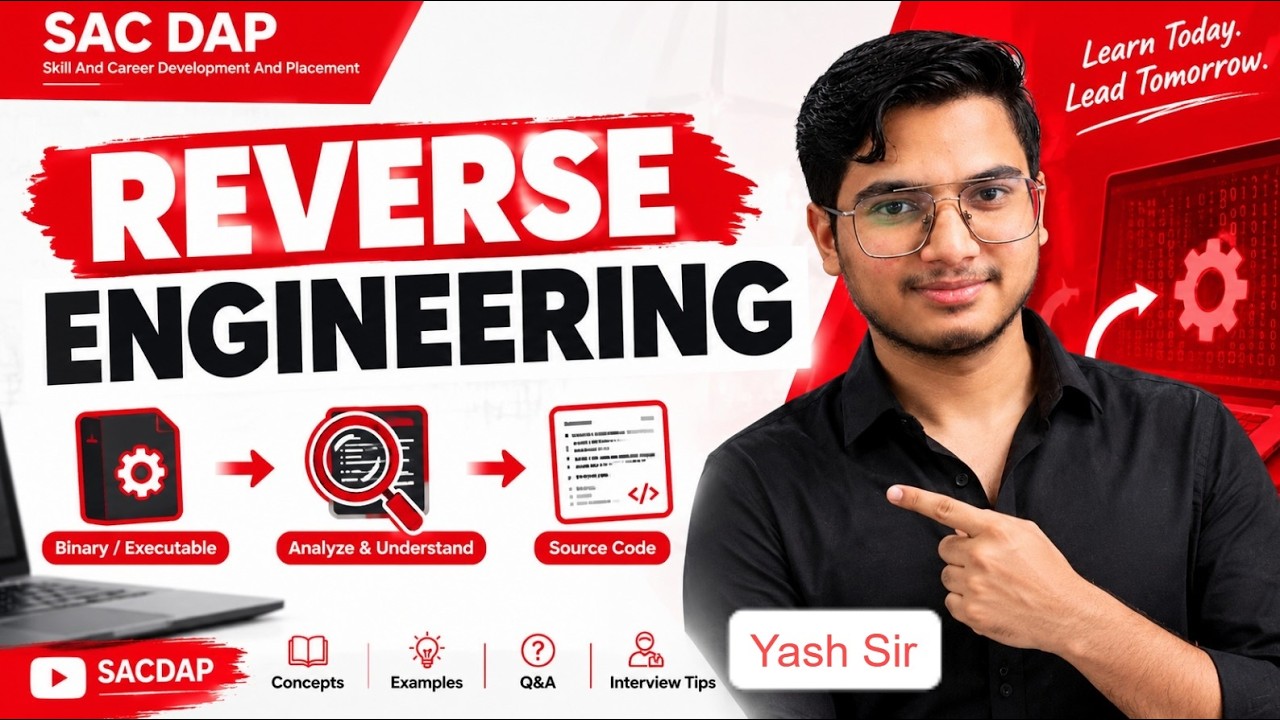
Demystifying Reverse Engineering: A Beginner’s Guide to Engineering Software

...
engineering information technology
Demystifying Reverse Engineering: A Beginner’s Guide to Engineering Software

Demystifying Reverse Engineering: A Beginner’s Guide to Engineering Software

This article provides an in-depth exploration of Engineering software, covering foundational concepts, practical applications, and engineering insights.

Have you ever wondered how complex systems work under the hood? Whether you are trying to understand legacy code, audit security, or improve product architecture, reverse engineering is the master key to unlocking hidden design secrets. But what exactly is this process, and how does it apply to modern tech tools?

What is Reverse Engineering?

At its core, reverse engineering is the process of deconstructing an existing product, application, or system to analyze its inner workings. Instead of building a tool from a blueprint or concept drawing, you start with the finished product and work backward to extract detailed knowledge about its design, structure, and operational logic.

In the technology sector, this technique is frequently applied to complex engineering software to uncover hidden algorithms, identify software bugs, or ensure seamless integration between different platforms.

Why Reverse Engineering Matters

Reverse engineering is far more than just taking things apart—it is a vital discipline used across software engineering and cybersecurity for several key reasons:

  • Legacy System Maintenance: Organizations often rely on critical legacy engineering software whose original documentation or source code has been lost over time. Reverse engineering enables developers to understand how these tools operate so they can maintain, patch, or upgrade them.
  • Cybersecurity and Vulnerability Assessment: Security analysts routinely reverse-engineer applications and malware to detect safety flaws, understand cyber threats, and fortify systems against potential attacks.
  • Interoperability and Compatibility: Software tools rarely exist in isolation. By analyzing third-party engineering software, developer teams can create compatible plug-ins, APIs, or cross-platform extensions without needing access to the underlying source code.

The Basic Process Explained Simply

While the exact methodology depends on whether you are working with hardware or code, software reverse engineering typically follows three fundamental steps:

  1. Information Gathering: Collecting all accessible binary files, executable code, and system inputs/outputs.
  2. Decompilation and Disassembly: Translating compiled machine code back into human-readable programming logic or assembly language.
  3. Analysis and Reconstruction: Studying the data flow, mapping the underlying architecture, and documenting how the system functions.

Final Thoughts

Reverse engineering turns mysterious "black box" applications into open books. By learning how to deconstruct and analyze existing systems, developers and security experts can build safer, more efficient software while driving innovation forward.


🎬 Related Video Reference

Mastering Requirement Engineering: Why Every Project Needs an Engineering Feasibility Study

...

Building successful software isn't just about writing code; it begins long before the first line is written. The Requirement Engineering (RE) process is the backbone of modern software development, ensuring that end-user expectations align seamlessly with technical capabilities and business goals. Without a structured RE process, projects risk costly reworks, scope creep, and missed deadlines.

What is the Requirement Engineering Process?

Requirement Engineering is a systematic framework for defining, documenting, and maintaining software requirements throughout the product lifecycle. It transforms vague user ideas into clear, actionable technical specifications. To achieve this, the requirement engineering process breaks down complex project demands into manageable, structured phases.

The Power of an Engineering Feasibility Study

Before committing time, money, and development resources to a new project, teams must evaluate its overall viability. This is where a comprehensive engineering feasibility study comes into play. As the fundamental first step in requirement engineering, an engineering feasibility study analyzes whether the proposed system is technically possible, cost-effective, and operationally realistic.

By conducting an effective engineering feasibility study, organizations can: * Identify potential technical hurdles and resource constraints before development begins. * Evaluate cost-benefit ratios and project ROI. * Assess operational impact and legal or compliance requirements.

Skipping this critical stage often results in building products that are technically sound but commercially or operationally unviable.

Core Activities in Requirement Engineering

Beyond the initial assessment, a robust requirement engineering workflow involves three additional core activities:

  1. Requirements Elicitation & Analysis: Gathering requirements directly from stakeholders, users, and domain experts. Teams analyze these inputs to clear up ambiguities and reconcile conflicting priorities.
  2. Requirements Specification: Translating raw insights into formal, structured documents—such as a Software Requirement Specification (SRS) document—that guide architects and developers.
  3. Requirements Validation: Reviewing and auditing the specified requirements to ensure completeness, consistency, and accuracy before full-scale coding starts.

Final Thoughts

A well-executed requirement engineering process bridges the gap between client vision and technical implementation. By starting with a strategic evaluation and sticking to structured RE stages, software teams can deliver high-quality, scalable products on time and within budget.

Mastering Engineering Software Operation: Last-Minute Study Tips and Essential Topics

...

Preparing for a Software Engineering exam can feel overwhelming, especially when time is running short. Whether you are revising for university semester assessments or reviewing crucial concepts for technical interviews, understanding the core principles of engineering software operation is essential for achieving top marks and building a strong foundation for your tech career.

To help you maximize your study efforts during crunch time, here is a concise guide covering high-yield topics and effective revision strategies.

Core Topics You Must Focus On

To score well, prioritize topics that test both theoretical knowledge and practical system design. Focus your final revision on these fundamental areas:

  • Software Development Life Cycle (SDLC): Master the key differences between traditional models (like Waterfall and Spiral) and modern frameworks like Agile and Scrum.
  • Requirements Engineering: Review functional versus non-functional requirements and understand how to structure a Software Requirement Specification (SRS) document.
  • Design & Architecture: Pay close attention to modularity, high cohesion, low coupling, and standard UML diagrams (Use Case, Class, and Sequence diagrams).
  • Testing and Quality Assurance: Learn the distinction between black-box and white-box testing, unit testing, integration testing, and debugging processes.

Understanding Engineering Software Operation

Exam questions often evaluate how well you understand the post-deployment phase of the software lifecycle. Efficient engineering software operation relies on continuous monitoring, system maintenance, performance tuning, and bug tracking. Demonstrating how software systems are deployed, maintained, and operated reliably in production environments will give your exam answers a major boost.

Smart Last-Minute Exam Strategies

  1. Focus on Short Notes and Diagrams: Avoid reading dense textbooks at the last minute. Stick to summary notes, block diagrams, and quick flowcharts. Visuals score high marks in engineering exams.
  2. Solve Previous Years' Papers: University exams frequently repeat core concepts. Reviewing past question papers helps you identify high-frequency topics and manage your time during the exam.
  3. Use Real-World Examples: Enhance your answers by citing real-life applications. Explaining theoretical concepts through actual software instances shows deep conceptual clarity.

Final Thoughts

Last-minute preparation is all about smart coverage rather than studying everything from scratch. By focusing on core SDLC models, visual diagrams, and the fundamentals of engineering software operation, you can enter the exam hall with confidence and secure excellent grades.

Mastering Engineering Software: The Ultimate Career and Technical Guide

...
engineering information technology
Mastering Engineering Software: The Ultimate Career and Technical Guide

Mastering Engineering Software: The Ultimate Career and Technical Guide

This article provides an in-depth exploration of Engineering software, covering foundational concepts, practical applications, and engineering insights.

In today’s fast-paced digital ecosystem, building a successful career in tech requires more than just basic coding knowledge. To truly excel, modern developers must master both the complex mechanics of engineering software and the strategic principles of professional growth. Whether you are an aspiring developer writing your first lines of code or a seasoned practitioner aiming for a leadership role, having a structured guide is crucial for navigating the evolving industry landscape.

Mastering the Technical Foundations

At the core of software development lies technical excellence. Understanding how to design, build, and maintain high-performing engineering software demands a deep grasp of architecture, clean code principles, and system scalability. Today's software professionals must also stay ahead of trends in cloud infrastructure, automated testing, and modern DevOps practices. By continuously refining your technical toolkit, you ensure that the systems you build remain robust, secure, and maintainable over time.

Strategic Career Planning for Developers

While technical expertise opens doors, strategic career management is what sustains long-term growth. Moving up the professional ladder involves far more than just submitting pull requests; it requires developing strong soft skills, business acumen, and project leadership. Key strategies for career advancement include:

  • Effective Communication: Translating complex technical architecture into actionable insights for non-technical stakeholders.
  • Leadership and Mentorship: Guiding junior team members and taking ownership of technical decision-making.
  • Strategic Networking: Engaging with the developer community and staying informed about industry shifts.

Accelerating Growth Through Continuous Learning

The tech industry evolves at a breakneck speed, making continuous learning a necessity rather than an option. Utilizing flexible educational resources—such as targeted audiobooks, technical guides, and online courses—allows developers to absorb complex ideas while balancing busy schedules. By regularly exposing yourself to high-level industry knowledge and practical career insights, you can accelerate your growth and remain competitive in a dynamic job market.

By balancing hands-on technical mastery with smart career planning, you can create a clear, actionable path toward a fulfilling and lucrative career in software engineering.


🎬 Related Video Reference

Mastering the Agile Manifesto: Why It’s the Secret to Success in Engineering Software

...
engineering information technology
Mastering the Agile Manifesto: Why It’s the Secret to Success in Engineering Software

Mastering the Agile Manifesto: Why It’s the Secret to Success in Engineering Software

This article provides an in-depth exploration of Engineering software, covering foundational concepts, practical applications, and engineering insights.

In the fast-paced world of modern development, technical skill alone isn't enough to guarantee a successful product launch. To truly excel, development teams must master the methodology behind the code. While many developers focus solely on syntax and architecture, the real breakthrough occurs when you understand how to build engineering software using the core principles of the Agile Manifesto.

The Foundation: Understanding Agile Core Principles

The Agile Manifesto was born from a need to move away from rigid, "waterfall" structures that often led to bloated budgets and missed deadlines. It prioritizes individuals and interactions over tools, and working software over comprehensive documentation. For any team building high-performance engineering software, these aren't just abstract suggestions—they are the foundation of a sustainable and scalable workflow.

By valuing customer collaboration over contract negotiation and responding to change over following a strict plan, teams can pivot quickly. This flexibility is essential in a market where user needs and technological capabilities evolve almost daily.

Putting Theory Into Practice

Applying the secrets of Agile to your daily routine starts with radical prioritization. Instead of trying to tackle every feature at once, Agile encourages an iterative approach. This means breaking down complex tasks into manageable "sprints" or work cycles.

When developing complex engineering software, this iterative approach significantly reduces risk. It allows engineers to test small increments of code, gather feedback early, and ensure that the most valuable features reach the end-user first. When you stop treating the development process as a straight line and start seeing it as a cycle of continuous improvement, your productivity will naturally soar.

The Power of the Retrospective

Finally, the secret to long-term Agile success lies in the "Retrospective." At the end of every cycle, teams must take the time to reflect on what worked and what didn’t. This isn't about assigning blame; it’s about refining the process.

Success in engineering is a marathon, not a sprint. By embracing the Agile mindset, you aren't just writing better code—you are building a more resilient, responsive, and successful engineering culture. Focus on the principles, prioritize the value, and watch your development projects transform.

Visual Insights & Illustrations

Engineering software

Only True Developers Will Get This: Unpacking the Quirks of Software Engineering Life

...

Image Credit:

Programming Meme Thumbnail

Welcome to the Inner Circle of Code!

Ever felt like you're speaking a secret language that only a select few understand? If you're entrenched in the world of programming, software development, or engineering, you know exactly what we're talking about. The daily grind is filled with unique challenges, triumphs, and, let's be honest, hilarious moments that only fellow tech enthusiasts truly appreciate.

This particular clip, titled "Solo pocos entenderán :(" (Only a few will understand :(), perfectly encapsulates those universal experiences. It's more than just lines of code; it's the late-night debugging sessions, the inexplicable bugs, the joy of a clean compile, and the shared understanding that binds the global developer community. Are you one of the chosen few who will truly 'get' it?

Get ready to nod in agreement, share a knowing smile, and maybe even a chuckle, as we delve into a moment that truly speaks volumes to those living and breathing software engineering and technology every single day. Watch the video below and see if you're part of the elite who share this unique perspective!

The Universal Language of Developers

Whether you're a seasoned software engineer, a budding programmer, or an IT professional, there's a certain camaraderie that comes with navigating the complex landscape of technology. From obscure error messages to the satisfaction of solving a particularly tricky problem, these are the moments that define our professional lives. This video serves as a perfect reminder of that shared journey.

So, did you understand it? If you did, welcome to the club! Share your thoughts in the comments below and let us know what programming or engineering moment you've experienced that only a few others would truly comprehend. Let's celebrate the unique insights that come with being part of the incredible world of software development!

Method for Reducing Time-to-Discovery Using Parallel Execution Strategies

...

In the modern development lifecycle, Time-to-Discovery (TTD) is a critical metric. Whether you are running complex simulations, large-scale automated testing, or data analysis, the speed at which you gain insights determines your competitive edge. This article explores how parallel execution strategies can drastically shorten these feedback loops.

Understanding Time-to-Discovery (TTD)

TTD refers to the duration between starting a process and obtaining a meaningful result or identifying a failure. A high TTD slows down innovation and increases costs. By implementing parallel computing, we distribute tasks across multiple processors or nodes, ensuring that "discovery" happens in a fraction of the time.

Key Strategies for Parallel Execution

  • Task Partitioning: Breaking down a monolithic process into independent, smaller chunks that can run simultaneously.
  • Resource Orchestration: Utilizing tools like Docker and Kubernetes to manage distributed workloads efficiently.
  • Data Sharding: Splitting datasets so that multiple execution units can process information without memory bottlenecks.

The Impact on Scalability and Efficiency

Switching from sequential to parallel execution isn't just about speed; it's about scalability. When your execution strategy is optimized, adding more hardware directly results in faster discovery. This is essential for modern CI/CD pipelines and High-Performance Computing (HPC) environments.

"Parallelism is the key to transforming days of computation into hours of actionable insight."

Conclusion

Reducing Time-to-Discovery through parallel execution is no longer optional for high-growth tech teams. By leveraging distributed systems and smart task scheduling, you can optimize your workflow and stay ahead of the curve.

IT Engineering: The Strategic Heart of Digital Innovation

...

In the modern business landscape, IT Engineering has evolved from a backend support function into the strategic heart of digital innovation. As organizations undergo rapid digital transformation, the bridge between visionary ideas and functional reality is built by skilled engineers.

Driving Innovation Through Robust Infrastructure

Every groundbreaking app or platform relies on a foundation of solid IT infrastructure. IT Engineering ensures that systems are not only functional but also scalable and secure. By leveraging cloud computing and microservices architecture, engineers allow businesses to pivot quickly in response to market demands.

The Role of Automation and DevOps

To stay competitive, speed is essential. IT Engineering integrates DevOps practices and automation pipelines to shorten the software development lifecycle. This continuous integration and continuous deployment (CI/CD) approach enables digital innovation to reach users faster while maintaining high quality and stability.

Key Pillars of Strategic IT Engineering:

  • Scalability: Designing systems that grow with your user base.
  • Resilience: Ensuring high availability and disaster recovery.
  • Security by Design: Integrating protection at every layer of the tech stack.

Conclusion

Ultimately, IT Engineering is the engine room of the digital age. By aligning technical excellence with business strategy, organizations can unlock new levels of efficiency and create value that resonates in a tech-driven economy.

IT Engineering, Digital Innovation, Technology Strategy, DevOps, Cloud Computing, Digital Transformation, Software Development

Crafting IT Solutions that Elevate Customer Experiences

...

In today’s digital-first world, crafting IT solutions that elevate customer experiences has become a critical success factor for modern businesses. Customers expect seamless, personalized, and secure interactions across every digital touchpoint.

Why Customer Experience Matters in IT Solutions

Customer experience is no longer limited to front-end design. Well-crafted IT solutions integrate backend systems, data analytics, and cloud infrastructure to deliver fast, reliable, and intuitive services. Companies that invest in customer-centric IT solutions gain higher customer satisfaction, stronger loyalty, and long-term growth.

Key Elements of IT Solutions that Enhance Customer Experience

  • User-Centered Design: Interfaces designed with usability and accessibility in mind.
  • System Integration: Seamless connection between CRM, ERP, and digital platforms.
  • Data-Driven Insights: Leveraging customer data to personalize services and experiences.
  • Security and Reliability: Protecting customer data while ensuring system stability.

How Businesses Can Craft Better IT Solutions

To successfully craft IT solutions that elevate customer experiences, organizations must align technology strategy with customer needs. This includes adopting agile development, investing in scalable cloud solutions, and continuously monitoring user feedback to improve digital services.

The Future of Customer Experience Through IT Innovation

Emerging technologies such as artificial intelligence, automation, and 3D visualization are redefining how customers interact with digital systems. Businesses that focus on innovative IT solutions will be better positioned to deliver exceptional customer experiences in a competitive market.

Ultimately, IT solutions that elevate customer experiences are not just about technology. They are about creating meaningful, efficient, and engaging interactions that build trust and value for both customers and businesses.

IT Solutions, Customer Experience, Digital Transformation, Business Technology, Software Development


Transforming Business Landscapes through IT Engineering Innovation

...

In today’s hyper-competitive market, IT engineering innovation is no longer just a support function; it is the primary engine driving corporate evolution. As companies move away from legacy systems, the integration of advanced software architecture and cloud computing solutions has become essential for staying relevant.

The Role of Modern IT Engineering

The core of transforming a business lies in how it leverages data and automation. IT engineering innovation focuses on creating scalable infrastructures that allow businesses to pivot quickly. By implementing Agile development and DevOps practices, organizations can reduce time-to-market for new products, ensuring they meet customer demands in real-time.

Driving Efficiency through Scalable Systems

One of the most significant impacts of digital transformation is the optimization of internal workflows. Through smart IT engineering, businesses can automate repetitive tasks, allowing human talent to focus on high-level strategy. Key components include:

  • Cloud-Native Applications: Providing the flexibility to scale resources on demand.

  • Data-Driven Insights: Using AI-integrated engineering to predict market trends.

  • Cybersecurity Resilience: Building innovation on a foundation of trust and security.

Conclusion

As we look toward the future, the bridge between traditional business goals and technical execution will continue to shrink. Embracing IT engineering innovation is the only way to ensure long-term growth and a sustainable competitive advantage in the modern business landscape.

IT Innovation, Business Transformation, Engineering, Digital Strategy, Technology Trends, Cloud Computing, Software Development

Driving Digital Excellence with IT Engineering Practices

...

In the modern era of software development, achieving Digital Excellence isn't just about writing code; it's about establishing robust IT Engineering Practices. By shifting from manual processes to automated workflows, organizations can ensure Scalability, Reliability, and Speed.

One of the cornerstones of this excellence is Infrastructure as Code (IaC). Below is an example of how we use Terraform to define a scalable cloud environment, ensuring that our infrastructure is versioned and reproducible.

Code Example: Infrastructure as Code (Terraform)

Terraform
# Define a High-Availability Web Server Cluster
resource "aws_autoscaling_group" "digital_excellence_app" {
  name                 = "it-engineering-asg"
  launch_configuration = aws_launch_configuration.app_config.name
  min_size             = 2
  max_size             = 10
  desired_capacity     = 3
  vpc_zone_identifier  = var.subnet_ids

  tag {
    key                 = "Environment"
    value               = "Production"
    propagate_at_launch = true
  }
}

# Implementing Continuous Excellence through health checks
resource "aws_lb_target_group" "app_tg" {
  name     = "app-target-group"
  port     = 80
  protocol = "HTTP"
  vpc_id   = var.vpc_id

  health_check {
    path                = "/health"
    interval            = 30
    timeout             = 5
    healthy_threshold   = 2
    unhealthy_threshold = 5
  }
}

Why this matters for SEO and Engineering:

  1. Automation: Reduces human error, leading to higher system uptime.

  2. Standardization: Ensures every environment (Dev, Staging, Prod) is identical.

  3. Observability: Built-in health checks allow for proactive issue resolution.

By integrating these IT Engineering Practices, businesses can transform their digital landscape into a high-performing engine that drives growth and innovation.

IT Engineering: Powering Next-Level Customer Engagement

...

In today’s digital-first economy, IT Engineering plays a critical role in transforming how businesses connect with customers. Advanced IT solutions enable organizations to deliver seamless, personalized, and real-time customer experiences across multiple platforms.

How IT Engineering Enhances Customer Engagement

Modern IT engineering solutions integrate software development, system architecture, cloud computing, and data analytics to create intelligent customer engagement systems. These technologies allow businesses to understand customer behavior, predict needs, and respond instantly.

  • Scalable IT infrastructure for high-traffic customer platforms
  • Data-driven personalization using analytics and AI
  • Secure and reliable system architecture
  • Automation tools for faster customer response

The Role of Digital Platforms and Automation

Through well-designed digital platforms, IT engineers enable businesses to manage customer interactions efficiently. Automation, chatbots, and CRM integrations reduce response time while maintaining high service quality. This results in improved customer satisfaction and stronger brand loyalty.

Future of Customer Engagement Powered by IT Engineering

As technology evolves, IT engineering will continue to drive next-level customer engagement. Innovations such as AI-powered systems, 3D visualization, and real-time data processing will help businesses build deeper, more meaningful relationships with their customers.

By investing in robust IT engineering strategies, organizations can stay competitive and deliver exceptional customer experiences in a rapidly changing digital landscape.

IT Engineering,Customer Engagement,Digital Transformation,Software Development,Automation,IT Solutions


The Role of IT Engineers in Accelerating Digital Adoption

...

In today’s fast-paced digital world, IT engineers play a crucial role in driving digital adoption across organizations. By implementing innovative technologies, ensuring secure IT infrastructures, and providing technical support, IT engineers help businesses transition smoothly into the digital era. Their expertise in cloud computing, network management, and software development enables companies to leverage digital solutions efficiently and effectively.

Digital transformation is not just about adopting new tools; it requires a strategic approach where IT engineers lead the integration of digital platforms. They ensure seamless communication between systems, enhance cybersecurity measures, and provide training for staff, making digital adoption less intimidating and more productive.

Companies that invest in skilled IT engineers see faster implementation of digital initiatives, improved operational efficiency, and higher employee engagement. The role of IT engineers is indispensable in shaping a digital-ready organization and fostering innovation.

IT engineers, digital adoption, digital transformation, cloud computing, network management, cybersecurity, software development, technology integration, business innovation


IT Engineering: The Unsung Hero of Organizational Innovation

...

In today's fast-paced business environment, IT engineering plays a pivotal role in driving organizational innovation. From designing efficient software systems to ensuring seamless infrastructure, IT engineers are the backbone of technological advancement. Their expertise enables companies to adopt cutting-edge technologies, optimize workflows, and enhance productivity.

Despite being behind the scenes, IT engineers are critical in transforming ideas into practical solutions. They support innovation by implementing automation tools, developing data-driven strategies, and maintaining robust cybersecurity frameworks that protect sensitive organizational data. Without their technical insights, even the most visionary business strategies may fail to materialize.

Furthermore, IT engineering fosters collaboration across departments, ensuring that software development, network management, and cloud computing initiatives align with organizational goals. By leveraging emerging technologies like AI, IoT, and blockchain, IT engineers help companies remain competitive and innovate continuously.

In summary, recognizing the contributions of IT engineering is essential for any organization seeking sustainable growth and technological advancement. They are indeed the unsung heroes of innovation.

IT engineering, organizational innovation, software development, automation tools, data-driven strategies, cybersecurity, network management, cloud computing, emerging technologies, AI, IoT, blockchain


The Relationship Between IT Engineering and Software Quality

...

IT engineering plays a crucial role in determining software quality. High-quality software is not only reliable but also maintainable, efficient, and secure. By applying best practices in IT engineering, organizations can ensure that their software meets user expectations and reduces the risk of system failures.

One key aspect of IT engineering is software testing and quality assurance. Rigorous testing processes help detect bugs early, improve performance, and ensure compliance with standards. Moreover, effective IT engineering emphasizes code optimization and system architecture design to enhance software quality.

Another important factor is continuous integration and deployment (CI/CD). This practice allows developers to frequently update and improve software while maintaining high standards. IT engineers are responsible for implementing automated testing and monitoring tools, which directly contributes to better software quality.

In conclusion, IT engineering and software quality are closely interconnected. Organizations that invest in advanced IT engineering techniques and prioritize quality assurance achieve more reliable, efficient, and user-friendly software products.

IT engineering, software quality, quality assurance, software testing, CI/CD, system architecture, code optimization, software development


How to Become a Professional IT Engineer: Steps and Tips

...

Becoming a professional IT engineer requires a combination of formal education, practical experience, and continuous learning. In this article, we will guide you through the essential steps and tips to build a successful career in the IT industry.

Step 1: Obtain Relevant Education

Most IT engineers start with a bachelor's degree in Computer Science, Information Technology, or related fields. Courses in programming, networking, cybersecurity, and databases are highly recommended. Obtaining certifications such as CompTIA, Cisco, or Microsoft can boost your employability.

Step 2: Gain Practical Experience

Hands-on experience is crucial. Participate in internships, coding projects, or volunteer work. Platforms like GitHub or GitLab allow you to showcase your projects and contribute to open-source initiatives, making your resume stand out.

Step 3: Specialize in a Niche

IT engineering has many specializations, including cloud computing, cybersecurity, AI, and software development. Identifying a niche early can help you gain deep expertise and increase your market value.

Step 4: Develop Soft Skills

Technical knowledge alone is not enough. Communication, teamwork, problem-solving, and project management skills are highly valued in IT roles. Attend workshops or join professional networks to enhance these skills.

Step 5: Stay Updated with Technology

The IT industry evolves rapidly. Subscribe to tech blogs, participate in webinars, and attend conferences to stay current with the latest trends. Continuous learning is key to maintaining a professional IT career.

Tips for Career Growth

  • Build a strong online presence on LinkedIn and GitHub.
  • Obtain advanced certifications in your chosen specialization.
  • Network with industry professionals and mentors.
  • Practice problem-solving through coding challenges and competitions.

By following these steps and tips, you can become a professional IT engineer capable of excelling in a competitive and evolving industry.

IT Engineer, Professional IT Career, IT Certifications, Career Tips, Networking, Programming, Cybersecurity, Cloud Computing, AI, Software Development, Technology Trends


Software Engineering vs. IT Engineering: Key Differences

...

When discussing modern technology careers, many people often confuse Software Engineering and IT Engineering. While both fields play essential roles in today’s digital world, they involve different responsibilities, skill sets, and career paths. Understanding these distinctions helps students, professionals, and businesses choose the right direction based on their needs.

1. Definition and Core Focus

Software Engineering focuses on designing, developing, testing, and maintaining software systems. It follows engineering principles, structured processes, and best practices to build scalable applications.

IT Engineering, on the other hand, emphasizes managing computer systems, networks, infrastructure, and hardware. IT engineers ensure that organizations operate smoothly and securely using technology.

2. Main Responsibilities

  • Software Engineering Responsibilities include writing code, creating system architecture, developing applications, performing software testing, and optimizing performance.
  • IT Engineering Responsibilities involve network configuration, cybersecurity management, hardware installation, system troubleshooting, and IT support.

3. Required Skills

Software engineers typically require strong programming abilities, algorithm understanding, version control knowledge, and familiarity with software development methodologies like Agile or DevOps.

IT engineers need expertise in network protocols, operating systems, cloud services, cybersecurity practices, and hardware maintenance.

4. Tools and Technologies

  • Software Engineering Tools: Git, GitHub, Visual Studio Code, Docker, Kubernetes, CI/CD pipelines.
  • IT Engineering Tools: Cisco networking tools, firewalls, virtualization tools (VMware), monitoring platforms, cloud consoles.

5. Career Outcomes

Common software engineering roles include Software Developer, Backend Engineer, Frontend Engineer, Mobile App Developer, and DevOps Engineer.

IT engineering roles include Network Engineer, IT Administrator, Cybersecurity Specialist, Cloud Engineer, and Systems Engineer.

Conclusion

Although Software Engineering and IT Engineering are closely related, they serve different purposes. Understanding their key differences helps individuals choose the right path based on interests and career goals. Whether building software applications or managing IT infrastructure, both fields are essential in the evolving world of technology.

Software Engineering, IT Engineering, Technology Careers, Software vs IT, Tech Comparison, Engineering Fields, Network Engineering, Software Development

The Importance of API Integration in Modern IT Systems

...

In today’s digital landscape, API integration plays a crucial role in connecting software, platforms, and services. Modern IT systems rely on seamless communication between applications, and APIs provide the essential framework that allows different technologies to work together efficiently.

1. Enhancing System Efficiency

By implementing effective API integration, organizations can automate processes, reduce manual tasks, and improve operational efficiency. APIs allow systems to exchange data in real time, creating faster and more accurate workflows across the entire infrastructure.

2. Improving Scalability

Modern IT environments require flexible solutions that can grow with business needs. APIs enable scalability by allowing companies to add new services, integrate third-party apps, and expand their technological capabilities without rebuilding existing systems.

3. Strengthening Data Connectivity

With the rise of cloud computing and distributed applications, secure data communication is essential. API integration ensures consistent data flow between platforms, improving data accuracy and enabling better decision-making across departments.

4. Enhancing User Experience

Well-implemented APIs provide users with faster system responses, access to more features, and smoother interactions. From mobile apps to enterprise dashboards, API integration helps deliver a unified and optimized user experience.

5. Supporting Digital Transformation

API-driven systems accelerate digital transformation by connecting legacy systems with new technologies. Businesses can integrate AI tools, automation systems, cloud services, and analytics platforms seamlessly through robust API architecture.

Conclusion

The importance of API integration in modern IT systems continues to grow as organizations shift toward interconnected digital solutions. Companies that embrace API-centric development gain greater efficiency, scalability, and long-term competitiveness in the evolving technology landscape.

API Integration, IT Systems, Digital Transformation, Software Development, Cloud Technology, System Connectivity, Automation Technology, Enterprise IT

The Role of Automation in IT Engineering

...

Automation has become a critical component in modern IT engineering, driving efficiency, reducing human error, and accelerating software development cycles. By integrating automation tools into IT workflows, engineers can streamline repetitive tasks such as testing, deployment, and monitoring.

One of the key benefits of automation in IT engineering is the ability to achieve continuous integration and continuous deployment (CI/CD). This approach allows teams to deliver updates and new features faster, ensuring software reliability and high performance.

Moreover, automation enhances cybersecurity practices. Automated scripts can monitor network traffic, detect anomalies, and respond to potential threats faster than manual processes. This proactive approach helps organizations maintain robust security standards.

Artificial Intelligence (AI) and Machine Learning (ML) further elevate automation capabilities. Predictive analytics, automated incident response, and intelligent system optimization are just a few examples of how AI-driven automation transforms IT operations.

In conclusion, the role of automation in IT engineering is indispensable. It not only improves productivity but also reduces errors, ensures faster delivery, and strengthens security. IT engineers embracing automation are better equipped to meet the demands of today’s fast-paced technological landscape.

IT engineering, automation, DevOps, CI/CD, software development, AI in IT, cybersecurity, IT workflow, IT operations, technology trends


The Intersection of Software Development and IT Engineering

...

In today's rapidly evolving tech landscape, software development and IT engineering are no longer isolated disciplines. They converge to create robust, scalable, and innovative solutions. Understanding this intersection is crucial for organizations aiming to optimize their technology infrastructure and enhance application performance.

Software development focuses on designing, coding, testing, and deploying applications, while IT engineering emphasizes system architecture, network optimization, and infrastructure management. When these domains collaborate, it leads to efficient DevOps workflows, improved system reliability, and faster software delivery cycles.

Key areas where software development intersects with IT engineering include cloud computing, cybersecurity, automation, and data management. Leveraging these technologies ensures that applications not only meet functional requirements but also perform optimally within complex IT environments.

For professionals in both fields, embracing cross-disciplinary knowledge is essential. By understanding IT infrastructure constraints, software developers can write more efficient code. Similarly, IT engineers can implement systems that better support modern software architectures.

In conclusion, the synergy between software development and IT engineering drives innovation, enhances system reliability, and accelerates digital transformation. Companies that invest in integrating these disciplines are better positioned to thrive in the digital age.

software development, IT engineering, DevOps, cloud computing, cybersecurity, automation, data management, technology infrastructure, digital transformation, application performance