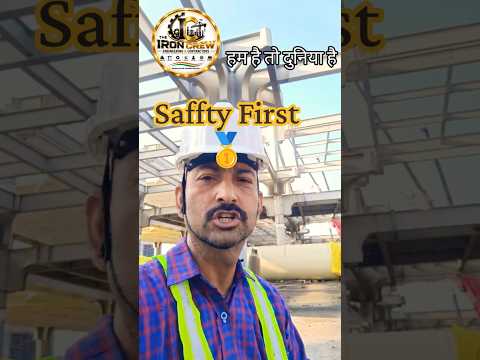
In the world of heavy industrial operations, dedication and hard work drive success. However, operating near high-heat environments, operating heavy machinery, and navigating high-risk jobsites carry inherent dangers. As any experienced industrial worker knows, working hard is important, but working safe is absolute—because a single mistake can change everything in an instant.
The Foundation of Industrial Hazard Prevention
To prevent catastrophic workplace accidents, implementing clear and rigorous safety engineering protocols is non-negotiable. Leading organizations like The Iron Crew Engineering demonstrate that safety cannot exist merely on paper as a passive policy; it must be the core operational priority. From wearing proper high-visibility Personal Protective Equipment (PPE) to enforcing standardized machinery operation guidelines, robust protocols protect workforce health and ensure operational continuity.
Why Safety Engineering Protocols Save Lives
Extreme heat, heavy suspended loads, and complex mechanical systems leave zero room for error. When industrial management integrates structured safety engineering protocols, they build a proactive defense mechanism against both human error and mechanical failure. Key components of these essential safety guidelines include:
- Comprehensive Hazard Assessments: Identifying thermal, mechanical, and structural threats before any work commences on-site.
- Strict Equipment Maintenance: Routine inspections and servicing of specialized tools and machinery to avoid structural breakdowns.
- Continuous Emergency Training: Equipping crews with practical knowledge on how to react swiftly and effectively if critical situations arise.
By weaving these protective standards directly into daily task management, engineering crews drastically minimize risks while maintaining high efficiency.
Cultivating a Safety-First Culture
Ultimately, even the most advanced safety engineering protocols rely on the daily commitment of the people on the ground. A genuine safety-first culture encourages every technician, engineer, and laborer to stay vigilant, look out for their teammates, and pause operations if unsafe conditions are identified.
When heavy industry prioritizes life and physical well-being above shortcuts, it proves that working hard and working safe truly go hand in hand.
