Showing posts with label Industrial Safety. Show all posts

Enhancing Warehouse Safety: How Industrial IT and Center of Gravity Dynamics Prevent Forklift Accidents

...
engineering information technology
Enhancing Warehouse Safety: How Industrial IT and Center of Gravity Dynamics Prevent Forklift Accidents

Enhancing Warehouse Safety: How Industrial IT and Center of Gravity Dynamics Prevent Forklift Accidents

This article provides an in-depth exploration of Industrial IT, covering foundational concepts, practical applications, and engineering insights.

Forklifts are indispensable workhorses in modern logistics and manufacturing facilities. However, operating these heavy vehicles carries inherent risks, with tip-over accidents remaining one of the leading causes of workplace injuries. To prevent catastrophic incidents, facility managers must understand the fundamental physics of load stability—specifically, the Center of Mass (COM) and Center of Gravity (COG)—and leverage modern Industrial IT solutions to maintain optimal safety standards.

Understanding the Stability Triangle and Center of Mass

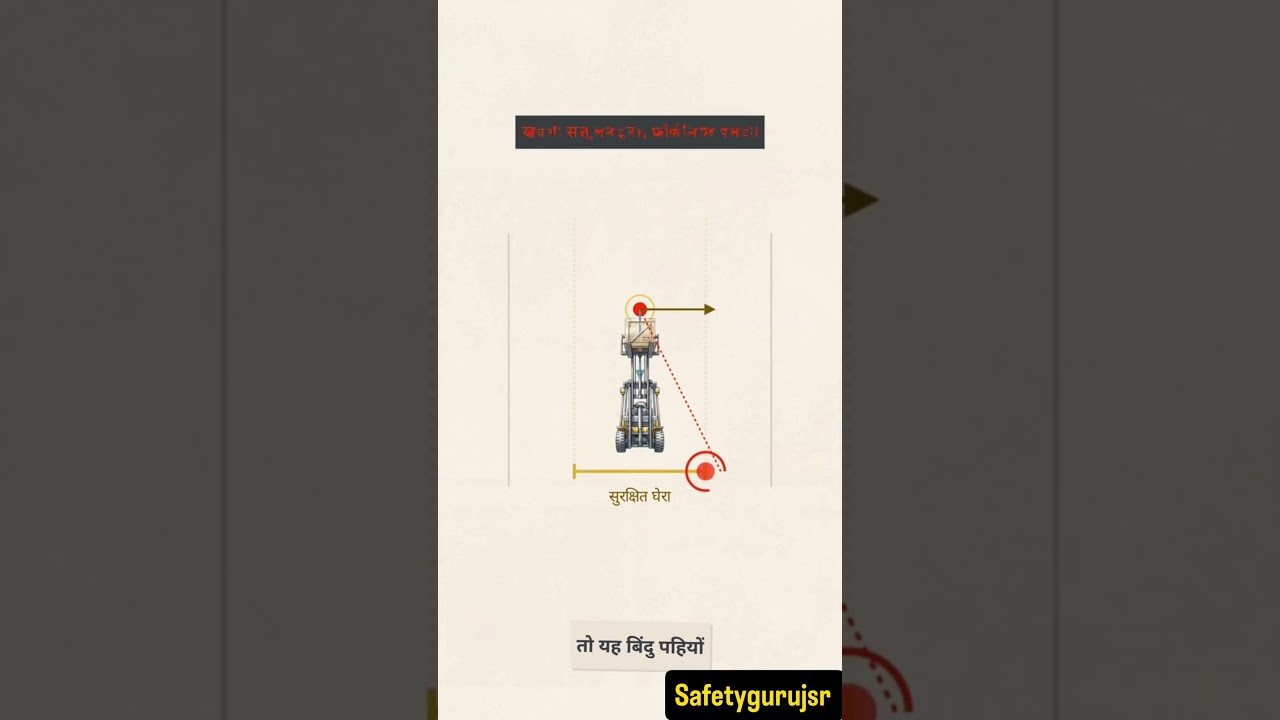
Every forklift operates on a physics principle known as the "stability triangle." The three points of this triangle consist of the two front drive wheels and the center pivot of the rear axle. As long as the combined Center of Mass of both the forklift and its elevated payload remains strictly within this triangle, the vehicle stays stable and balanced.

When an operator lifts a heavy load, drives on uneven surfaces, or executes sharp turns at elevated speeds, the Center of Mass shifts rapidly. If it moves outside the boundary of the stability triangle, the forklift will instantly tip over, putting the driver and surrounding workers at extreme risk.

The Role of Industrial IT in Real-Time Safety Monitoring

While thorough operator training is essential, human error remains a major variable on the warehouse floor. This is where modern Industrial IT plays a transformative role in fleet management and risk reduction. By integrating Internet of Things (IoT) sensors, dynamic telemetry systems, and onboard computational units, industrial facilities can monitor vehicle physics in real time.

Smart sensor networks connected to an Industrial IT architecture continuously calculate load weight, fork elevation, mast tilt, and vehicle velocity. If the system detects that the Center of Mass is approaching a dangerous threshold, it can trigger immediate visual and audible operator warnings, automatically govern speed, or restrict hazardous tilt maneuvers before a rollover can happen.

Key Practices for Safe Forklift Operation

To maintain a secure operating environment, industrial facilities should combine core physical safety practices with digital infrastructure:

  • Maintain Low Travel Positions: Always transport materials with the forks tilted back slightly and kept low to the ground to preserve a lower Center of Gravity.
  • Control Speed During Turns: Centrifugal force shifts the Center of Mass laterally; reducing speed during turns prevents tipping.
  • Leverage Smart Analytics: Utilize connected telemetry platforms to collect operator data, identify unsafe driving patterns, and deliver targeted safety refresher training.

By combining an understanding of basic physics with powerful tech innovations, modern operations can drastically reduce accidents and build a safer, more productive industrial workplace.

🎬 Related Video Reference

Work Hard, Work Safe: Why Safety Engineering Protocols Save Lives in Heavy Industry

...

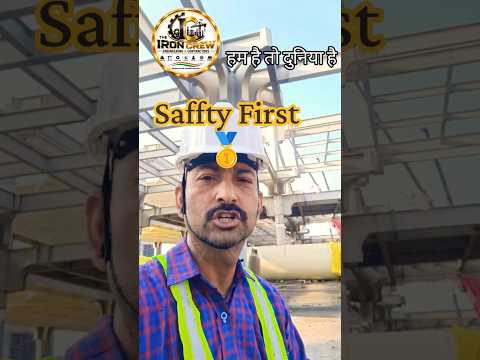
In the world of heavy industrial operations, dedication and hard work drive success. However, operating near high-heat environments, operating heavy machinery, and navigating high-risk jobsites carry inherent dangers. As any experienced industrial worker knows, working hard is important, but working safe is absolute—because a single mistake can change everything in an instant.

The Foundation of Industrial Hazard Prevention

To prevent catastrophic workplace accidents, implementing clear and rigorous safety engineering protocols is non-negotiable. Leading organizations like The Iron Crew Engineering demonstrate that safety cannot exist merely on paper as a passive policy; it must be the core operational priority. From wearing proper high-visibility Personal Protective Equipment (PPE) to enforcing standardized machinery operation guidelines, robust protocols protect workforce health and ensure operational continuity.

Why Safety Engineering Protocols Save Lives

Extreme heat, heavy suspended loads, and complex mechanical systems leave zero room for error. When industrial management integrates structured safety engineering protocols, they build a proactive defense mechanism against both human error and mechanical failure. Key components of these essential safety guidelines include:

  • Comprehensive Hazard Assessments: Identifying thermal, mechanical, and structural threats before any work commences on-site.
  • Strict Equipment Maintenance: Routine inspections and servicing of specialized tools and machinery to avoid structural breakdowns.
  • Continuous Emergency Training: Equipping crews with practical knowledge on how to react swiftly and effectively if critical situations arise.

By weaving these protective standards directly into daily task management, engineering crews drastically minimize risks while maintaining high efficiency.

Cultivating a Safety-First Culture

Ultimately, even the most advanced safety engineering protocols rely on the daily commitment of the people on the ground. A genuine safety-first culture encourages every technician, engineer, and laborer to stay vigilant, look out for their teammates, and pause operations if unsafe conditions are identified.

When heavy industry prioritizes life and physical well-being above shortcuts, it proves that working hard and working safe truly go hand in hand.

Preventing Disaster: How Modern Industrial IT Revolutionizes Safety Standards

...
engineering information technology
Preventing Disaster: How Modern Industrial IT Revolutionizes Safety Standards

Preventing Disaster: How Modern Industrial IT Revolutionizes Safety Standards

This article provides an in-depth exploration of Industrial IT, covering foundational concepts, practical applications, and engineering insights.

The devastating events surrounding historical industrial disasters, recently brought back into the public eye by media like The Railway Men, serve as a grim reminder of what happens when safety protocols fail. In the past, industrial complexes and vast transit networks relied heavily on manual oversight, leaving little room to halt sudden, catastrophic failures. Today, however, the landscape of safety management has undergone a radical transformation.

The Role of Industrial IT in Safety

At the heart of this transformation is modern Industrial IT, a discipline that bridges advanced information technology with heavy industrial infrastructure. Unlike the fragile monitoring systems of decades past, contemporary facilities utilize interconnected software networks, smart IoT sensors, and automated controls to maintain strict oversight over hazardous processes. By implementing robust Industrial IT frameworks, organizations can constantly track chemical levels, structural integrity, and environmental hazards in real time.

Preventing Catastrophes Through Automation

When dealing with volatile materials or high-volume transportation networks like national railways, seconds matter. Automated early warning systems can instantly trigger shut-off valves, deploy emergency containment controls, and alert first responders long before a human operator might even detect a threat.

Key safety advantages include:
* Predictive Maintenance: Data analytics detect equipment degradation before critical failures occur.
* Automated Containment: Instant isolation of hazardous leaks to protect surrounding communities.
* Centralized Visibility: Real-time monitoring dashboards enable site managers to make life-saving decisions in an instant.

A Moral Imperative for Modern Infrastructure

Honoring the brave workers and victims of past industrial tragedies means ensuring such events are never repeated. Investing in cutting-edge Industrial IT solutions is no longer just an operational choice—it is a vital responsibility to safeguard human lives and build a secure future for global infrastructure.


🎬 Related Video Reference

Approach to Preventing Catastrophic Machine Failures

...

In the modern industrial landscape, a catastrophic machine failure can lead to massive financial losses, safety hazards, and prolonged downtime. Implementing a proactive preventive maintenance strategy is no longer optional—it is a necessity for operational excellence.

Understanding the Root Causes

To effectively prevent failures, we must first understand why they happen. Most issues stem from mechanical wear, electrical surges, or inadequate lubrication. By utilizing Condition Monitoring and Predictive Maintenance, industries can detect early warning signs before they escalate into total system shutdowns.

Key Strategies for Failure Prevention

  • Real-time Monitoring: Use IoT sensors to track vibration, temperature, and pressure.
  • Scheduled Inspections: Routine checks ensure that minor components like seals and bearings are replaced before they fail.
  • Data Analytics: Analyze historical performance data to predict the remaining useful life (RUL) of critical machinery.

The Role of Predictive Maintenance

The modern approach to preventing catastrophic machine failures involves shifting from "fix-it-when-it-breaks" to a data-driven model. Integrating AI and machine learning allows for precise intervention, ensuring that maintenance is performed only when necessary, thus optimizing costs and enhancing reliability.

Conclusion

Investing in advanced monitoring technology and a robust maintenance culture is the best defense against unexpected breakdowns. By prioritizing industrial safety and equipment health, businesses can ensure seamless production and long-term success.

Understanding Non-Destructive Testing (NDT) in Metal Industries

...

In the modern metal manufacturing and construction sectors, ensuring structural integrity without damaging the components is paramount. This is where Non-Destructive Testing (NDT) plays a critical role. NDT refers to a group of analysis techniques used to evaluate the properties of a material, component, or system without causing permanent damage.

Why NDT is Essential for Metal Industries

The primary goal of NDT is to detect internal or external defects, such as cracks, corrosion, and inclusions. By implementing rigorous NDT protocols, companies can ensure industrial safety, prevent catastrophic failures, and maintain high quality assurance standards.

Common NDT Methods Used in Metal Inspection

1. Ultrasonic Testing (UT)

UT uses high-frequency sound waves to detect internal flaws or measure material thickness. It is highly effective for inspecting thick steel plates and weld joints in the oil and gas industry.

2. Radiographic Testing (RT)

Using X-rays or gamma rays, RT provides a visual internal view of the metal part. It is the gold standard for identifying hidden voids or porosity in complex castings.

3. Magnetic Particle Testing (MT)

This method is used for detecting surface and slightly subsurface discontinuities in ferromagnetic materials like iron and steel. It is fast, reliable, and cost-effective for metal fabrication shops.

4. Liquid Penetrant Testing (PT)

PT is a widely used method for detecting surface-breaking defects in all non-porous materials. A fluorescent or visible dye is applied to the surface to reveal hairline cracks.

The Benefits of NDT Integration

  • Cost Efficiency: Prevents the need to replace expensive parts by identifying repairable flaws early.
  • Reliability: Enhances the lifespan of metal structures like bridges and pipelines.
  • Compliance: Meets international standards such as ASME and ISO.

As metal processing technologies evolve, NDT remains the backbone of safety and excellence, ensuring that every bolt, beam, and weld is fit for purpose.

NDT, Metal Industry, Quality Control, Engineering, Ultrasonic Testing, Metal Inspection, Industrial Safety, Manufacturing

How Wear Testing Works in Metal Industries: Ensuring Industrial Durability

...

In the world of metallurgy and manufacturing, the longevity of components is everything. Wear testing is a critical process used to simulate the interaction between surfaces, helping engineers predict how metal parts will perform over time under various stress conditions.

Why is Metal Wear Testing Essential?

Metal surfaces in industrial machinery are constantly subjected to friction, heat, and chemical exposure. Without rigorous wear analysis, companies risk catastrophic equipment failure and increased maintenance costs. By understanding the wear rate, industries can select the right alloys and surface treatments for specific applications.

Common Methods of Wear Testing

Different industrial environments require specific testing protocols. Here are the most widely used methods:

1. Pin-on-Disk Testing

This is the industry standard for measuring sliding friction and wear. A stationary "pin" is pressed against a rotating disk. This setup allows researchers to measure the coefficient of friction and the volume of material lost during the process.

2. Abrasive Wear Testing

Commonly used for mining and agricultural equipment, this test involves rubbing a metal sample against a grit or sand-filled surface to simulate harsh, gritty environments.

3. Erosion Testing

This method tests how metals handle the impact of particles carried by liquids or gases, which is vital for the oil and gas industry.

Key Factors Affecting Results

  • Load: The amount of pressure applied during the test.
  • Speed: How fast the surfaces move against each other.
  • Environment: The presence of lubricants, extreme temperatures, or corrosive agents.

The Future of Wear Analysis

With the rise of 3D modeling and digital twins, metal wear testing is becoming more predictive. Modern laboratories now combine physical testing with AI simulations to create metals that are stronger and more sustainable than ever before.

Investing in proper wear testing today ensures the safety and efficiency of tomorrow's industrial infrastructure.

Metal Industry, Wear Testing, Engineering, Metallurgy, Quality Control, Industrial Safety

The Critical Importance of Quality Standards in Metal Industries

...

In the global manufacturing landscape, quality standards in metal industries serve as the backbone of safety, reliability, and international trade. Whether it is aerospace, automotive, or construction, the integrity of metal components determines the success of the final product.

1. Ensuring Structural Integrity and Safety

The primary reason for strict quality control is safety. Metal products often support massive loads or operate under extreme pressure. Adhering to standards like ISO 9001 and AS9100 ensures that materials are free from internal defects, preventing catastrophic failures in real-world applications.

2. Global Competitiveness and Standardization

For a metal manufacturer to compete globally, they must speak the "universal language" of quality. Standardized processes ensure that a steel beam produced in one country meets the exact specifications required by a project in another. This compliance reduces trade barriers and builds trust with international clients.

3. Cost Efficiency and Waste Reduction

Implementing high quality standards isn't just about following rules; it's about optimizing production. By maintaining precision engineering and rigorous testing, companies can significantly reduce scrap rates and rework, leading to better profit margins and sustainable manufacturing practices.

4. Enhancing Customer Trust

In the metal sector, reputation is everything. Quality certification provides a competitive edge, proving to customers that the company is committed to continuous improvement and high-performance metallurgy.

Conclusion

Quality standards are more than just certificates on a wall; they are a commitment to excellence. As the metal industry evolves with new alloys and 3D printing technologies, maintaining these standards remains the most vital factor for long-term success.

Metal Industry, Quality Standards, Manufacturing, ISO 9001, Metallurgy, Industrial Safety, Quality Control, Engineering