Showing posts with label Construction Tips. Show all posts

Mastering Wall Plastering: Essential Engineering Technical Data for Construction

...

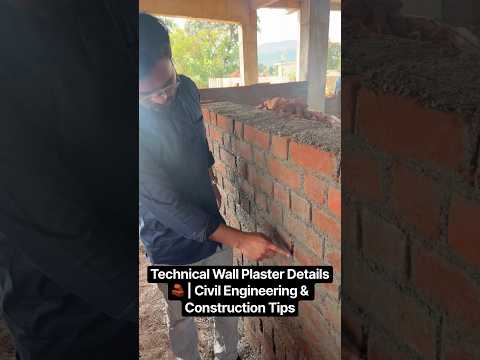
Wall plastering is often viewed merely as a cosmetic finish designed to make surfaces look presentable. However, in civil engineering, plastering serves a crucial functional purpose: protecting masonry from environmental wear, moisture ingress, and structural deterioration. When executing construction projects, relying on accurate engineering technical data is critical for achieving both long-term structural integrity and a flawless aesthetic finish.

Essential Mix Ratios and Layer Thickness

A successful plastering job begins with the correct material proportions and dimensional accuracy. For internal walls, a cement-to-sand ratio of 1:4 or 1:6 is typically specified, depending on the surface exposure and project specifications. External walls, which face harsher weather conditions, often require a two-coat system or waterproofing additives to prevent moisture infiltration.

Standard guidelines suggest a plaster thickness of 12 mm for smooth brick surfaces and 15 mm to 20 mm for uneven blockwork or rough concrete surfaces. Adhering to precise engineering technical data regarding mix design and layer thickness ensures the mortar maintains optimal bond strength, workability, and crack resistance.

Surface Preparation and Curing Protocols

The quality of plaster application depends heavily on proper site preparation and rigorous post-application care:

  1. Surface Hacking and Cleaning: Concrete columns and beams must be properly hacked (roughened) to create a strong mechanical bond. Dust, oil, and loose particles must be washed off before applying the mortar coat.
  2. Pre-Wetting the Substrate: Masonry units must be adequately saturated with water prior to plastering. This prevents the dry bricks from absorbing moisture from the fresh plaster, which can weaken the final strength.
  3. Controlled Curing: Curing is vital for hydration. Plastered surfaces should be kept continuously moist for a minimum of 7 to 10 days to reach maximum compressive strength and prevent surface crazing.

Conclusion

Neglecting technical details during the plastering phase often leads to costly defects such as efflorescence, hollowness, and shrinkage cracks. By leveraging reliable engineering technical data throughout the preparation, mixing, and curing stages, civil engineers and contractors can guarantee durable, high-quality walls that stand the test of time.

Essential Rebar Tying Techniques for Stronger Civil Engineering Infrastructure

...

Building safe, durable, and resilient civil engineering infrastructure requires meticulous attention to detail at every stage of construction. Among the foundational processes that ensure a structure's long-term stability, rebar placement and tying stand out as critical skills. Reinforced concrete relies heavily on an internal framework of steel rebar to withstand tensile forces, and securing these bars properly before pouring concrete is essential.

In this guide, we break down a simple yet highly effective construction trick: tying rebar using folded binding wire for maximum hold, speed, and efficiency.

Why Proper Rebar Tying Matters

When constructing modern civil engineering infrastructure, steel reinforcement bars must remain firmly in place during concrete pouring and mechanical compaction. If rebar shifts or detaches under pressure, it can compromise structural integrity, leading to internal cracks, reduced load-bearing capacity, or long-term structural degradation. Utilizing reliable tying techniques guarantees that the steel reinforcement grid maintains its exact design parameters throughout the construction process.

The "Fold, Twist, Secure" Technique

Achieving a rock-solid rebar joint doesn't have to be complex or time-consuming. By mastering the folded binding wire method, site workers and engineers can significantly speed up workflow while improving joint tension. Here is how the process works step-by-step:

  1. Fold: Take a strand of annealed binding wire and fold it in half. Doubling the wire increases its tensile strength while creating a handy loop that makes wrapping around thick rebar intersections much easier.
  2. Twist: Wrap the folded wire beneath the rebar intersection. Insert your tying tool—such as a manual twister or hook—through the loop and wire ends, pulling upward while applying a consistent twisting motion.
  3. Secure: Continue twisting until the wire grips the rebar tightly, locking the junction in place without over-tightening to the point of breaking the wire.

Elevating Quality in Construction Projects

Seemingly small site techniques like the "Fold, Twist, Secure" method play a massive role in the overall quality of modern civil engineering infrastructure. By standardizing efficient, high-precision habits on the project floor, construction teams can save valuable labor time, minimize material failure, and guarantee safer, longer-lasting structures for years to come.

Avoid Costly Construction Mistakes: The Engineering IT Guide to Main Gate Side Channels

...

When building your dream home, the main gate is more than just an entry point; it is the first impression of your property and a critical security feature. However, many homeowners and contractors overlook the technical nuances of installation, leading to functional failures down the line. By applying principles of Engineering IT and structural precision, you can ensure your gate remains sturdy and smooth for decades.

The Importance of Side Channel Alignment

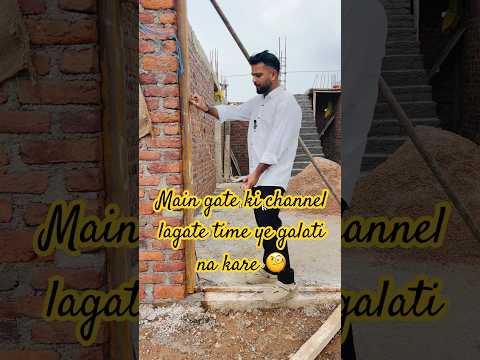
The side channel is the backbone of a sliding or swing gate. It provides the track and support necessary for the gate to move without friction. A common mistake during house construction is installing these channels without verifying the vertical alignment. In technical terms, ensuring the "plumb" (or sahul) is perfect is non-negotiable. If the side channel is even a few millimeters off-center, it can lead to the gate sagging, grinding, or putting unnecessary pressure on the motor and hinges.

Integrating Engineering IT into Modern Construction

In the modern era, construction is no longer just about manual labor; it is about data-driven precision. Professional contractors now utilize Engineering IT solutions to model gate weights, wind resistance, and structural loads before a single brick is laid. This intersection of information technology and civil engineering allows for a more calculated approach to installation, ensuring that the materials used for your side channels are compatible with the weight of the gate.

Tips for a Flawless Installation

To avoid common pitfalls, follow these expert recommendations: 1. Check the Plumb Line: Always use a plumb bob or a digital level to ensure the side channel is perfectly vertical. 2. Secure the Foundation: The base of the side channel must be anchored into a solid concrete foundation to prevent shifting over time. 3. Rust Prevention: Ensure the channels are treated with anti-corrosive coatings before they are embedded into the masonry.

By leveraging Engineering IT standards during the planning phase, you can identify potential structural weaknesses early. This proactive approach saves you from the "construction mistakes" often seen in viral videos where gates fall or fail shortly after the project is completed.

Conclusion

Installing a main gate side channel requires more than just a hammer and some cement. It requires a commitment to precision and an understanding of structural mechanics. By focusing on alignment and using modern technical insights, you can guarantee a main gate that is as functional as it is beautiful. Don't let a simple installation error ruin your home’s curb appeal—get the engineering right the first time.

Engineering IT

The Future of Construction: How Engineering IT Enhances Site Design and Building

...

The landscape of modern construction is changing rapidly. No longer is civil engineering confined to physical blueprints and manual calculations. Today, the intersection of traditional site work and digital innovation—often referred to as Engineering IT—is reshaping how we design, build, and maintain our structures. At Bunyad, we focus on providing practical knowledge that bridges the gap between field experience and technical excellence.

The Role of Digital Precision in Structural Design

Before any ground is broken, the success of a project is determined in the design phase. Modern structural engineering relies heavily on sophisticated software to simulate stress tests, load distributions, and material durability. By integrating Engineering IT solutions into the planning stage, engineers can identify potential flaws before they become costly site errors. This digital foresight ensures that every pillar and beam is optimized for maximum safety and efficiency.

Mastering Site Work and Practical Construction

While digital tools are essential, the heart of civil engineering remains on the construction site. Proper site work involves a deep understanding of soil conditions, foundation types, and masonry techniques. Whether you are working on a residential home or a commercial complex, following standardized building codes is non-negotiable.

Key site work tips include: * Soil Testing: Always verify the load-bearing capacity of the earth before laying a foundation. * Material Quality: Use high-grade steel and concrete mixes to ensure the longevity of the structure. * Structural Integrity: Pay close attention to the reinforcement details provided in the structural drawings.

Optimizing Workflows through Engineering IT

Efficiency on a construction site is driven by clear communication and accurate data. The adoption of Engineering IT allows project managers to track progress in real-time, manage inventory, and ensure that the building process aligns with the original architectural vision. This synergy between technology and labor reduces waste and ensures that projects are completed on schedule and within budget.

Conclusion

Building a solid future requires a combination of "boots on the ground" experience and modern technological tools. By staying updated with the latest trends in civil engineering and construction tips, professionals can ensure their projects stand the test of time. Bunyad is dedicated to bringing you this essential building knowledge, helping you master everything from the basics of site work to the complexities of structural design.

Engineering IT