Transitioning from a mid-level developer to a senior software engineer requires more than just writing clean code. It demands the ability to architect scalable, resilient, and efficient software systems. Whether you are preparing for high-stakes technical interviews or building complex applications from scratch, having a structured approach is essential. This engineering design guide provides the foundational framework you need to approach system design problems with confidence.
Understanding the Core Principles of System Design
System design isn't about memorizing specific architectures; it's about understanding trade-offs and making informed technical decisions. Senior engineers stand out because they evaluate constraints, anticipate failure points, and design systems that scale gracefully under pressure.
To master this process, developers must move away from ad-hoc solutions and embrace a systematic methodology. By following a structured engineering design guide, you can break down overwhelming architectural challenges into manageable, step-by-step components.
The 5-Step Framework for System Architecture
A successful architectural design process generally follows a clear, practical flow:
- Clarify Requirements: Define both functional (what the system does) and non-functional (latency, availability, security) requirements.
- Estimate Scale: Calculate data storage, throughput, and network bandwidth to inform your hardware and database choices.
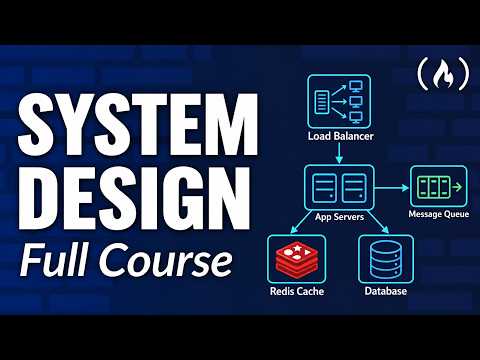
- Define High-Level Architecture: Sketch key components such as API gateways, load balancers, application servers, and databases.
- Deep-Dive into Key Components: Focus on data schemas, caching strategies (e.g., Redis), message queues (e.g., Kafka), and microservice interactions.
- Identify Bottlenecks & Trade-Offs: Pinpoint single points of failure, address scalability limits, and justify your technical choices.
Thinking Like a Senior Engineer
When evaluating system options, senior engineers know there is rarely a single "correct" answer. Every decision involves compromises—such as choosing between SQL consistency and NoSQL scalability, or balancing short-term implementation speed with long-term maintainability.
By internalizing these principles, this practical engineering design guide empowers you to articulate your technical reasoning clearly, justify your design choices, and confidently tackle senior-level software engineering challenges. Start applying this framework today to elevate your software architecture skills and advance your engineering career.


