Showing posts with label Structural Engineering. Show all posts

Structural Engineering Explained: How Engineering IT Keeps Our World Standing

online engineering degree/engineering degree online/online engineering courses/engineering technology online/engineering courses online/engineering technician degree online/online engineering technology/electronic engineering online

Have you ever looked at a towering skyscraper or a massive suspension bridge and wondered, how does that stay up? Behind every majestic structure that withstands heavy winds, earthquakes, and daily wear and tear is a team of structural engineers. But in today's digital era, the secret weapon behind these complex physical feats isn't just concrete and steel—it is modern Engineering IT.

What Does a Structural Engineer Do?

At its core, structural engineering is a specialized branch of civil engineering focused on designing the "framework" or "skeleton" of physical structures. While architects focus on aesthetics, shape, and spatial functionality, structural engineers ensure the design can physically support its own weight and withstand external forces.

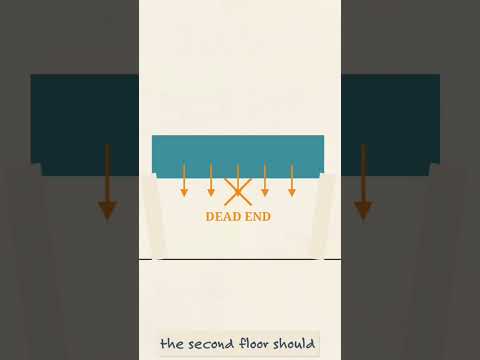
Their main responsibilities include: - Analyzing Loads: Calculating dead loads (the weight of the structure itself) and live loads (people, vehicles, furniture, weather elements). - Material Selection: Choosing the right combination of steel, concrete, timber, or composite materials for durability and safety. - Risk Mitigation: Designing buildings to endure extreme events such as hurricanes, soil shifts, and seismic activity.

The Role of Engineering IT in Modern Structural Design

Gone are the days when engineers relied solely on hand calculations and physical blueprints. Today, robust Engineering IT solutions form the backbone of structural analysis and design.

Advanced computational tools allow engineers to build 3D digital models long before ground is broken. Software powered by high-performance Engineering IT infrastructure enables complex Finite Element Analysis (FEA) and Building Information Modeling (BIM). Through these digital simulations, engineers can stress-test structural integrity under virtual extreme conditions, predicting potential failures and optimizing safety efficiently.

From automated load calculations to cloud-based collaboration between architects and field contractors, information technology has revolutionized how physical safety is guaranteed.

Building the Future Together

Structural engineering is the invisible force keeping our urban landscapes safe and functional. By combining fundamental physics with cutting-edge technology, engineers ensure that every bridge, stadium, and skyscraper is built to last. As cities grow taller and designs become more complex, the partnership between structural engineering and digital technology will continue to shape the world of tomorrow.

Mastering Post-Tension Slab Design: Why Drop Panels and Engineering IT Matter

online engineering degree/engineering degree online/online engineering courses/engineering technology online/engineering courses online/engineering technician degree online/online engineering technology/electronic engineering online

In the modern world of structural design, Post-Tension (PT) slabs have become a gold standard for creating long-span floors with reduced thickness. However, as slabs become thinner and more efficient, structural engineers must address specific localized stresses. One of the most critical components in managing these forces is the "Drop Panel."

What is a Drop Panel?

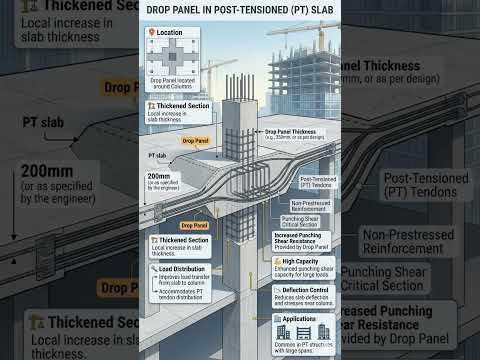
A drop panel in a PT slab is a locally thickened portion of the concrete slab provided specifically around the support columns. While the rest of the floor maintains a uniform, slender profile, the area immediately surrounding the column is cast deeper. This geometric adjustment is not just for aesthetics; it serves a vital structural purpose.

The Role of Punching Shear Resistance

The primary reason engineers specify drop panels is to improve "punching shear" resistance. In a flat slab system, the concentrated load from the floor can act like a heavy weight on a thin sheet of paper, potentially causing the column to "punch" through the slab.

By increasing the thickness at the column-slab interface, the drop panel increases the shear perimeter. This distributes the stress over a larger area, significantly reducing the risk of structural failure. With the advancement of Engineering IT, modern civil projects can now simulate these stress points with incredible accuracy before a single drop of concrete is poured.

Precision Design through Engineering IT

The integration of Engineering IT has revolutionized how we calculate the dimensions and reinforcement requirements for drop panels. Gone are the days of purely manual approximations. Today, sophisticated structural analysis software—a core pillar of Engineering IT—allows engineers to model complex PT tendon layouts and visualize shear force distributions in real-time. This ensures that drop panels are neither undersized (which is dangerous) nor oversized (which is wasteful).

Key Benefits of Drop Panels in PT Slabs

  1. Enhanced Stiffness: They reduce the deflection of the slab, providing a more stable floor.
  2. Material Efficiency: They allow the rest of the slab to remain thin, saving on total concrete volume.
  3. Moment Resistance: They help in resisting negative moments at the supports, which are highest at the column locations.

Conclusion

Drop panels are an essential feature for any high-performance Post-Tension slab. By combining traditional structural wisdom with the analytical power of modern Engineering IT, construction professionals can build safer, more efficient, and more ambitious structures than ever before. Understanding these "locally thickened" sections is key to mastering the art of modern civil engineering.

Avoid Costly Construction Mistakes: The Engineering IT Guide to Main Gate Side Channels

online engineering degree/engineering degree online/online engineering courses/engineering technology online/engineering courses online/engineering technician degree online/online engineering technology/electronic engineering online

When building your dream home, the main gate is more than just an entry point; it is the first impression of your property and a critical security feature. However, many homeowners and contractors overlook the technical nuances of installation, leading to functional failures down the line. By applying principles of Engineering IT and structural precision, you can ensure your gate remains sturdy and smooth for decades.

The Importance of Side Channel Alignment

The side channel is the backbone of a sliding or swing gate. It provides the track and support necessary for the gate to move without friction. A common mistake during house construction is installing these channels without verifying the vertical alignment. In technical terms, ensuring the "plumb" (or sahul) is perfect is non-negotiable. If the side channel is even a few millimeters off-center, it can lead to the gate sagging, grinding, or putting unnecessary pressure on the motor and hinges.

Integrating Engineering IT into Modern Construction

In the modern era, construction is no longer just about manual labor; it is about data-driven precision. Professional contractors now utilize Engineering IT solutions to model gate weights, wind resistance, and structural loads before a single brick is laid. This intersection of information technology and civil engineering allows for a more calculated approach to installation, ensuring that the materials used for your side channels are compatible with the weight of the gate.

Tips for a Flawless Installation

To avoid common pitfalls, follow these expert recommendations: 1. Check the Plumb Line: Always use a plumb bob or a digital level to ensure the side channel is perfectly vertical. 2. Secure the Foundation: The base of the side channel must be anchored into a solid concrete foundation to prevent shifting over time. 3. Rust Prevention: Ensure the channels are treated with anti-corrosive coatings before they are embedded into the masonry.

By leveraging Engineering IT standards during the planning phase, you can identify potential structural weaknesses early. This proactive approach saves you from the "construction mistakes" often seen in viral videos where gates fall or fail shortly after the project is completed.

Conclusion

Installing a main gate side channel requires more than just a hammer and some cement. It requires a commitment to precision and an understanding of structural mechanics. By focusing on alignment and using modern technical insights, you can guarantee a main gate that is as functional as it is beautiful. Don't let a simple installation error ruin your home’s curb appeal—get the engineering right the first time.

Engineering IT