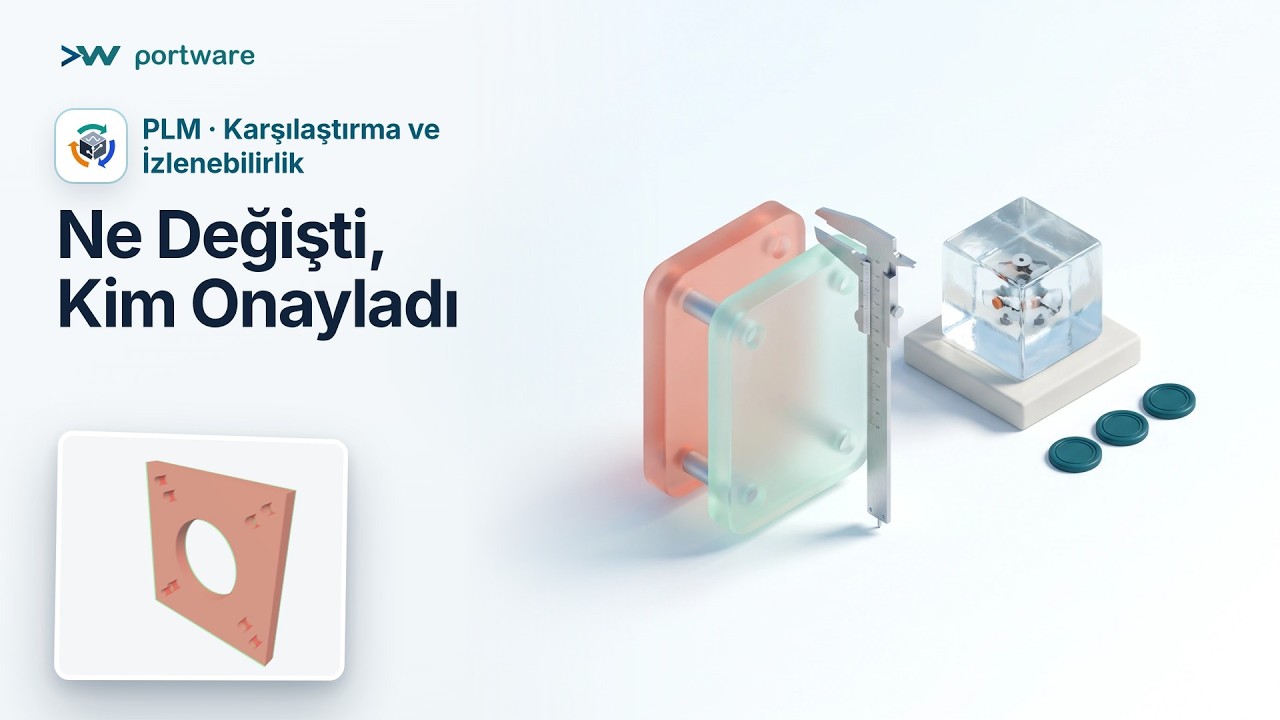
Mastering Change Management: How a Robust PLM System Ensures Aerospace Quality
This article provides an in-depth exploration of PLM system, covering foundational concepts, practical applications, and engineering insights.
Modern manufacturing and engineering environments demand absolute precision, especially in compliance-heavy industries like aerospace. Managing product updates, engineering change orders, and revision histories manually can quickly lead to costly errors and operational delays. This is where implementing an enterprise-grade PLM system (Product Lifecycle Management) becomes essential for maintaining full transparency, traceability, and quality control across the product lifecycle.
Precise Impact Analysis and Revision Comparison
Every design modification triggers a ripple effect across production, procurement, and compliance testing. Before deploying any structural change, engineering teams must conduct a thorough impact analysis. A modern PLM system enables teams to measure and visually compare two revisions side by side, ensuring that no unaccounted changes slip into production.
Furthermore, establishing a dondurulmuş (frozen) baseline protects critical design milestones. This provides a stable, immutable reference point while subsequent iterations undergo testing, preventing premature manufacturing or unauthorized edits.
Governance, Sign-Offs, and Aerospace-Grade Quality
Understanding "what changed" is only half the challenge—knowing "who approved it" ensures regulatory compliance and accountability. In high-stakes environments adhering to aerospace quality standards, revision validity must be strictly enforced.
Digital workflows automate governance through formal committee sign-offs and digital board approvals. Every modification is meticulously logged, verified, and backed by auditable signatures. This guarantees that only fully validated, compliant design updates advance to the manufacturing floor.
Achieving Seamless Traceability
Ultimately, controlling the evolution of complex products requires structured lifecycle governance. By leveraging a centralized PLM system, organizations eliminate guesswork, accelerate approval cycles, and maintain audit-ready documentation at every stage. Whether you are aiming for aerospace-grade compliance or simply seeking to eradicate revision chaos, structured lifecycle management provides the foundation needed to innovate with confidence.


