Showing posts with label IoT Development. Show all posts

Mastering Engineering IT: The Essential Setup Guide for IoT Systems

...

Building a successful project in the Internet of Things (IoT) requires more than just hardware knowledge; it demands a robust and professional software foundation. In the rapidly evolving landscape of Engineering IT, having a streamlined development environment is the primary factor that separates professional-grade systems from simple hobbyist prototypes.

Whether you are a student or a professional looking to sharpen your technical stack, this guide covers the essential tools needed to master the software side of IoT development.

The Power of VS Code for IoT

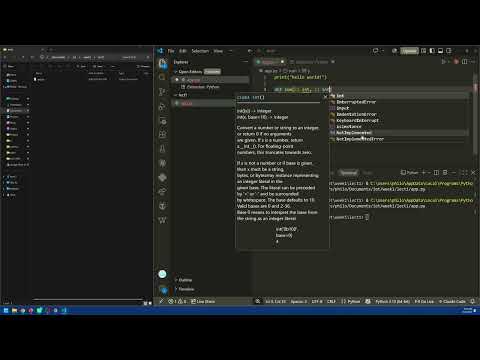
Visual Studio Code (VS Code) has become the industry standard for modern developers. It is lightweight, versatile, and highly customizable. For those working within the realm of Engineering IT, VS Code offers powerful extensions like the Python extension and Pylance, which provide intelligent code completion and real-time error checking. This environment allows you to write, test, and debug code for your sensors and microcontrollers all within a single, unified interface.

Python: The Backbone of Smart Systems

Python remains the most popular language for IoT for several reasons: its readability, extensive library support, and massive community. From data analysis to controlling hardware pins on a Raspberry Pi, Python acts as the bridge between raw data and actionable insights. By integrating Python into your workflow, you ensure that your projects are scalable and easy to maintain, which is a core principle of effective Engineering IT practices.

Version Control with Git and GitHub

No engineering project is complete without a way to track changes and collaborate. Git is an essential tool for version control, allowing you to "save" snapshots of your code as you progress. By hosting your repositories on GitHub, you not only protect your work from accidental loss but also open the door to collaboration and professional portfolio building. Understanding how to branch, commit, and push code is a non-negotiable skill for anyone serious about the field.

Conclusion

Setting up your environment correctly is the first step toward building complex, reliable IoT systems. By mastering VS Code, Python, and Git, you are not just learning tools; you are building the professional workflow required to excel in the world of modern engineering. Get your environment ready today and start building the future of connected technology!

Online Tutorials for Embedded Systems Engineering

...

If you are looking to improve your skills in Embedded Systems Engineering, online tutorials are one of the best ways to learn step-by-step. These tutorials help learners understand microcontrollers, firmware development, real-time operating systems (RTOS), and hardware–software integration in a practical and efficient way.

Why Learn Embedded Systems Online?

Online learning platforms provide flexible and accessible resources for both beginners and professionals. Many courses include video lessons, coding examples, circuit simulations, and hands-on exercises that make complex topics easier to understand. By learning online, you can explore embedded C programming, PCB design, IoT development, and system debugging at your own pace.

Popular Topics in Embedded Systems Tutorials

  • Microcontroller Programming: Learn Arduino, STM32, PIC, and ESP32 development with practical examples.
  • Embedded C & C++: Understand low-level programming for hardware control.
  • RTOS Fundamentals: Explore FreeRTOS, task scheduling, and real-time application design.
  • IoT Systems: Build connected devices using MQTT, WiFi modules, sensors, and cloud platforms.
  • Hardware Interfacing: Study communication protocols such as SPI, I2C, UART, and CAN bus.

Benefits of Learning Embedded Systems Through Online Tutorials

Online tutorials allow learners to follow clear instructions, practice with downloadable code examples, and experiment with virtual labs or simulations. These resources help learners gain confidence in designing embedded applications, debugging firmware, and optimizing hardware performance.

Recommended Platforms for Embedded Systems Tutorials

  • Coursera – Embedded Systems Specialization
  • Udemy – Microcontroller & IoT Courses
  • edX – Real-Time Embedded Systems
  • YouTube – Free Tutorials and Hands-on Projects
  • MIT OpenCourseWare – Engineering and Embedded Systems Topics

Conclusion

Whether you're starting your journey or improving your professional skills, online tutorials for embedded systems engineering offer high-quality learning materials. With the right resources, you can build real embedded applications, master programming techniques, and advance your career in the growing field of electronics and IoT development.