Showing posts with label Software Engineering. Show all posts

Cracking the Code: Why Engineering Software Professionals Struggle to Get Hired (And How to Fix It)

online engineering degree/engineering degree online/online engineering courses/engineering technology online/engineering courses online/engineering technician degree online/online engineering technology/electronic engineering online
engineering information technology
Cracking the Code: Why Engineering Software Professionals Struggle to Get Hired (And How to Fix It)

Cracking the Code: Why Engineering Software Professionals Struggle to Get Hired (And How to Fix It)

This article provides an in-depth exploration of Engineering software, covering foundational concepts, practical applications, and engineering insights.

Sending out hundreds—or even thousands—of job applications without receiving a single interview invitation is an exhausting reality for many tech professionals today. You’ve spent years mastering programming languages and building projects, yet your inbox remains empty. What gives? When experienced recruiters audit these resumes, a clear pattern emerges: mass applying rarely works, and generic resumes are instantly filtered out by modern hiring platforms.

The Flaw of Mass Applying in Tech

Many job seekers assume that landing a position in tech is purely a numbers game. They set up automated scripts or spend hours clicking "Easy Apply" across various job portals. However, recruiters aren't looking for applicants who simply want any job; they want candidates tailored specifically to their team's stack and goals. If you are serious about engineering software that drives business value, your application must showcase targeted expertise rather than broad, uninspired bullet points.

Common Resume Mistakes Holding You Back

When recruiters review resumes from candidates who have submitted over 1,000 applications without success, they consistently uncover the same critical flaws:

  • Focusing on Responsibilities Instead of Results: Listing basic job duties (e.g., "wrote frontend code") fails to impress. Instead, highlight quantifiable outcomes (e.g., "optimized database queries, reducing page load times by 35%").
  • Missing ATS Keywords: Modern Applicant Tracking Systems (ATS) filter out candidates who do not match core competencies. If your resume lacks the key terms critical to engineering software applications, a human recruiter may never even see it.
  • Cluttered and Unfocused Layouts: Recruiters spend an average of six seconds on an initial resume scan. If your technical stack and key achievements aren't immediately obvious, your application gets passed over.

How to Turn Your Application Strategy Around

To break the cycle of endless rejection, shift your strategy from quantity to quality. Instead of sending out 50 generic resumes a day, send five highly tailored applications. Customize your summary and work history to align with the specific job description. Highlight projects where you led the process of engineering software solutions, quantify your results, and ensure your LinkedIn profile mirrors your updated resume. By taking a strategic, targeted approach, you will stand out in a crowded market and turn those silent rejections into actual interview requests.


🎬 Related Video Reference

Rethinking CAD Data: How a Solo Developer Built a Geometry Kernel from Scratch

online engineering degree/engineering degree online/online engineering courses/engineering technology online/engineering courses online/engineering technician degree online/online engineering technology/electronic engineering online

In recent years, the conversation surrounding artificial intelligence in Computer-Aided Design (CAD) has exploded. However, much of the industry hype around "AI for CAD" often boils down to superficial wrappers built over legacy software engines. To achieve real innovation, developers need to go deeper into the underlying architecture—starting with how systems process and manage modern CAD data.

Getting Closer to the Engine Room

While major tech platforms focus on surface-level automation, solo developer Lewis Valentine took a radically different path. Instead of tweaking existing tools, Valentine tackled one of the most challenging feats in software engineering: building a custom geometry kernel and a standalone CAD program entirely from scratch.

Legacy CAD systems, developed decades ago, were never designed for modern parallel computing or direct AI integration. By reinventing the engine room from the ground up, modern developers can optimize how complex CAD data is computed. This ground-up approach leads to dramatically faster rendering, cleaner parametric geometry, and unprecedented computational efficiency.

Why Native Innovation Trumps AI Wrappers

Slapping an AI prompt interface onto legacy software might offer temporary convenience, but it fails to solve foundational bottleneck problems. When AI algorithms interact with outdated geometric engines, the resulting models often suffer from translation errors and broken topological relationships.

To unlock true automation capabilities, software must interact natively with well-structured, high-fidelity CAD data. Projects like Valentine's demonstrate that light, modern geometry kernels create a robust foundation where next-generation algorithms can operate seamlessly, free from the weight of 30-year-old technical debt.

The Next Evolution of Design Tools

Lewis Valentine's ambitious project highlights a crucial shift in engineering software: meaningful progress happens when you control the underlying core engine. As manufacturing and design industries demand higher performance, independent developments are paving the way for lighter, faster, and more versatile tools.

Whether you are a developer, mechanical engineer, or tech enthusiast, watching the birth of a brand-new geometry engine offers an exciting preview into the future of modern design platforms.

Mastering Engineering Software: The Ultimate Career and Technical Guide

online engineering degree/engineering degree online/online engineering courses/engineering technology online/engineering courses online/engineering technician degree online/online engineering technology/electronic engineering online
engineering information technology
Mastering Engineering Software: The Ultimate Career and Technical Guide

Mastering Engineering Software: The Ultimate Career and Technical Guide

This article provides an in-depth exploration of Engineering software, covering foundational concepts, practical applications, and engineering insights.

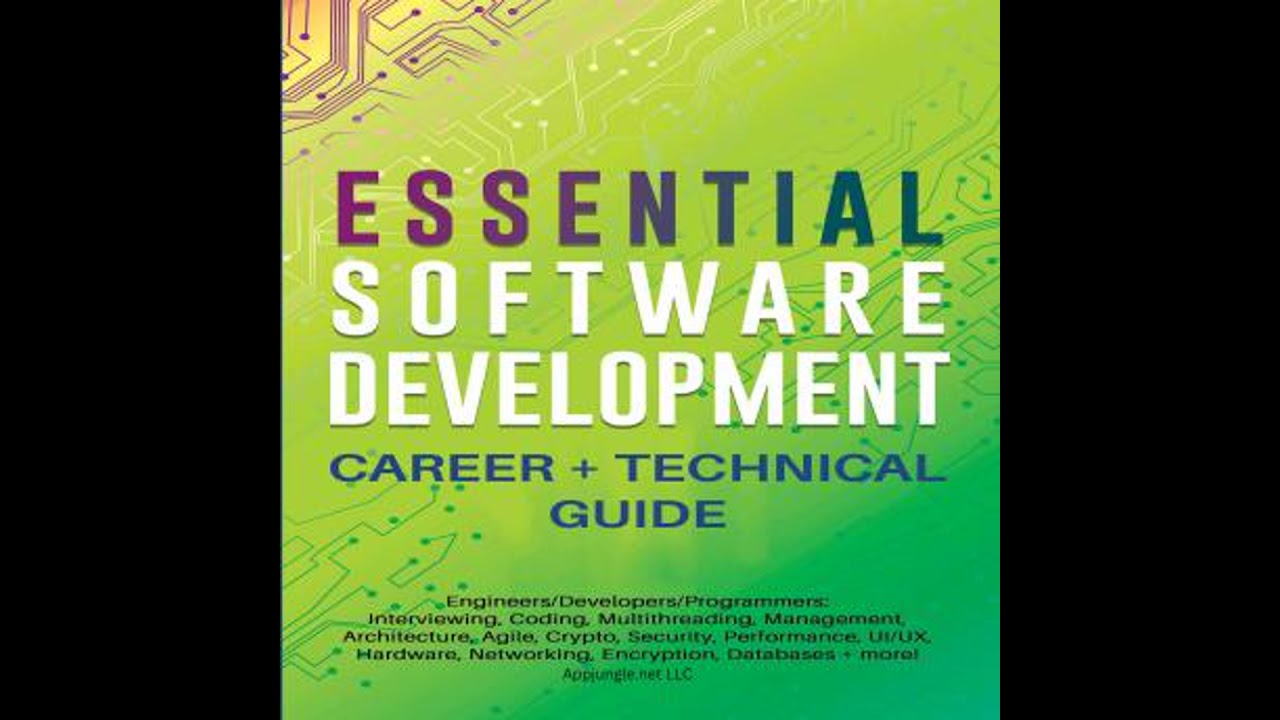
In today’s fast-paced digital ecosystem, building a successful career in tech requires more than just basic coding knowledge. To truly excel, modern developers must master both the complex mechanics of engineering software and the strategic principles of professional growth. Whether you are an aspiring developer writing your first lines of code or a seasoned practitioner aiming for a leadership role, having a structured guide is crucial for navigating the evolving industry landscape.

Mastering the Technical Foundations

At the core of software development lies technical excellence. Understanding how to design, build, and maintain high-performing engineering software demands a deep grasp of architecture, clean code principles, and system scalability. Today's software professionals must also stay ahead of trends in cloud infrastructure, automated testing, and modern DevOps practices. By continuously refining your technical toolkit, you ensure that the systems you build remain robust, secure, and maintainable over time.

Strategic Career Planning for Developers

While technical expertise opens doors, strategic career management is what sustains long-term growth. Moving up the professional ladder involves far more than just submitting pull requests; it requires developing strong soft skills, business acumen, and project leadership. Key strategies for career advancement include:

  • Effective Communication: Translating complex technical architecture into actionable insights for non-technical stakeholders.
  • Leadership and Mentorship: Guiding junior team members and taking ownership of technical decision-making.
  • Strategic Networking: Engaging with the developer community and staying informed about industry shifts.

Accelerating Growth Through Continuous Learning

The tech industry evolves at a breakneck speed, making continuous learning a necessity rather than an option. Utilizing flexible educational resources—such as targeted audiobooks, technical guides, and online courses—allows developers to absorb complex ideas while balancing busy schedules. By regularly exposing yourself to high-level industry knowledge and practical career insights, you can accelerate your growth and remain competitive in a dynamic job market.

By balancing hands-on technical mastery with smart career planning, you can create a clear, actionable path toward a fulfilling and lucrative career in software engineering.


🎬 Related Video Reference

Mastering the Basics: A Beginner's Guide to Engineering Software

online engineering degree/engineering degree online/online engineering courses/engineering technology online/engineering courses online/engineering technician degree online/online engineering technology/electronic engineering online
engineering information technology
Mastering the Basics: A Beginner's Guide to Engineering Software

Mastering the Basics: A Beginner's Guide to Engineering Software

This article provides an in-depth exploration of Engineering software, covering foundational concepts, practical applications, and engineering insights.

In today’s technology-driven world, software powers almost every device and platform we interact with daily. From mobile applications to massive enterprise platforms, the demand for skilled tech professionals is higher than ever. If you are starting your journey in computer science, understanding how to design, develop, and maintain engineering software is a vital step toward a successful technical career.

What is Software Engineering?

Software engineering is a systematic, disciplined, and quantifiable approach to computer software development. While basic coding focuses on writing functional scripts, engineering software involves applying structured engineering principles to build robust, scalable, and secure systems.

It transforms abstract ideas into practical solutions through clear design methodologies, thorough testing, and long-term maintenance strategies.

Core Phases of the Software Development Process

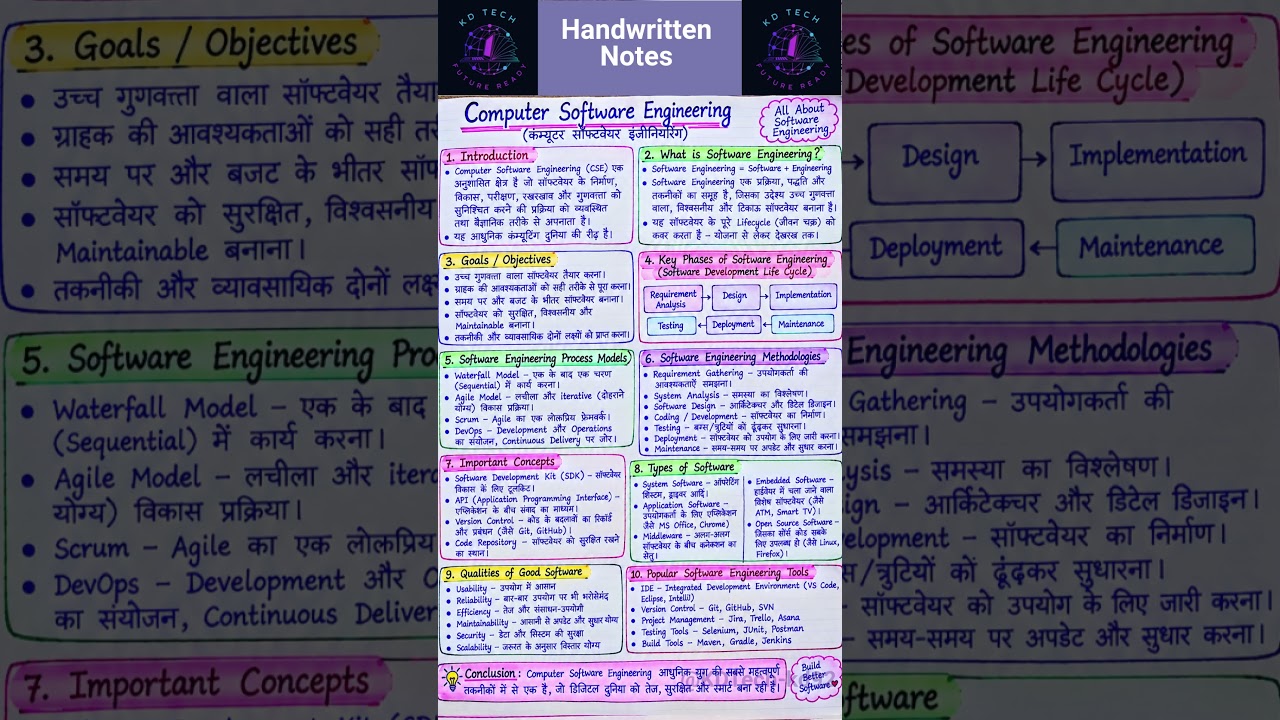
Building complex software applications requires following a structured workflow known as the Software Development Life Cycle (SDLC). The primary phases include:

  • Requirement Gathering: Understanding user needs and project goals.
  • System Design: Defining architecture, databases, and user interfaces.
  • Implementation: Writing clean, efficient code using modern programming languages.
  • Testing: Identifying bugs and verifying system performance.
  • Deployment & Maintenance: Releasing the product and delivering ongoing updates.

Following these established stages ensures that modern engineering software remains reliable, efficient, and maintainable over time.

Tips for Mastering Software Engineering Basics

If you are a student learning software engineering for the first time, consider these effective strategies:

  • Use Handwritten Notes: Writing down key definitions, system diagrams, and core concepts by hand aids long-term memory retention and conceptual understanding.
  • Focus on Core Concepts: Prioritize understanding logic, algorithms, and object-oriented principles over simply memorizing syntax.
  • Practice Regularly: Apply theoretical knowledge by working on small, hands-on programming projects.

By mastering these foundational principles, you will build a solid base for a long and rewarding career in the tech industry.


🎬 Related Video Reference

Mastering Engineering IT: The Essential Setup Guide for IoT Systems

online engineering degree/engineering degree online/online engineering courses/engineering technology online/engineering courses online/engineering technician degree online/online engineering technology/electronic engineering online

Building a successful project in the Internet of Things (IoT) requires more than just hardware knowledge; it demands a robust and professional software foundation. In the rapidly evolving landscape of Engineering IT, having a streamlined development environment is the primary factor that separates professional-grade systems from simple hobbyist prototypes.

Whether you are a student or a professional looking to sharpen your technical stack, this guide covers the essential tools needed to master the software side of IoT development.

The Power of VS Code for IoT

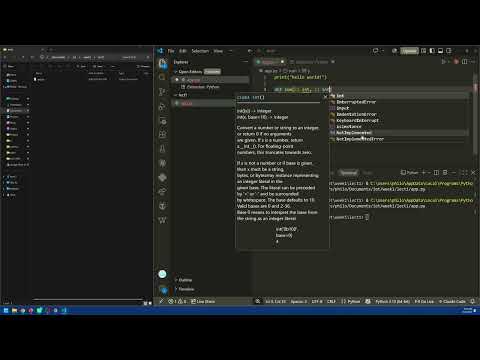
Visual Studio Code (VS Code) has become the industry standard for modern developers. It is lightweight, versatile, and highly customizable. For those working within the realm of Engineering IT, VS Code offers powerful extensions like the Python extension and Pylance, which provide intelligent code completion and real-time error checking. This environment allows you to write, test, and debug code for your sensors and microcontrollers all within a single, unified interface.

Python: The Backbone of Smart Systems

Python remains the most popular language for IoT for several reasons: its readability, extensive library support, and massive community. From data analysis to controlling hardware pins on a Raspberry Pi, Python acts as the bridge between raw data and actionable insights. By integrating Python into your workflow, you ensure that your projects are scalable and easy to maintain, which is a core principle of effective Engineering IT practices.

Version Control with Git and GitHub

No engineering project is complete without a way to track changes and collaborate. Git is an essential tool for version control, allowing you to "save" snapshots of your code as you progress. By hosting your repositories on GitHub, you not only protect your work from accidental loss but also open the door to collaboration and professional portfolio building. Understanding how to branch, commit, and push code is a non-negotiable skill for anyone serious about the field.

Conclusion

Setting up your environment correctly is the first step toward building complex, reliable IoT systems. By mastering VS Code, Python, and Git, you are not just learning tools; you are building the professional workflow required to excel in the world of modern engineering. Get your environment ready today and start building the future of connected technology!

B.Tech to Tech Pro: The Ultimate 4-Year Roadmap for Engineering Software Careers

online engineering degree/engineering degree online/online engineering courses/engineering technology online/engineering courses online/engineering technician degree online/online engineering technology/electronic engineering online
engineering information technology
B.Tech to Tech Pro: The Ultimate 4-Year Roadmap for Engineering Software Careers

B.Tech to Tech Pro: The Ultimate 4-Year Roadmap for Engineering Software Careers

This article provides an in-depth exploration of Engineering software, covering foundational concepts, practical applications, and engineering insights.

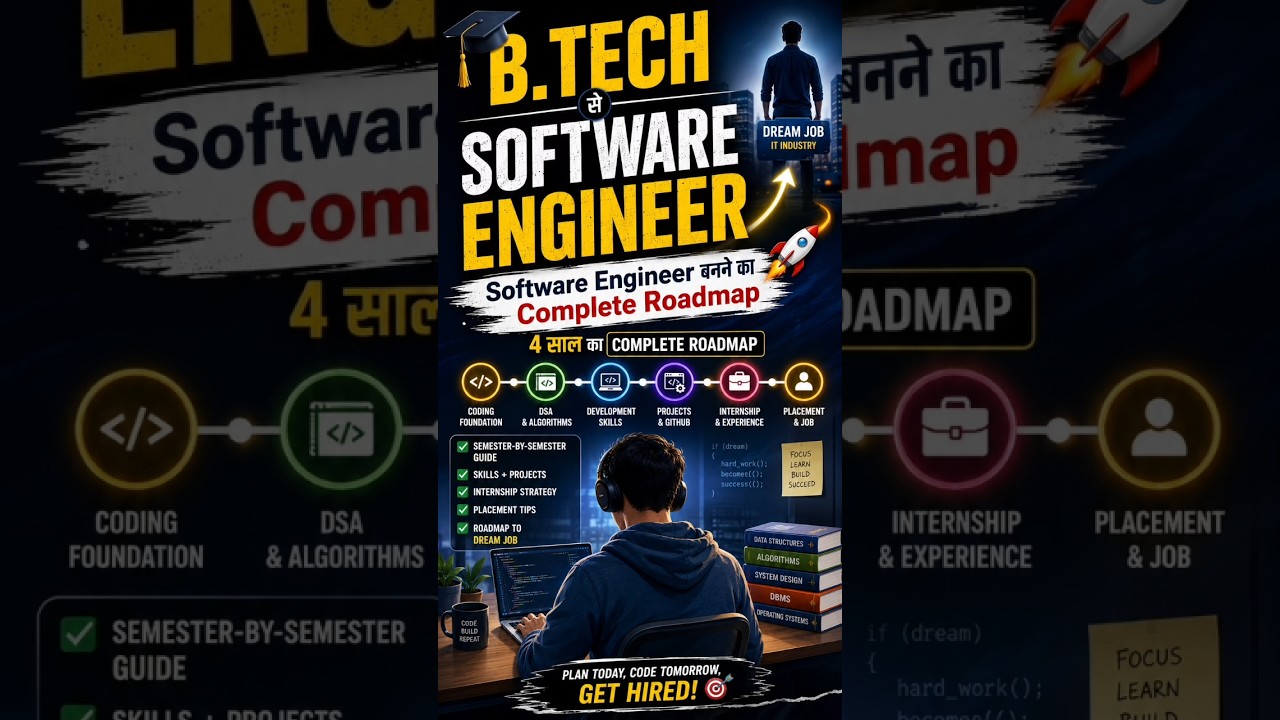
Transitioning from a B.Tech student to a high-paying software developer requires more than just attending college lectures. Without a clear plan, navigating four years of engineering can quickly become overwhelming. To stand out in today's competitive tech industry, you need a structured, semester-by-semester strategy that builds practical skills from day one.

Here is the ultimate 4-year roadmap to guide your journey from student to professional developer.

Year 1: Mastering Fundamentals and Logical Thinking

Your first year is all about breaking the ice with technology and developing a strong problem-solving mindset.
* Learn a Core Language: Pick one foundational language—such as C++, Java, or Python—and master its syntax and core logic.
* Understand Tech Ecosystems: Start exploring how modern engineering software works under the hood, including basic computer networks and operating system concepts.
* Build Consistency: Practice basic coding regularly on platforms like HackerRank or GeeksforGeeks.

Year 2: Data Structures, Algorithms, and Core CS Concepts

Year two is where serious technical preparation begins.
* Master DSA: Focus heavily on Data Structures and Algorithms (DSA). This is the backbone of almost all technical hiring interviews.
* Core CS Subjects: Pay close attention to Object-Oriented Programming (OOP), Database Management Systems (DBMS), and Operating Systems.
* Git & GitHub: Learn version control to manage and showcase your code repositories efficiently.

Year 3: Specialization and Hands-On Projects

By year three, it is time to move beyond theoretical knowledge and start building real-world applications.
* Pick a Tech Stack: Choose a domain such as Full-Stack Web Development, Mobile App Development, Cloud Computing, or Machine Learning.
* Build Projects: Create 2–3 end-to-end projects. Hands-on experience in building, debugging, and deploying applications demonstrates your practical ability to construct reliable engineering software.
* Open Source & Internships: Apply for summer internships and contribute to open-source projects on GitHub to gain industry exposure.

Year 4: Interview Prep, System Design, and Placement

Your final year is dedicated to conversion—turning your preparation into top job offers.
* Advanced DSA & Mock Interviews: Practice competitive programming and learn fundamental System Design principles. Conduct mock interviews to build confidence.
* Resume & Networking: Craft a clean, high-impact resume highlighting your best projects and internship experience. Optimize your LinkedIn profile and reach out for job referrals.
* Target the Right Companies: Apply for roles across tech startups and established enterprises that specialize in developing cutting-edge engineering software.

Final Thoughts

Consistency is the true key to transforming your B.Tech journey into a successful tech career. By breaking down your 4 years into clear semester-wise goals, you can build industry-ready skills step-by-step. Start today, stay disciplined, and take control of your engineering future!

Visual Insights & Illustrations

Engineering software