Showing posts with label Solar Energy. Show all posts

Next-Gen Manufacturing: Inside a High-Tech Smart Factory Crafting Solar Panels

...
engineering information technology
Next-Gen Manufacturing: Inside a High-Tech Smart Factory Crafting Solar Panels

Next-Gen Manufacturing: Inside a High-Tech Smart Factory Crafting Solar Panels

This article provides an in-depth exploration of Smart factory, covering foundational concepts, practical applications, and engineering insights.

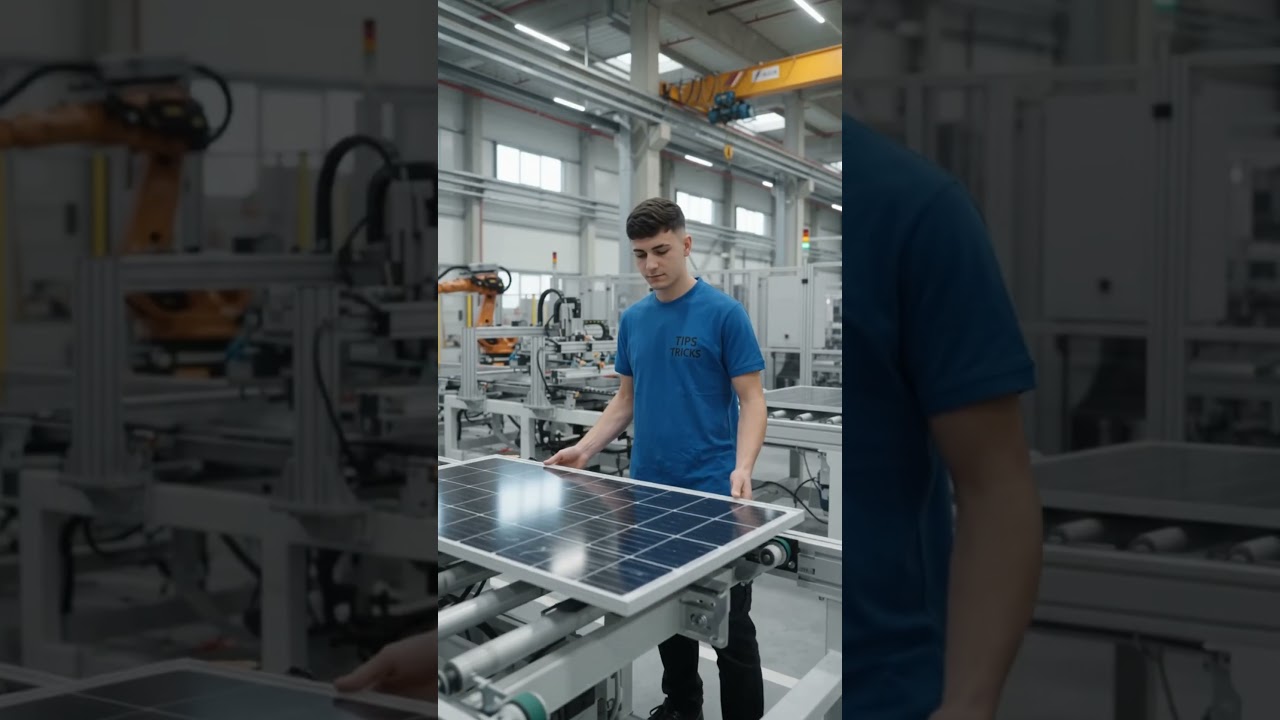
Have you ever wondered how raw materials transform into sleek, high-efficiency solar panels capable of powering millions of homes worldwide? The secret behind this clean energy transformation lies within the walls of cutting-edge production facilities. Today, the manufacturing of solar technology is being revolutionized inside a modern smart factory, where artificial intelligence, robotics, and human ingenuity come together.

Precision Engineering Meets Automation

The journey of a solar panel begins long before it reaches a rooftop. Raw silicon undergoes intricate processes to become ultra-thin photovoltaic wafers, which are then converted into functioning solar cells. In a traditional setup, this process requires heavy manual labor and carries a higher risk of tiny defects.

However, inside an advanced smart factory, automation takes center stage. High-precision industrial robots seamlessly handle delicate materials with micrometric accuracy. Integrated Internet of Things (IoT) sensors monitor temperature, humidity, and machine alignment in real time, ensuring that each cell is assembled with absolute perfection. Furthermore, AI-powered vision systems scan every finished panel for micro-cracks that are completely invisible to the human eye.

Maximizing Efficiency and Sustainability

The transition to smart manufacturing is not just about speed—it is about efficiency and sustainability. Solar panels need to withstand harsh outdoor conditions for decades, making quality control paramount. By leveraging data analytics and automated workflows, smart production lines can drastically reduce material waste, lower energy consumption during manufacturing, and achieve near-zero defect rates.

This high level of optimization enables manufacturers to scale up production rapidly to meet the soaring global demand for renewable energy. As clean technology continues to evolve, the integration of intelligent automation ensures that green energy solutions become more reliable and accessible than ever before.

The Future of Clean Energy Production

The modern smart factory represents a massive leap forward for both the manufacturing sector and the global movement toward sustainability. By combining cinematic precision, automated intelligence, and sustainable design, these facilities are not just building solar panels—they are building the blueprint for a greener future.

🎬 Related Video Reference

Solar System Maintenance: Essential Strategies for Engineering System Repair and Performance

...

Solar power systems are valuable long-term investments that deliver clean, sustainable energy. However, like any advanced infrastructure, keeping a photovoltaic setup running at maximum efficiency requires consistent care and specialized technical knowledge. Whether you are managing a residential installation or a commercial microgrid, understanding the fundamentals of engineering system repair and proactive maintenance is crucial for protecting your investment.

Essential Solar Panel Cleaning and Care

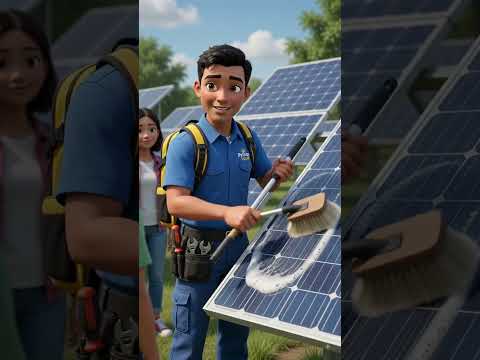
Solar panels are constantly exposed to environmental elements. Accumulated dust, pollen, bird droppings, and industrial debris block sunlight, significantly reducing total energy yield. Routine cleaning using non-abrasive tools and pure water prevents hotspot creation and surface degradation. Furthermore, periodic visual inspections help identify micro-cracks, discolored cells, or structural wear before minor issues escalate into total component failures.

Battery Care and Inverter Optimization

The core of any off-grid or hybrid solar installation lies in its battery storage and inverter setup. Proper thermal management, charge cycle calibration, and continuous battery management system (BMS) monitoring are vital for preventing premature capacity loss. Electrical connections must be inspected regularly for corrosion, loose terminal wiring, or unexpected voltage fluctuations to ensure safe and efficient power conversion.

Recognizing the Need for Engineering System Repair

While routine servicing prevents everyday wear and tear, complex electrical anomalies require advanced diagnostic techniques. Sudden efficiency drops, faulty charge controllers, or degraded insulation mandate professional engineering system repair procedures. Skilled technicians utilize thermal imaging cameras, multimeter diagnostics, and telemetry analysis to pinpoint hidden sub-surface faults accurately. Addressing these technical issues early prevents cascading equipment failure and reduces total operational costs.

Maximizing Your Solar ROI

Maintaining high-performing solar infrastructure requires a balanced strategy of regular preventive maintenance and qualified technical intervention. By staying diligent with system checkups and prioritizing timely engineering system repair, system operators can maximize energy output, extend component longevity, and ensure a reliable energy supply for years to come.

Maximizing Energy Efficiency: How Rooftop Solar and Industrial IT Drive Massive Savings

...
engineering information technology
Maximizing Energy Efficiency: How Rooftop Solar and Industrial IT Drive Massive Savings

Maximizing Energy Efficiency: How Rooftop Solar and Industrial IT Drive Massive Savings

This article provides an in-depth exploration of Industrial IT, covering foundational concepts, practical applications, and engineering insights.

In an era of rising utility costs and a growing emphasis on sustainability, rooftop solar has emerged as a game-changing investment for both residential and commercial sectors. Transitioning to solar energy is no longer just an environmental choice; it is a strategic financial move that offers significant long-term returns. However, the true potential of these installations is unlocked when combined with modern technology.

Understanding the Financial Impact of Rooftop Solar

The primary question most property owners ask is, "How much can I actually save?" On average, a well-designed rooftop solar system can reduce electricity bills by 30% to 70%. For commercial and industrial sectors, where energy consumption is high, these savings can translate into millions of dollars over the system's 25-year lifespan.

Beyond the direct reduction in monthly bills, solar energy provides protection against volatile energy prices. By generating your own power, you become less reliant on the traditional grid, ensuring more predictable operational costs for your home or business.

The Role of Industrial IT in Solar Optimization

While solar panels do the heavy lifting of converting sunlight into electricity, the efficiency of the entire system depends on smart management. This is where Industrial IT plays a crucial role. Modern solar installations utilize advanced software and data analytics to monitor performance in real-time.

By integrating Industrial IT solutions, companies can track energy production, identify hardware inefficiencies, and predict maintenance needs before they lead to downtime. This level of digital oversight ensures that your solar investment is always operating at peak performance, maximizing your Return on Investment (ROI).

Choosing the Right EPC Partner

To achieve these savings, it is essential to work with a reputable Solar EPC (Engineering, Procurement, and Construction) company. Whether you are looking for a residential solar installation or a large-scale commercial project across India, the right partner will handle everything from site assessment to grid synchronization.

A professional EPC provider doesn't just install panels; they design a comprehensive energy ecosystem. By leveraging the latest trends in Industrial IT, these experts provide dashboards and mobile apps that allow you to visualize your savings and energy consumption patterns at the click of a button.

Conclusion

Rooftop solar is a powerful tool for anyone looking to go green while saving green. By combining high-quality hardware with the smart monitoring capabilities of modern technology, you can ensure your energy future is both sustainable and profitable. Now is the perfect time to explore solar solutions and take control of your energy costs.

Visual Insights & Illustrations

Industrial IT
Industrial IT
Industrial IT