Showing posts with label Engineering System Repair. Show all posts

The Science of Machine Lubrication: Essential Tips for Engineering System Repair and Maintenance

...

Have you ever wondered how heavy industrial machinery and delicate mechanical equipment keep running smoothly day after day? The secret behind seamless mechanical performance lies in a simple yet critical process: machine lubrication. Whether it is reducing friction, cooling down hot components, or preventing wear and tear, proper lubrication serves as the lifeblood of industrial machinery.

How Machine Lubrication Works

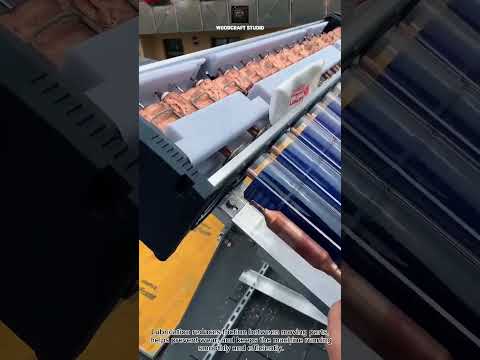
At its core, machine lubrication creates a microscopic protective film between moving metal parts. When two metal surfaces rub directly against each other, microscopic imperfections cause friction, generating extreme heat and rapidly wearing down components.

By introducing a lubricant—such as specialized synthetic oils or greases—this direct contact is minimized. The fluid film absorbs heat, flushes away contaminants, and distributes pressure evenly across component surfaces. Without this vital protective layer, machinery quickly degrades, leading to sudden equipment failure and the immediate need for emergency engineering system repair.

Preventing Costly Breakdowns with Proper Maintenance

Routine lubrication is one of the most effective strategies in preventive maintenance. When industrial equipment runs without adequate oil or grease, internal components can seize up, causing severe structural damage to gears, bearings, and hydraulic systems. Adhering to a strict lubrication schedule drastically reduces operational downtime and extends the overall lifespan of your hardware.

Moreover, choosing the correct lubricant viscosity allows technical teams to optimize energy efficiency. By keeping friction at bay, machines require significantly less power to operate smoothly, saving operational costs while delaying the need for a major engineering system repair.

Key Signs Your Equipment Needs Attention

Even with diligent fluid management, natural wear and tear occurs over time. It is vital to monitor your equipment for early signs of mechanical stress, including:

  • Unusual grinding, whining, or rattling noises during operation
  • Excess heat generation near bearings or gearboxes
  • Dark, contaminated, or leaking fluid
  • Increased vibration levels

Recognizing these warning signs early allows technicians to intervene before complete system failure occurs.

Conclusion

Machine lubrication is far more than routine upkeep; it is a foundational practice that preserves structural integrity and operational performance. By prioritizing proper fluid management and proactive maintenance, facilities can eliminate unexpected shutdowns and maximize productivity. When components eventually wear down, professional engineering system repair ensures your heavy machinery continues to run smoothly for years to come.

Solar System Maintenance: Essential Strategies for Engineering System Repair and Performance

...

Solar power systems are valuable long-term investments that deliver clean, sustainable energy. However, like any advanced infrastructure, keeping a photovoltaic setup running at maximum efficiency requires consistent care and specialized technical knowledge. Whether you are managing a residential installation or a commercial microgrid, understanding the fundamentals of engineering system repair and proactive maintenance is crucial for protecting your investment.

Essential Solar Panel Cleaning and Care

Solar panels are constantly exposed to environmental elements. Accumulated dust, pollen, bird droppings, and industrial debris block sunlight, significantly reducing total energy yield. Routine cleaning using non-abrasive tools and pure water prevents hotspot creation and surface degradation. Furthermore, periodic visual inspections help identify micro-cracks, discolored cells, or structural wear before minor issues escalate into total component failures.

Battery Care and Inverter Optimization

The core of any off-grid or hybrid solar installation lies in its battery storage and inverter setup. Proper thermal management, charge cycle calibration, and continuous battery management system (BMS) monitoring are vital for preventing premature capacity loss. Electrical connections must be inspected regularly for corrosion, loose terminal wiring, or unexpected voltage fluctuations to ensure safe and efficient power conversion.

Recognizing the Need for Engineering System Repair

While routine servicing prevents everyday wear and tear, complex electrical anomalies require advanced diagnostic techniques. Sudden efficiency drops, faulty charge controllers, or degraded insulation mandate professional engineering system repair procedures. Skilled technicians utilize thermal imaging cameras, multimeter diagnostics, and telemetry analysis to pinpoint hidden sub-surface faults accurately. Addressing these technical issues early prevents cascading equipment failure and reduces total operational costs.

Maximizing Your Solar ROI

Maintaining high-performing solar infrastructure requires a balanced strategy of regular preventive maintenance and qualified technical intervention. By staying diligent with system checkups and prioritizing timely engineering system repair, system operators can maximize energy output, extend component longevity, and ensure a reliable energy supply for years to come.