Showing posts with label Industrial IT. Show all posts

Mastering Industrial IT: Expert Plant Engineer Support for Your Technical Needs

...
engineering information technology
Mastering Industrial IT: Expert Plant Engineer Support for Your Technical Needs

Mastering Industrial IT: Expert Plant Engineer Support for Your Technical Needs

This article provides an in-depth exploration of Industrial IT, covering foundational concepts, practical applications, and engineering insights.

In the rapidly evolving landscape of modern manufacturing, the integration of digital technology and physical machinery has become the standard. However, as systems become more sophisticated, the complexities of managing Industrial IT also increase. When a technical glitch occurs or a system requires a specific configuration, the difference between a quick fix and hours of costly downtime often comes down to the quality of support available.

That is why we are dedicated to providing clear, actionable guidance. We currently have a professional plant engineer standing by to lead you through every step of your technical journey, ensuring that your operations remain smooth and efficient.

The Critical Role of Support in Industrial IT

Modern production facilities rely on a seamless flow of data between hardware and software. This ecosystem, often referred to as Industrial IT, requires constant monitoring and precise adjustments. When issues arise, generic troubleshooting guides often fall short because they lack the specific context of a high-stakes plant environment.

Our approach bridges this gap. By providing a direct look at how a plant engineer navigates these systems, we offer a level of clarity that goes beyond standard documentation. You can see exactly which buttons to press, which menus to navigate, and how the system responds in real-time.

Step-by-Step Guidance Without the Noise

Our latest technical walkthrough is designed for professionals who value efficiency. By providing a "no commentary" visual guide, we allow you to focus entirely on the technical execution. This format is ideal for experienced technicians and engineers who need to see the logical flow of a process without unnecessary distractions.

Whether you are configuring a new controller, troubleshooting a network bottleneck, or performing routine maintenance on your Industrial IT infrastructure, having a visual roadmap ensures that no step is missed. It provides a blueprint for success that your team can follow with confidence.

Empowering Your Engineering Team

Technical support should be more than just a help desk; it should be a resource that empowers your staff. By observing the methods used by our plant engineers, your team can pick up on best practices and refined techniques that improve overall system reliability.

Don't let technical hurdles stall your productivity. With expert engineering guidance just a click away, you can tackle even the most complex challenges with ease. Explore our latest walkthrough today and see how professional support can transform your operational efficiency.

🎬 Related Video Reference

Modern Lifting Solutions: 220V Electric Hoist Winch Meets Industrial IT

...
engineering information technology
Modern Lifting Solutions: 220V Electric Hoist Winch Meets Industrial IT

Modern Lifting Solutions: 220V Electric Hoist Winch Meets Industrial IT

This article provides an in-depth exploration of Industrial IT, covering foundational concepts, practical applications, and engineering insights.

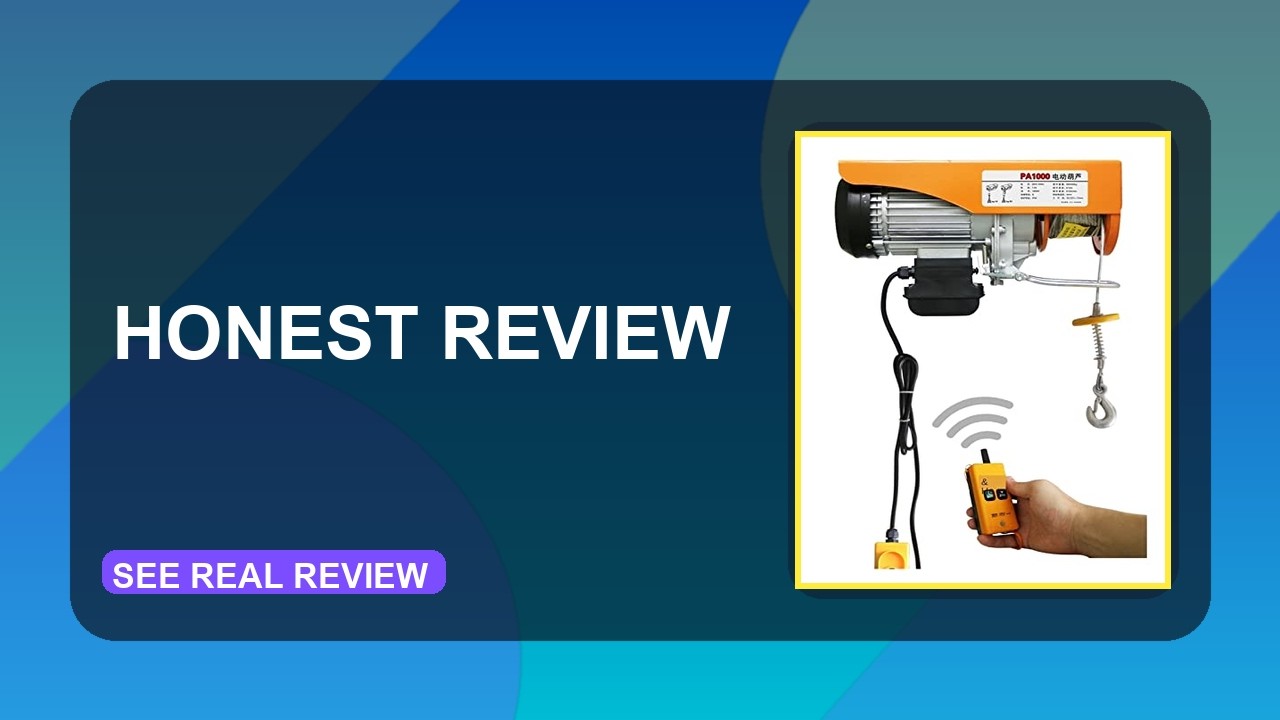
In today's fast-paced manufacturing and warehousing environments, efficiency, safety, and reliability are paramount. The heavy-duty 220V Electric Hoist Crane Winch, featuring a 1000kg lifting capacity, is proving to be an indispensable tool for material handling. As smart factory operations evolve, seamlessly integrating rugged hardware with robust Industrial IT infrastructure has become essential for maximizing overall facility productivity.

Heavy-Duty Performance Meets Precision Engineering

Boasting a powerful 1000kg lifting capacity and a flexible 12–20 meter lift height, this 220V electric winch is built for demanding industrial environments. Whether you are moving heavy machinery, raw construction materials, or bulk goods, its reliable motor and durable steel construction ensure smooth and secure operations.

However, modern facilities require more than just raw mechanical power—they demand data and control. By connecting smart lifting machinery into the facility's overarching Industrial IT ecosystem, logistics managers can monitor real-time load analytics, track operational hours, and schedule predictive maintenance long before equipment downtime occurs.

Smart Factory Integration and Material Handling

Combining physical lifting solutions with modern digital management empowers operations to streamline floor workflows. Integrating electric hoist crane winches into central control software allows warehouse teams to synchronize material movement directly with inventory tracking systems.

With the right Industrial IT setup, automated hoists can report status updates, log safety metrics, and adhere to automated workflow schedules with minimal human intervention. This synergy between heavy lifting hardware and digital systems reduces manual labor, minimizes operational risk, and speeds up product throughput across the shop floor.

Final Verdict

Investing in a high-capacity 220V electric hoist winch is a smart move for upgrading your workshop, factory, or warehouse capabilities. When paired with data-driven technologies, heavy-duty machinery transforms from a simple mechanical tool into an intelligent asset capable of meeting modern industrial demands.


🎬 Related Video Reference

Epson LW-Z5010PX Honest Review: Essential Hardware or Overkill for Industrial IT?

...
engineering information technology
Epson LW-Z5010PX Honest Review: Essential Hardware or Overkill for Industrial IT?

Epson LW-Z5010PX Honest Review: Essential Hardware or Overkill for Industrial IT?

This article provides an in-depth exploration of Industrial IT, covering foundational concepts, practical applications, and engineering insights.

When managing modern data centers, manufacturing plants, or large-scale network infrastructure, reliable labeling is far more than an aesthetic preference—it is an operational necessity. Enter the Epson LabelWorks LW-Z5010PX, a heavy-duty label printer designed to handle extreme workloads. But is this rugged device an absolute must-have or complete overkill for your setup? In this honest review, we break down what makes this printer stand out in modern Industrial IT environments.

Built for High-Volume, Heavy-Duty Operations

The Epson LW-Z5010PX isn't your standard office label maker. Built like a tank, it is engineered specifically for technicians, network engineers, and facility managers who require continuous, high-volume output. With support for bulk tape rolls, fast printing speeds, and a wide variety of durable media options—including heat-shrink tubes, vinyl, and magnetic tapes—it easily meets the demanding standards of enterprise Industrial IT infrastructure. Its automated rewind feature also minimizes media waste, saving both time and material costs during massive cable management projects.

Powerful Features vs. Daily Realities

Beyond its rugged exterior, the LW-Z5010PX offers top-tier connectivity options, including Wi-Fi, Ethernet, and USB. This allows seamless integration with both desktop software and mobile labeling apps, making field deployments straightforward.

However, high performance comes at a cost. For small IT departments or basic office labeling, the unit’s size, weight, and price point might feel excessive. If your team only needs to print a dozen cable tags a month, a compact handheld model will serve you better. But if you are managing complex patch panels, massive server racks, or extensive facility wiring, the efficiency gains are undeniable.

Final Verdict: Is It Right for You?

Ultimately, the Epson LW-Z5010PX is a niche powerhouse. While it is certainly overkill for routine office tasks, it excels at streamlining workflows across your Industrial IT operations. If speed, industrial-grade durability, and bulk printing capability are high on your priority list, the LW-Z5010PX is a reliable, long-term investment that delivers exceptional performance under pressure.


🎬 Related Video Reference

Enhancing Warehouse Safety: How Industrial IT and Center of Gravity Dynamics Prevent Forklift Accidents

...
engineering information technology
Enhancing Warehouse Safety: How Industrial IT and Center of Gravity Dynamics Prevent Forklift Accidents

Enhancing Warehouse Safety: How Industrial IT and Center of Gravity Dynamics Prevent Forklift Accidents

This article provides an in-depth exploration of Industrial IT, covering foundational concepts, practical applications, and engineering insights.

Forklifts are indispensable workhorses in modern logistics and manufacturing facilities. However, operating these heavy vehicles carries inherent risks, with tip-over accidents remaining one of the leading causes of workplace injuries. To prevent catastrophic incidents, facility managers must understand the fundamental physics of load stability—specifically, the Center of Mass (COM) and Center of Gravity (COG)—and leverage modern Industrial IT solutions to maintain optimal safety standards.

Understanding the Stability Triangle and Center of Mass

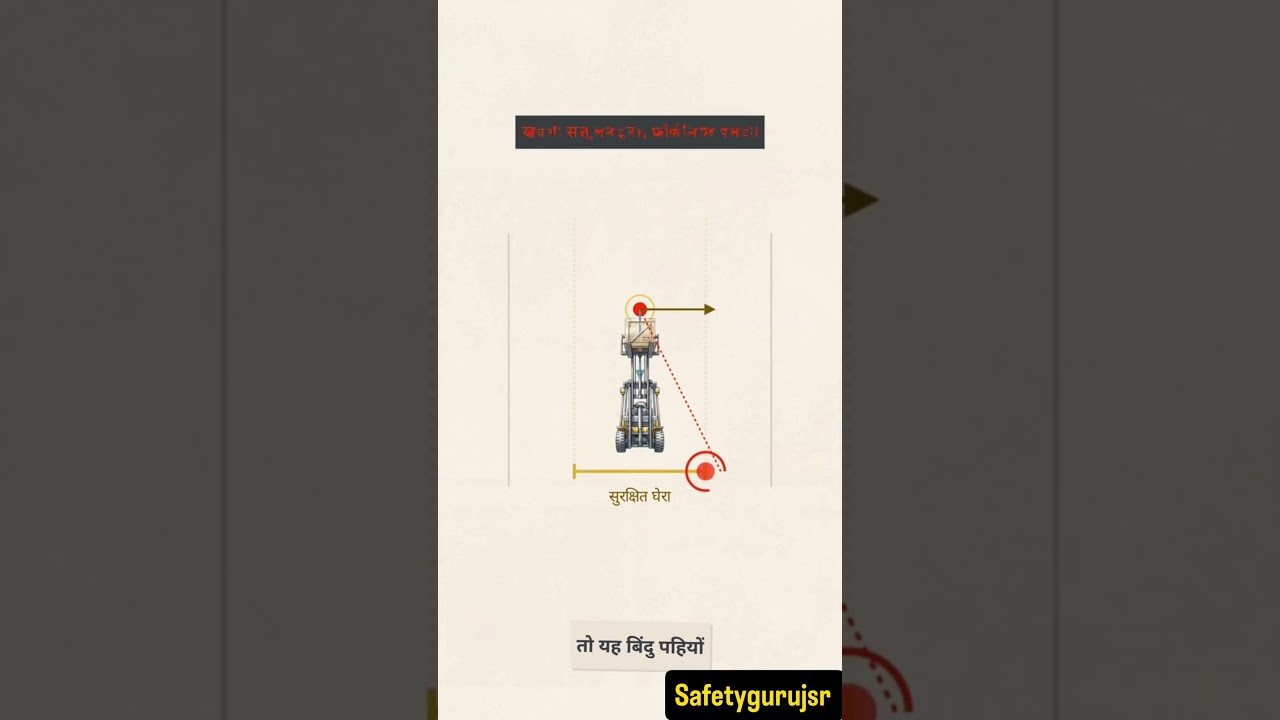
Every forklift operates on a physics principle known as the "stability triangle." The three points of this triangle consist of the two front drive wheels and the center pivot of the rear axle. As long as the combined Center of Mass of both the forklift and its elevated payload remains strictly within this triangle, the vehicle stays stable and balanced.

When an operator lifts a heavy load, drives on uneven surfaces, or executes sharp turns at elevated speeds, the Center of Mass shifts rapidly. If it moves outside the boundary of the stability triangle, the forklift will instantly tip over, putting the driver and surrounding workers at extreme risk.

The Role of Industrial IT in Real-Time Safety Monitoring

While thorough operator training is essential, human error remains a major variable on the warehouse floor. This is where modern Industrial IT plays a transformative role in fleet management and risk reduction. By integrating Internet of Things (IoT) sensors, dynamic telemetry systems, and onboard computational units, industrial facilities can monitor vehicle physics in real time.

Smart sensor networks connected to an Industrial IT architecture continuously calculate load weight, fork elevation, mast tilt, and vehicle velocity. If the system detects that the Center of Mass is approaching a dangerous threshold, it can trigger immediate visual and audible operator warnings, automatically govern speed, or restrict hazardous tilt maneuvers before a rollover can happen.

Key Practices for Safe Forklift Operation

To maintain a secure operating environment, industrial facilities should combine core physical safety practices with digital infrastructure:

  • Maintain Low Travel Positions: Always transport materials with the forks tilted back slightly and kept low to the ground to preserve a lower Center of Gravity.
  • Control Speed During Turns: Centrifugal force shifts the Center of Mass laterally; reducing speed during turns prevents tipping.
  • Leverage Smart Analytics: Utilize connected telemetry platforms to collect operator data, identify unsafe driving patterns, and deliver targeted safety refresher training.

By combining an understanding of basic physics with powerful tech innovations, modern operations can drastically reduce accidents and build a safer, more productive industrial workplace.


🎬 Related Video Reference

Mastering Industrial Process Control: How Industrial IT Drives Modern Automation

...
engineering information technology
Mastering Industrial Process Control: How Industrial IT Drives Modern Automation

Mastering Industrial Process Control: How Industrial IT Drives Modern Automation

This article provides an in-depth exploration of Industrial IT, covering foundational concepts, practical applications, and engineering insights.

In today's fast-paced manufacturing landscape, precision and consistency are paramount. Industrial process control forms the backbone of modern production facilities, ensuring that complex operations run smoothly, safely, and efficiently. As manufacturing technology continues to evolve, the integration of Industrial IT has revolutionized how engineering teams monitor, analyze, and manage physical processes in real time.

Understanding Industrial Process Control

At its core, industrial process control refers to the automated management of operational variables such as temperature, pressure, fluid flow rate, and chemical composition. By continuously gathering physical data through strategically placed sensors, control systems compare actual performance against predefined target values (setpoints).

Controllers—such as Programmable Logic Controllers (PLCs) and Distributed Control Systems (DCS)—then process this data and send immediate commands to actuators, such as control valves and variable-speed drives, to maintain optimal operating conditions without requiring manual intervention.

The Role of Industrial IT in Modern Automation

The true power of modern process control lies in combining traditional operational technology (OT) with sophisticated Industrial IT architecture. By bridging the gap between shop-floor machinery and high-level enterprise software, organizations can achieve unprecedented visibility across their entire production lifecycle.

Modern control systems leverage centralized cloud databases, edge computing, and predictive analytics to turn raw sensor data into actionable business intelligence. These digital capabilities allow operators to detect equipment anomalies early, reduce unexpected downtime, and optimize resource allocation across global facilities.

Key Benefits of Advanced Process Control

Mastering fundamental control principles offers several competitive advantages for industrial facilities:

  • Enhanced Product Consistency: Continuous feedback loops minimize batch-to-batch variability, ensuring goods consistently meet rigorous quality standards.
  • Increased Operational Efficiency: Automated tuning reduces raw material waste and significantly optimizes energy consumption.
  • Improved Plant Safety: Automated safety interlocks and real-time alarm systems prevent hazardous operating conditions before they cause equipment failure or injury.

Conclusion

Understanding the fundamentals of process control is essential for engineers, technicians, and plant leaders who want to maximize production performance. By pairing core control strategies with a robust Industrial IT framework, modern facilities can build a smarter, safer, and highly scalable manufacturing future.


🎬 Related Video Reference

1-Phase vs. 3-Phase Fan Motors: Essential Insights for Industrial IT

...
engineering information technology
1-Phase vs. 3-Phase Fan Motors: Essential Insights for Industrial IT

1-Phase vs. 3-Phase Fan Motors: Essential Insights for Industrial IT

This article provides an in-depth exploration of Industrial IT, covering foundational concepts, practical applications, and engineering insights.

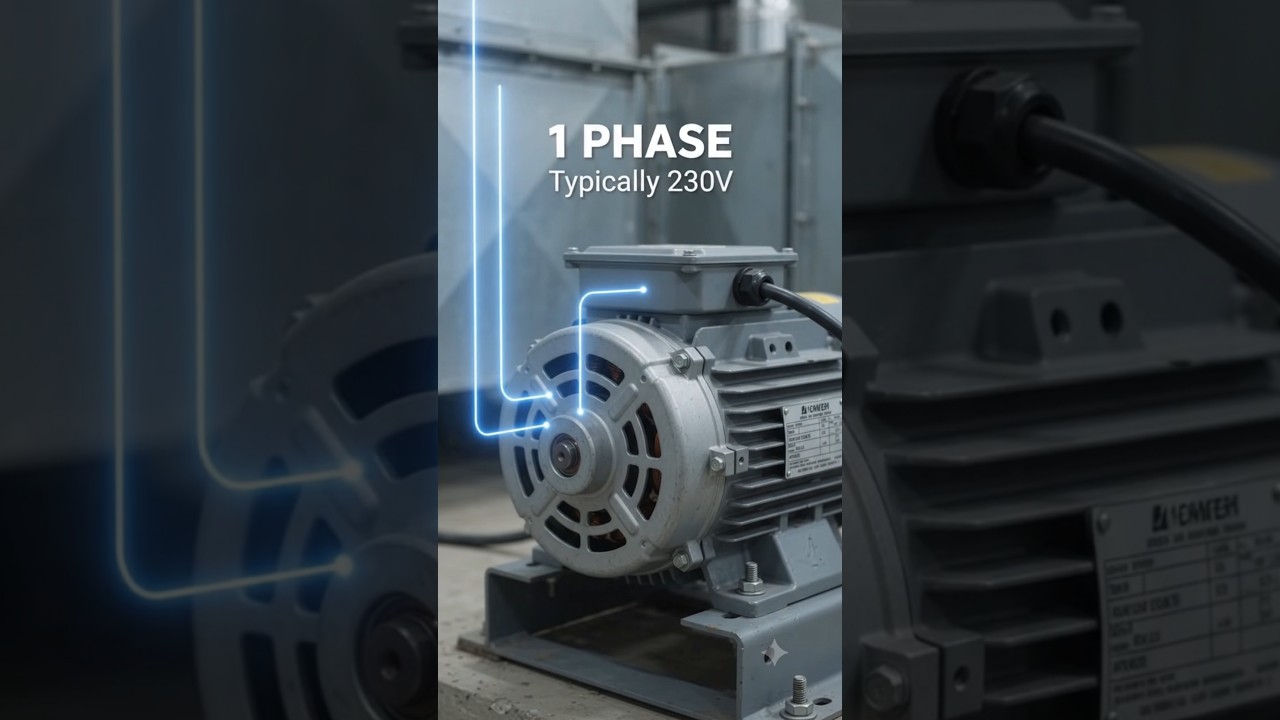
When managing power and machinery in smart automated facilities, selecting the right hardware is critical. Within modern smart manufacturing and Industrial IT infrastructure, understanding basic electrical components—specifically single-phase and three-phase fan motors—is essential for optimizing energy efficiency and device longevity. But what exactly sets a 1-phase fan motor apart from a 3-phase fan motor? Let's break down the core differences in simple terms.

Understanding 1-Phase Fan Motors

A single-phase (1-phase) fan motor operates using a single alternating current (AC) voltage wave. These motors are commonly found in residential settings, small commercial offices, and lighter equipment where extreme power output isn't required.

They are easy to install, cost-effective for smaller setups, and run on standard electrical supplies. However, 1-phase motors generally provide lower starting torque and reduced operational efficiency under heavy continuous loads.

Understanding 3-Phase Fan Motors

A three-phase (3-phase) fan motor utilizes three distinct alternating currents that peak at staggered intervals. This continuous cycle ensures a smooth, non-stop flow of electrical power without performance drops.

Because of their impressive torque, high energy efficiency, and reliable long-term performance, 3-phase fan motors are the standard choice for heavy industrial facilities, large HVAC systems, and server room cooling units. Their robust design makes 3-phase motors ideal for demanding operations managed by real-time Industrial IT monitoring systems.

Key Differences at a Glance

  • Power & Efficiency: 1-phase motors rely on a single voltage cycle and are less efficient for heavy workloads, whereas 3-phase motors deliver higher power output with maximum energy efficiency.
  • Starting Torque: 3-phase motors produce a strong natural magnetic field, generating reliable starting torque without needing extra starter capacitors.
  • Vibration and Lifespan: Because 3-phase power delivery is smooth and continuous, these motors experience significantly less mechanical vibration, leading to a longer operational lifespan.
  • Cost & Setup: 1-phase motors have lower initial costs and simpler wiring, while 3-phase systems require specialized 3-phase electrical supplies but lower long-term running costs.

Final Thoughts

Choosing between a 1-phase and a 3-phase fan motor depends on your operational scale and power requirements. While single-phase fans are sufficient for small-scale applications, three-phase fan motors deliver the power, efficiency, and dependability required for industrial environments. Selecting the right motor ensures high operational reliability and seamless alignment with your broader Industrial IT framework.


🎬 Related Video Reference

Jack Industrial Sewing Machine Settings Guide: Enhancing Precision with Industrial IT

...

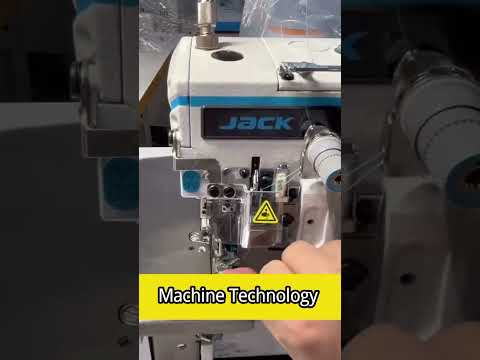
Modern textile and garment manufacturing is evolving rapidly, blending traditional mechanical expertise with cutting-edge digital infrastructure. At the heart of high-efficiency production lines is the Jack industrial sewing machine, renowned for its speed, durability, and precision. Whether you are operating a standard lockstitch or a complex overlock machine, mastering proper machine settings and stitch adjustments is essential for achieving superior garment quality while minimizing downtime.

Key Settings for Optimal Sewing Performance

To get the best performance out of your Jack industrial sewing machine, setting the correct baseline parameters is crucial. Start by ensuring the needle is correctly aligned and inserted to prevent skipped stitches and thread breakage. Adjusting the presser foot pressure according to fabric thickness prevents material slippage and ensures smooth feeding across the feed dog.

Furthermore, modern apparel production relies heavily on robust Industrial IT solutions to monitor machine health, stitch counts, and operational metrics in real time. Combining accurate manual calibration with digital monitoring ensures optimal tension and speed across various fabric types.

Stitch Adjustment and Fine-Tuning

Stitch quality directly impacts fabric durability and aesthetic appeal. When fine-tuning an overlock or lockstitch machine, keep these factors in mind:

  • Thread Tension: Adjust upper and lower thread tensions incrementally until stitches lay flat without puckering or looping.
  • Stitch Length: Modify the stitch length dial to suit the material; finer fabrics require shorter stitches, while heavier materials demand longer ones.
  • Differential Feed: For stretchable materials, adjust the differential feed ratio to prevent unwanted gathering or stretching along the seam.

Driving Efficiency Through Smart Technology

As garment factories transition toward automated production, integrating modern Industrial IT infrastructure plays a vital role in unifying hardware setup with central management software. Digital Jack sewing machines can now transmit performance data directly to factory servers, enabling predictive maintenance and automated quality control. By leveraging Industrial IT capabilities alongside expert manual adjustments, manufacturers can significantly boost overall productivity, reduce material waste, and deliver flawless stitching consistently.

Preventing Disaster: How Modern Industrial IT Revolutionizes Safety Standards

...
engineering information technology
Preventing Disaster: How Modern Industrial IT Revolutionizes Safety Standards

Preventing Disaster: How Modern Industrial IT Revolutionizes Safety Standards

This article provides an in-depth exploration of Industrial IT, covering foundational concepts, practical applications, and engineering insights.

The devastating events surrounding historical industrial disasters, recently brought back into the public eye by media like The Railway Men, serve as a grim reminder of what happens when safety protocols fail. In the past, industrial complexes and vast transit networks relied heavily on manual oversight, leaving little room to halt sudden, catastrophic failures. Today, however, the landscape of safety management has undergone a radical transformation.

The Role of Industrial IT in Safety

At the heart of this transformation is modern Industrial IT, a discipline that bridges advanced information technology with heavy industrial infrastructure. Unlike the fragile monitoring systems of decades past, contemporary facilities utilize interconnected software networks, smart IoT sensors, and automated controls to maintain strict oversight over hazardous processes. By implementing robust Industrial IT frameworks, organizations can constantly track chemical levels, structural integrity, and environmental hazards in real time.

Preventing Catastrophes Through Automation

When dealing with volatile materials or high-volume transportation networks like national railways, seconds matter. Automated early warning systems can instantly trigger shut-off valves, deploy emergency containment controls, and alert first responders long before a human operator might even detect a threat.

Key safety advantages include:
* Predictive Maintenance: Data analytics detect equipment degradation before critical failures occur.
* Automated Containment: Instant isolation of hazardous leaks to protect surrounding communities.
* Centralized Visibility: Real-time monitoring dashboards enable site managers to make life-saving decisions in an instant.

A Moral Imperative for Modern Infrastructure

Honoring the brave workers and victims of past industrial tragedies means ensuring such events are never repeated. Investing in cutting-edge Industrial IT solutions is no longer just an operational choice—it is a vital responsibility to safeguard human lives and build a secure future for global infrastructure.


🎬 Related Video Reference

The Ultimate Guide to Open Frame Touch Panel PCs for Modern Industrial IT

...
engineering information technology
The Ultimate Guide to Open Frame Touch Panel PCs for Modern Industrial IT

The Ultimate Guide to Open Frame Touch Panel PCs for Modern Industrial IT

This article provides an in-depth exploration of Industrial IT, covering foundational concepts, practical applications, and engineering insights.

In today's fast-paced manufacturing and automation environments, choosing the right hardware is essential for operational efficiency. Open frame touch panel PCs have become the backbone of modern Industrial IT infrastructure, providing robust performance, space-saving designs, and seamless integration into various machinery and custom enclosures.

Whether you are upgrading an existing production line or building a smart factory setup from scratch, open frame industrial capacitive touch panel PCs offer the durability and responsiveness required for demanding operational environments.

Key Features of Top Industrial Touch Panel PCs

When evaluating the top-performing open frame panel PCs—ranging from compact 13.3-inch and popular 15.6-inch models to expansive 18.5-inch and 21.5-inch displays—several critical features stand out:

  • Versatile Display Options: Available in multiple screen sizes (13.3", 15.6", 18.5", and 21.5"), these all-in-one PCs cater to diverse space constraints and human-machine interface (HMI) needs.
  • Capacitive Touchscreen Technology: High-precision multi-touch capacitive screens deliver quick response times, smooth operation, and exceptional resistance to surface wear in harsh working conditions.
  • Reliable Processing Power: Equipped with efficient industrial processors like the Intel Celeron J1800 series, these units provide reliable 24/7 computing while maintaining low power consumption and fanless heat dissipation.
  • Seamless Open Frame Design: The flush-mount, open-frame structure allows effortless installation into kiosks, control panels, and OEM equipment.

Why Upgrade Your Industrial IT Strategy?

Investing in high-quality touch panel computers is a strategic decision for any forward-thinking Industrial IT roadmap. Standard commercial computers are simply not built to survive severe vibration, dust exposure, or continuous operation. Industrial-grade panel PCs, on the other hand, deliver ruggedized reliability that minimizes system downtime and maintenance costs.

Furthermore, their rich I/O interfaces allow smooth connectivity with legacy PLCs, modern sensors, and enterprise networks, giving operators real-time data visibility across the entire shop floor.

Final Thoughts

Upgrading to a top-tier open frame industrial touch panel PC empowers your business to streamline workflows, improve operator interaction, and build a resilient foundation for Industrial IT advancement. Consider your spatial and processing requirements today to select the ideal all-in-one solution for your facility.


🎬 Related Video Reference

Maximizing Energy Efficiency: How Rooftop Solar and Industrial IT Drive Massive Savings

...
engineering information technology
Maximizing Energy Efficiency: How Rooftop Solar and Industrial IT Drive Massive Savings

Maximizing Energy Efficiency: How Rooftop Solar and Industrial IT Drive Massive Savings

This article provides an in-depth exploration of Industrial IT, covering foundational concepts, practical applications, and engineering insights.

In an era of rising utility costs and a growing emphasis on sustainability, rooftop solar has emerged as a game-changing investment for both residential and commercial sectors. Transitioning to solar energy is no longer just an environmental choice; it is a strategic financial move that offers significant long-term returns. However, the true potential of these installations is unlocked when combined with modern technology.

Understanding the Financial Impact of Rooftop Solar

The primary question most property owners ask is, "How much can I actually save?" On average, a well-designed rooftop solar system can reduce electricity bills by 30% to 70%. For commercial and industrial sectors, where energy consumption is high, these savings can translate into millions of dollars over the system's 25-year lifespan.

Beyond the direct reduction in monthly bills, solar energy provides protection against volatile energy prices. By generating your own power, you become less reliant on the traditional grid, ensuring more predictable operational costs for your home or business.

The Role of Industrial IT in Solar Optimization

While solar panels do the heavy lifting of converting sunlight into electricity, the efficiency of the entire system depends on smart management. This is where Industrial IT plays a crucial role. Modern solar installations utilize advanced software and data analytics to monitor performance in real-time.

By integrating Industrial IT solutions, companies can track energy production, identify hardware inefficiencies, and predict maintenance needs before they lead to downtime. This level of digital oversight ensures that your solar investment is always operating at peak performance, maximizing your Return on Investment (ROI).

Choosing the Right EPC Partner

To achieve these savings, it is essential to work with a reputable Solar EPC (Engineering, Procurement, and Construction) company. Whether you are looking for a residential solar installation or a large-scale commercial project across India, the right partner will handle everything from site assessment to grid synchronization.

A professional EPC provider doesn't just install panels; they design a comprehensive energy ecosystem. By leveraging the latest trends in Industrial IT, these experts provide dashboards and mobile apps that allow you to visualize your savings and energy consumption patterns at the click of a button.

Conclusion

Rooftop solar is a powerful tool for anyone looking to go green while saving green. By combining high-quality hardware with the smart monitoring capabilities of modern technology, you can ensure your energy future is both sustainable and profitable. Now is the perfect time to explore solar solutions and take control of your energy costs.

Visual Insights & Illustrations

Industrial IT
Industrial IT
Industrial IT

3 Critical Bearing Warning Signs and How Industrial IT Prevents Machine Failure

...
engineering information technology
3 Critical Bearing Warning Signs and How Industrial IT Prevents Machine Failure

3 Critical Bearing Warning Signs and How Industrial IT Prevents Machine Failure

This article provides an in-depth exploration of Industrial IT, covering foundational concepts, practical applications, and engineering insights.

In manufacturing and heavy industry, mechanical reliability is the backbone of operational success. Among the most small yet vital components in any machinery are bearings. When a bearing begins to fail, it can trigger a domino effect, leading to costly unscheduled downtime and expensive repairs.

Fortunately, integrating modern Industrial IT infrastructure with smart condition monitoring allows plant managers to spot equipment issues before they cause catastrophic system failures. Here are 3 critical warning signs that your bearings need immediate attention—and how smart technology can help you address them.

1. Unusual Noise and Humming

One of the earliest indicators of bearing distress is abnormal sound. If you hear grinding, squealing, or rhythmic humming coming from your machinery, the bearing is likely suffering from inadequate lubrication, contamination, or internal surface damage. Ignoring these sounds will accelerate wear and tear, rapidly moving the machine toward complete breakdown.

2. Excessive Heat and Thermal Spikes

While operating friction naturally generates some heat, excessive temperatures are a major red flag. Overheating typically stems from over-lubrication, high loads, or severe shaft misalignment. By utilizing continuous temperature sensors fed directly into an Industrial IT platform, maintenance teams can track heat variations in real time and receive automated alerts long before thermal damage destroys internal components.

3. Abnormal Vibration Levels

If a machine starts vibrating more than usual, worn bearings are often the prime suspect. Excessive vibration indicates that the structural integrity of the bearing raceway or rolling elements has been compromised. Left unchecked, these vibrations travel through the equipment, loosening fasteners, misaligning shafts, and damaging adjacent mechanical parts.

Smarter Maintenance for Modern Operations

Recognizing these three warning signs early is essential for preserving your machinery's lifespan. Today, forward-thinking facilities no longer rely solely on manual inspections. By combining real-time sensor data with robust Industrial IT solutions, operations can seamlessly transition from reactive repairs to predictive maintenance—saving time, reducing operational costs, and keeping critical machinery running at peak efficiency.

Visual Insights & Illustrations

Industrial IT
Industrial IT
Industrial IT

The Future of Small Bay Development: Integrating Industrial IT for Smarter Site Selection

...
engineering information technology
The Future of Small Bay Development: Integrating Industrial IT for Smarter Site Selection

The Future of Small Bay Development: Integrating Industrial IT for Smarter Site Selection

This article provides an in-depth exploration of Industrial IT, covering foundational concepts, practical applications, and engineering insights.

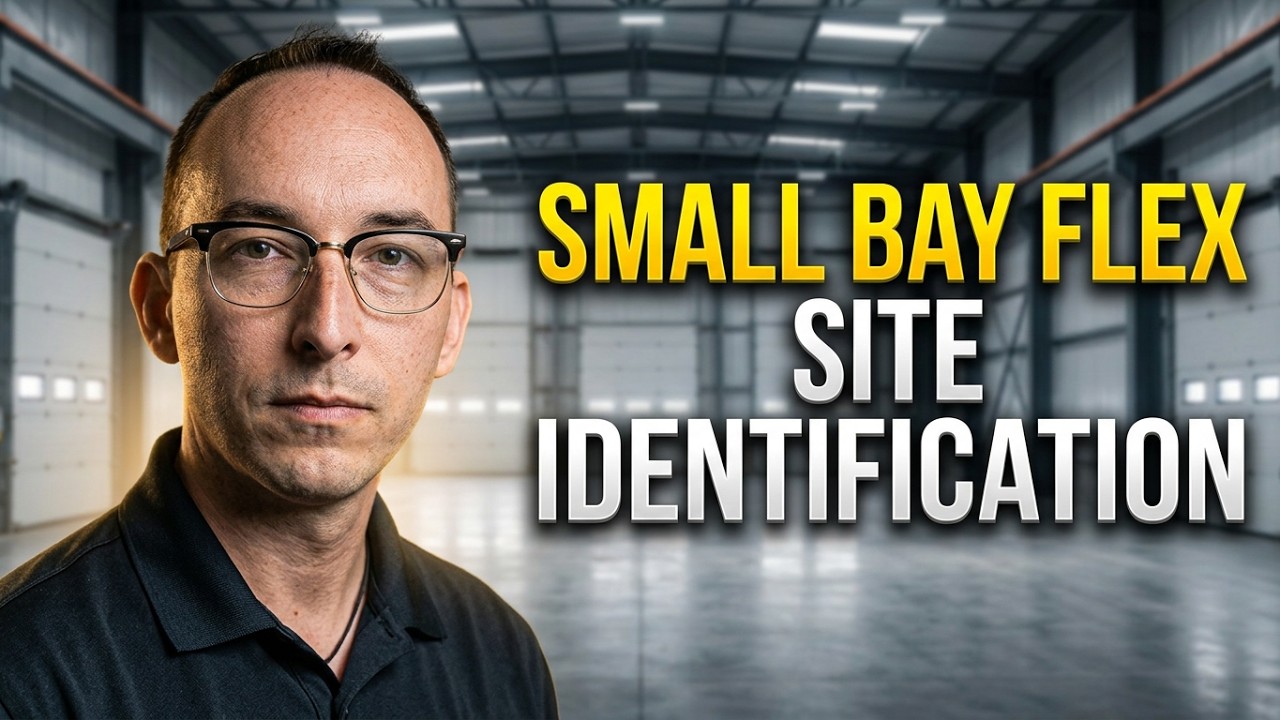
The demand for small bay industrial spaces has skyrocketed as e-commerce and local distribution networks continue to evolve. However, as we look toward 2026, the challenge for investors and developers isn’t just finding land—it’s ensuring that the market isn’t already reaching a breaking point. Identifying the right site requires a blend of traditional real estate intuition and modern technological insights.

Avoiding the Oversaturation Trap

Before breaking ground or acquiring a property, the most critical question to answer is whether the local market is oversaturated. Cody Payne of Flex Parks USA emphasizes that "first-mover advantage" is waning; today, success is about "smart-mover advantage." To determine if a market is full, you must look beyond current occupancy rates.

Developers should analyze the pipeline of upcoming projects and compare them against the historical absorption rates of the submarket. If the square footage under construction exceeds two years of typical leasing activity, you may be walking into a bubble.

The Role of Industrial IT in Site Selection

In the evolving landscape of 2026, leveraging Industrial IT systems is no longer optional for developers looking to gain a competitive edge. Modern site selection relies heavily on data-driven frameworks that track tenant movements, logistics efficiency, and power requirements.

By utilizing advanced Industrial IT to analyze localized tenant demand and supply-chain logistics patterns, investors can pinpoint "deserts" where small bay demand is high but supply is lagging. This technological approach allows for a more granular view of the market, identifying micro-locations that traditional broad-market reports might miss.

Key Indicators for a Winning Site

A "prime" site for small bay industrial isn't just about a plot of land near a highway. You must consider:
* Accessibility: Is the site positioned for "last-mile" delivery success?
* Tenant Diversity: Does the area support a mix of trade services, light manufacturing, and e-commerce startups?
* Infrastructure: Does the site have the necessary fiber and power capabilities to support modern industrial operations?

Integrating Industrial IT infrastructure into the site's design from day one can also increase the property's long-term value, making it more attractive to high-quality tenants who require smart building features and robust connectivity.

Conclusion

Success in the 2026 small bay industrial market requires a disciplined approach to site selection. By keeping a close eye on market saturation and utilizing the latest in data technology, you can ensure your investment remains profitable for years to come. Don't just build for today; use the right tools to build for the future of industry.

Visual Insights & Illustrations

Industrial IT
Industrial IT
Industrial IT