
Showing posts with label Smart Technology. Show all posts

Preventing Disaster: How Modern Industrial IT Revolutionizes Safety Standards

...
engineering information technology
Preventing Disaster: How Modern Industrial IT Revolutionizes Safety Standards

Preventing Disaster: How Modern Industrial IT Revolutionizes Safety Standards

This article provides an in-depth exploration of Industrial IT, covering foundational concepts, practical applications, and engineering insights.

The devastating events surrounding historical industrial disasters, recently brought back into the public eye by media like The Railway Men, serve as a grim reminder of what happens when safety protocols fail. In the past, industrial complexes and vast transit networks relied heavily on manual oversight, leaving little room to halt sudden, catastrophic failures. Today, however, the landscape of safety management has undergone a radical transformation.

The Role of Industrial IT in Safety

At the heart of this transformation is modern Industrial IT, a discipline that bridges advanced information technology with heavy industrial infrastructure. Unlike the fragile monitoring systems of decades past, contemporary facilities utilize interconnected software networks, smart IoT sensors, and automated controls to maintain strict oversight over hazardous processes. By implementing robust Industrial IT frameworks, organizations can constantly track chemical levels, structural integrity, and environmental hazards in real time.

Preventing Catastrophes Through Automation

When dealing with volatile materials or high-volume transportation networks like national railways, seconds matter. Automated early warning systems can instantly trigger shut-off valves, deploy emergency containment controls, and alert first responders long before a human operator might even detect a threat.

Key safety advantages include:
* Predictive Maintenance: Data analytics detect equipment degradation before critical failures occur.
* Automated Containment: Instant isolation of hazardous leaks to protect surrounding communities.
* Centralized Visibility: Real-time monitoring dashboards enable site managers to make life-saving decisions in an instant.

A Moral Imperative for Modern Infrastructure

Honoring the brave workers and victims of past industrial tragedies means ensuring such events are never repeated. Investing in cutting-edge Industrial IT solutions is no longer just an operational choice—it is a vital responsibility to safeguard human lives and build a secure future for global infrastructure.

🎬 Related Video Reference

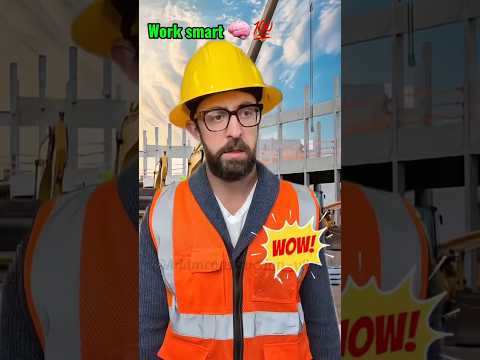
Work Smart, Not Hard: How Engineering IT is Transforming Modern Infrastructure

...

In today's fast-paced technical world, the phrase "work smart, not hard" has evolved from a popular catchphrase into a vital strategy for long-term success. Whether managing complex site builds, optimizing structural blueprints, or streamlining field communications, achieving efficiency relies heavily on utilizing the right digital tools. This is precisely where modern Engineering IT steps in, revolutionizing how traditional projects operate from start to finish.

The Shift Toward Digital Optimization

Traditionally, engineering and construction management relied heavily on manual oversight, physical blueprints, and localized communication. While these methods built the modern world, they frequently resulted in project delays, budget overruns, and unexpected bottlenecks.

By integrating robust Engineering IT solutions into daily operations, organizations gain access to real-time data tracking, automated safety monitoring, and cloud-based design management. Engineers no longer need to rely solely on manual tracking. Advanced computing infrastructure allows technical teams to predict potential structural risks long before ground is even broken.

Key Advantages of Working Smart

Embracing specialized information technology within engineering fields offers distinct operational benefits:

  • Enhanced Precision: Building Information Modeling (BIM) and spatial software eliminate design mismatches across cross-functional teams.
  • Automated Task Routines: Intelligent software handles scheduling, resource allocation, and progress tracking, freeing experts to focus on problem-solving.
  • Streamlined Collaboration: Field workers and office technicians stay synchronized through secure cloud platforms, drastically reducing costly miscommunications.

Building a Smarter Technical Future

Working smart is not about cutting corners; it is about leveraging modern technology to eliminate friction and elevate work quality. Implementing modern Engineering IT strategies enables firms to deliver safer, higher-quality projects on time and under budget.

By upgrading legacy workflows and adopting digital-first techniques, industry leaders can ensure their teams remain agile, efficient, and ready for future challenges.

Engineering IT

Driving Innovation with Integrated IT Engineering Solutions

...

In today’s fast-changing digital landscape, organizations must adopt integrated IT engineering solutions to remain competitive. By combining advanced information technology with engineering expertise, businesses can drive innovation, improve operational efficiency, and accelerate digital transformation.

What Are Integrated IT Engineering Solutions?

Integrated IT engineering solutions refer to the strategic integration of software systems, hardware infrastructure, data management, and engineering processes into a unified ecosystem. This approach enables seamless communication between systems while supporting scalability, security, and performance.

How Integrated IT Engineering Drives Innovation

Innovation thrives when technology and engineering work together. IT engineering integration allows organizations to automate workflows, optimize system architecture, and leverage real-time data analytics. As a result, teams can develop smarter products, reduce development cycles, and respond quickly to market demands.

Key Benefits for Modern Enterprises

  • Improved system efficiency through unified IT infrastructure
  • Enhanced collaboration between engineering and IT teams
  • Greater scalability and flexibility for future growth
  • Reduced operational costs through process optimization

Applications Across Industries

Integrated IT engineering solutions are widely used in industries such as manufacturing, automotive technology, smart infrastructure, healthcare, and industrial automation. These solutions support digital twins, predictive maintenance, cloud-based platforms, and intelligent control systems.

Conclusion

Driving innovation with integrated IT engineering solutions is no longer optional—it is a strategic necessity. Organizations that invest in integrated systems can achieve sustainable growth, technological leadership, and long-term competitiveness in the digital era.

Integrated IT Engineering, Digital Transformation, Engineering Solutions, IT Infrastructure, Smart Technology, Industrial Innovation


How Information Technology Shapes Modern Engineering Practices

...


In today's fast-paced world, Information Technology (IT) plays a pivotal role in shaping modern engineering practices. Engineers increasingly rely on advanced software tools, data analytics, and digital collaboration platforms to enhance productivity and accuracy in design, testing, and implementation.

One significant impact of IT is the use of Computer-Aided Design (CAD) and Computer-Aided Engineering (CAE)

Additionally, cloud computing and IoT (Internet of Things) technologies have revolutionized collaboration among engineering teams. Real-time data sharing and remote monitoring enable engineers to make informed decisions, improve system reliability, and innovate faster than ever before.

Artificial Intelligence (AI) and Machine Learning (ML) are also transforming engineering workflows by automating repetitive tasks, predicting equipment failures, and generating optimized design solutions. This allows engineers to focus on creative problem-solving and strategic planning.

In conclusion, the integration of Information Technology in engineering enhances efficiency, precision, and innovation. Modern engineering practices are increasingly defined by digital tools and smart technologies, shaping the future of design, manufacturing, and infrastructure development.