Showing posts with label Resume Tips. Show all posts

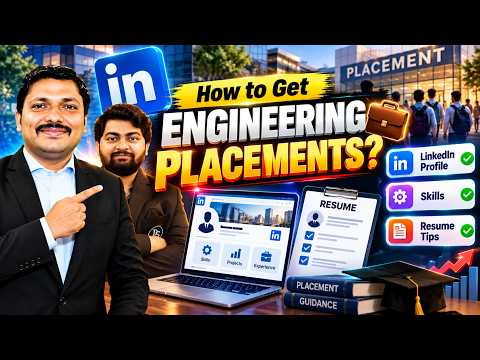
How Professional Engineering Education and Smart Prep Guarantee Placement Success

...

Navigating campus placements can feel overwhelming for many engineering students. While classroom learning forms the foundation, landing a top job offer requires a strategic approach that goes beyond traditional textbooks. Today, high-quality professional engineering education emphasizes holistic growth—combining core technical expertise, practical skills, and personal branding to help students transition seamlessly into high-paying corporate roles.

1. Optimize Your Resume and LinkedIn Profile

Your resume and LinkedIn profile serve as your digital handshake with prospective recruiters. To make a strong first impression: * Tailor Your Resume: Highlight hands-on projects, internships, and technical certifications. Keep the formatting clean and focus on quantifiable achievements rather than just listing basic course responsibilities. * Build a Standout LinkedIn Profile: Connect with industry professionals, share updates about your engineering projects, and actively follow target companies. An optimized LinkedIn presence functions as a 24/7 dynamic resume.

2. Focus on In-Demand Technical and Soft Skills

Recruiters actively seek candidates who can solve real-world industry challenges from day one. Modern professional engineering education programs encourage students to look beyond standard syllabi to master trending software tools, programming languages, and practical applications.

However, technical mastery alone isn't enough. You must also cultivate key soft skills: * Communication: Express complex technical ideas clearly and concisely. * Problem-Solving: Demonstrate analytical, step-by-step thinking during interview technical rounds. * Teamwork: Show evidence of effective collaboration through group projects or extracurricular activities.

3. Prepare Strategically for Technical and HR Rounds

Success in placement drives comes down to targeted preparation. Consistently practice mock technical interviews, review fundamental engineering concepts, and participate in coding or design challenges. Staying updated with emerging technology trends through specialized professional engineering education resources gives job seekers a distinct competitive advantage during group discussions and manager interviews.

By crafting a compelling resume, upgrading your technical skill set, and approaching interviews with confidence, you will position yourself for long-term success in the engineering industry.

Master Your Career: Essential Resume Tips for Engineering IT Professionals

...
engineering information technology
Master Your Career: Essential Resume Tips for Engineering IT Professionals

Master Your Career: Essential Resume Tips for Engineering IT Professionals

This article provides an in-depth exploration of Engineering IT, covering foundational concepts, practical applications, and engineering insights.

In the rapidly evolving landscape of modern technology, landing your dream job requires more than just technical know-how; it requires a strategic presentation of your skills. Whether you are a seasoned developer or an aspiring specialist, your resume is the most powerful tool in your career arsenal. It is not just a list of past jobs; it is a marketing document designed to prove you are the ultimate solution to a company’s challenges. For those navigating the competitive world of Engineering IT, standing out requires a blend of technical precision and personal branding.

Highlight Your Technical Synergy

The intersection of traditional engineering and modern software infrastructure requires a unique skill set. When applying for roles within the Engineering IT sector, it is crucial to highlight your proficiency in both hardware systems and software development lifecycles. Do not just list your tools; explain how you used them. Mention specific programming languages like Python or C++, but also include your experience with systems architecture or cloud integration. This balance demonstrates that you understand the full scope of complex technical projects from the ground up.

Quantify Your Achievements with Data

Recruiters in STEM fields are driven by results. Instead of simply stating that you "managed a team" or "fixed bugs," use hard numbers to quantify your impact. For example, "led a cross-functional team to reduce system latency by 25%" or "implemented a new protocol that saved the department $50,000 annually." Numbers provide a tangible scale for your expertise and give hiring managers a clear picture of the value you will bring to their organization.

Optimize for ATS and Human Readers

Many large firms use Applicant Tracking Systems (ATS) to filter resumes before a human ever sees them. To pass these digital gatekeepers, ensure you include relevant keywords found in the job description. However, once your resume reaches a recruiter, it needs to be readable. Use clean formatting, bullet points, and clear subheadings. A well-organized document reflects your ability to organize complex data—a vital trait for any successful career in Engineering IT.

Empowering Your Professional Narrative

For women in STEM and underrepresented groups, personal branding is a key differentiator. Use your resume to tell a story of innovation and leadership. Include a "Professional Summary" at the top that highlights your unique perspective and specific career goals. Don’t shy away from listing certifications, hackathons, or leadership roles in professional organizations. By combining your technical prowess with a strong narrative, you position yourself as a leader ready to tackle the challenges of tomorrow’s tech landscape.


🎬 Related Video Reference

Cracking the Code: Why Engineering Software Professionals Struggle to Get Hired (And How to Fix It)

...
engineering information technology
Cracking the Code: Why Engineering Software Professionals Struggle to Get Hired (And How to Fix It)

Cracking the Code: Why Engineering Software Professionals Struggle to Get Hired (And How to Fix It)

This article provides an in-depth exploration of Engineering software, covering foundational concepts, practical applications, and engineering insights.

Sending out hundreds—or even thousands—of job applications without receiving a single interview invitation is an exhausting reality for many tech professionals today. You’ve spent years mastering programming languages and building projects, yet your inbox remains empty. What gives? When experienced recruiters audit these resumes, a clear pattern emerges: mass applying rarely works, and generic resumes are instantly filtered out by modern hiring platforms.

The Flaw of Mass Applying in Tech

Many job seekers assume that landing a position in tech is purely a numbers game. They set up automated scripts or spend hours clicking "Easy Apply" across various job portals. However, recruiters aren't looking for applicants who simply want any job; they want candidates tailored specifically to their team's stack and goals. If you are serious about engineering software that drives business value, your application must showcase targeted expertise rather than broad, uninspired bullet points.

Common Resume Mistakes Holding You Back

When recruiters review resumes from candidates who have submitted over 1,000 applications without success, they consistently uncover the same critical flaws:

  • Focusing on Responsibilities Instead of Results: Listing basic job duties (e.g., "wrote frontend code") fails to impress. Instead, highlight quantifiable outcomes (e.g., "optimized database queries, reducing page load times by 35%").
  • Missing ATS Keywords: Modern Applicant Tracking Systems (ATS) filter out candidates who do not match core competencies. If your resume lacks the key terms critical to engineering software applications, a human recruiter may never even see it.
  • Cluttered and Unfocused Layouts: Recruiters spend an average of six seconds on an initial resume scan. If your technical stack and key achievements aren't immediately obvious, your application gets passed over.

How to Turn Your Application Strategy Around

To break the cycle of endless rejection, shift your strategy from quantity to quality. Instead of sending out 50 generic resumes a day, send five highly tailored applications. Customize your summary and work history to align with the specific job description. Highlight projects where you led the process of engineering software solutions, quantify your results, and ensure your LinkedIn profile mirrors your updated resume. By taking a strategic, targeted approach, you will stand out in a crowded market and turn those silent rejections into actual interview requests.


🎬 Related Video Reference