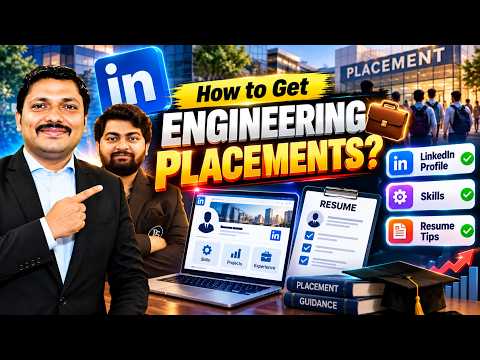
Navigating campus placements can feel overwhelming for many engineering students. While classroom learning forms the foundation, landing a top job offer requires a strategic approach that goes beyond traditional textbooks. Today, high-quality professional engineering education emphasizes holistic growth—combining core technical expertise, practical skills, and personal branding to help students transition seamlessly into high-paying corporate roles.
1. Optimize Your Resume and LinkedIn Profile
Your resume and LinkedIn profile serve as your digital handshake with prospective recruiters. To make a strong first impression: * Tailor Your Resume: Highlight hands-on projects, internships, and technical certifications. Keep the formatting clean and focus on quantifiable achievements rather than just listing basic course responsibilities. * Build a Standout LinkedIn Profile: Connect with industry professionals, share updates about your engineering projects, and actively follow target companies. An optimized LinkedIn presence functions as a 24/7 dynamic resume.
2. Focus on In-Demand Technical and Soft Skills
Recruiters actively seek candidates who can solve real-world industry challenges from day one. Modern professional engineering education programs encourage students to look beyond standard syllabi to master trending software tools, programming languages, and practical applications.
However, technical mastery alone isn't enough. You must also cultivate key soft skills: * Communication: Express complex technical ideas clearly and concisely. * Problem-Solving: Demonstrate analytical, step-by-step thinking during interview technical rounds. * Teamwork: Show evidence of effective collaboration through group projects or extracurricular activities.
3. Prepare Strategically for Technical and HR Rounds
Success in placement drives comes down to targeted preparation. Consistently practice mock technical interviews, review fundamental engineering concepts, and participate in coding or design challenges. Staying updated with emerging technology trends through specialized professional engineering education resources gives job seekers a distinct competitive advantage during group discussions and manager interviews.
By crafting a compelling resume, upgrading your technical skill set, and approaching interviews with confidence, you will position yourself for long-term success in the engineering industry.


