Showing posts with label Career Guide. Show all posts

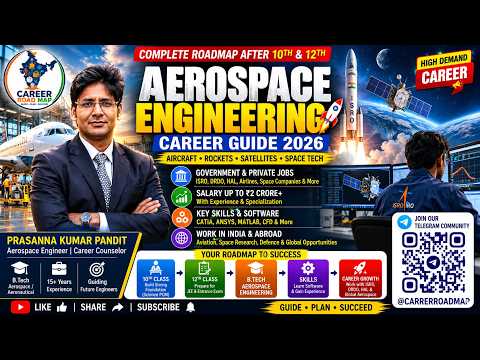
How to Build a Successful Career in Aerospace Engineering Design: Scope, Courses, and Salary Guide

...

Have you ever dreamed of designing futuristic aircraft, high-speed rockets, or interplanetary satellites? Aerospace engineering is one of the most dynamic, high-tech, and rewarding fields in the world today. As technology accelerates toward deeper space exploration and sustainable aviation, mastering aerospace engineering design has become a vital gateway to an extraordinary career.

If you are looking to turn your passion for flight and technology into a reality, here is a comprehensive guide on how to become an aerospace engineer, along with the courses, salary expectations, and career scope for 2026 and beyond.

What is Aerospace Engineering?

Aerospace engineering is the primary branch of engineering concerned with the development, testing, and production of aircraft, spacecraft, and related systems. It is divided into two overlapping branches:

  • Aeronautical Engineering: Focuses on aircraft operating within Earth's atmosphere (airplanes, helicopters, drones).
  • Astronautical Engineering: Focuses on spacecraft operating outside Earth's atmosphere (rockets, satellites, space stations).

At its core, expertise in aerospace engineering design enables professionals to build safer, more aerodynamic, and fuel-efficient vehicles that push the boundaries of human reach.

Required Qualifications and Top Courses

To start your journey in this field, you must follow a structured educational path:

  1. High School Foundation: Focus heavily on Physics, Chemistry, and Advanced Mathematics during your secondary education.
  2. Undergraduate Degree: Pursue a Bachelor’s degree (B.Tech / B.E. / B.S.) in Aerospace Engineering, Aeronautical Engineering, or Mechanical Engineering.
  3. Specialized Skills: Develop proficiency in programming languages (like Python or MATLAB) and industry-standard modeling software. Hands-on exposure to 3D modeling and computational fluid dynamics (CFD) is critical for modern aerospace engineering design projects.
  4. Postgraduate Studies (Optional): A Master's degree (M.Tech / M.S.) or Ph.D. allows you to specialize in propulsion, avionics, structural analysis, or space robotics.

Career Scope and Salary Insights

The global demand for skilled aerospace engineers is rising fast. Major space agencies (like NASA and ISRO), private space giants (like SpaceX and Blue Origin), and commercial aviation leaders (like Boeing and Airbus) are actively hiring top talent.

  • Entry-Level Salary: Fresh graduates can expect lucrative starting salaries, depending on the location, university prestige, and practical technical skills.
  • Mid to Senior-Level Salary: Experienced professionals specializing in system design, propulsion, or flight software command top-tier compensation packages worldwide.

Conclusion

A career in aerospace engineering offers more than just a good paycheck—it provides the opportunity to shape the future of transportation and human exploration. By building a strong academic foundation and mastering technical design tools today, you can position yourself at the forefront of aerospace innovation.
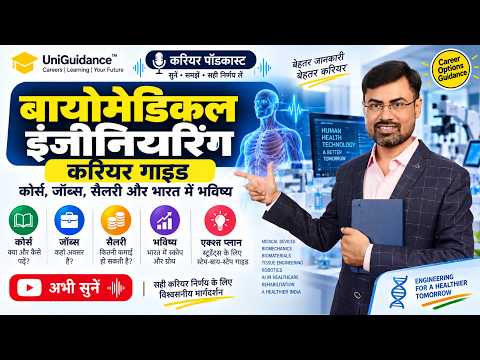
The Ultimate Guide to Biomedical Engineering Research, Careers, and Salaries in India

...

The intersection of healthcare and technology has never been more critical than it is today. As the world seeks more advanced medical solutions, Biomedical Engineering has emerged as one of the most promising career paths for students in India. This field bridges the gap between traditional engineering principles and biological sciences to design life-saving equipment and diagnostic tools.

What is Biomedical Engineering?

Biomedical Engineering involves the application of engineering principles and design concepts to medicine and biology for healthcare purposes. From the development of sophisticated artificial limbs to the maintenance of high-tech MRI machines, biomedical engineers are the backbone of modern clinical environments. To start a career in this field, students typically pursue a B.Tech or B.E. in Biomedical Engineering, followed by specialized certifications or a Master’s degree.

The Growing Importance of Biomedical Engineering Research

One of the most exciting aspects of this field is the opportunity to contribute to biomedical engineering research. Research professionals focus on creating innovative solutions for complex medical issues, such as tissue engineering, neural implants, and advanced drug delivery systems.

In India, the government and private sectors are investing heavily in R&D, making biomedical engineering research a cornerstone of the "Make in India" initiative for medical devices. This focus ensures that the country can produce affordable, high-quality healthcare technology locally rather than relying solely on imports.

Job Roles and Career Opportunities

A degree in this field opens doors to various roles, including: * Biomedical Engineer: Working in hospitals to manage and maintain medical equipment. * Clinical Researcher: Conducting trials and evaluating new medical products. * Medical Device Designer: Creating new tools like pacemakers and ventilators. * Technical Consultant: Advising healthcare facilities on technology integration.

Top recruiters in India range from multi-specialty hospitals like Apollo and Fortis to global giants like Siemens Healthineers, GE Healthcare, and Philips.

Salary and Future Outlook

For freshers in India, the starting salary typically ranges from ₹3 to ₹6 LPA, depending on the institution and skill set. However, those who specialize in biomedical engineering research or move into senior management roles can see their packages grow significantly, often exceeding ₹15-20 LPA with experience.

As technology continues to evolve with AI and robotics, the future of biomedical engineering looks brighter than ever. For students with a passion for both science and innovation, this career path offers not just financial stability, but the chance to make a tangible difference in human lives.

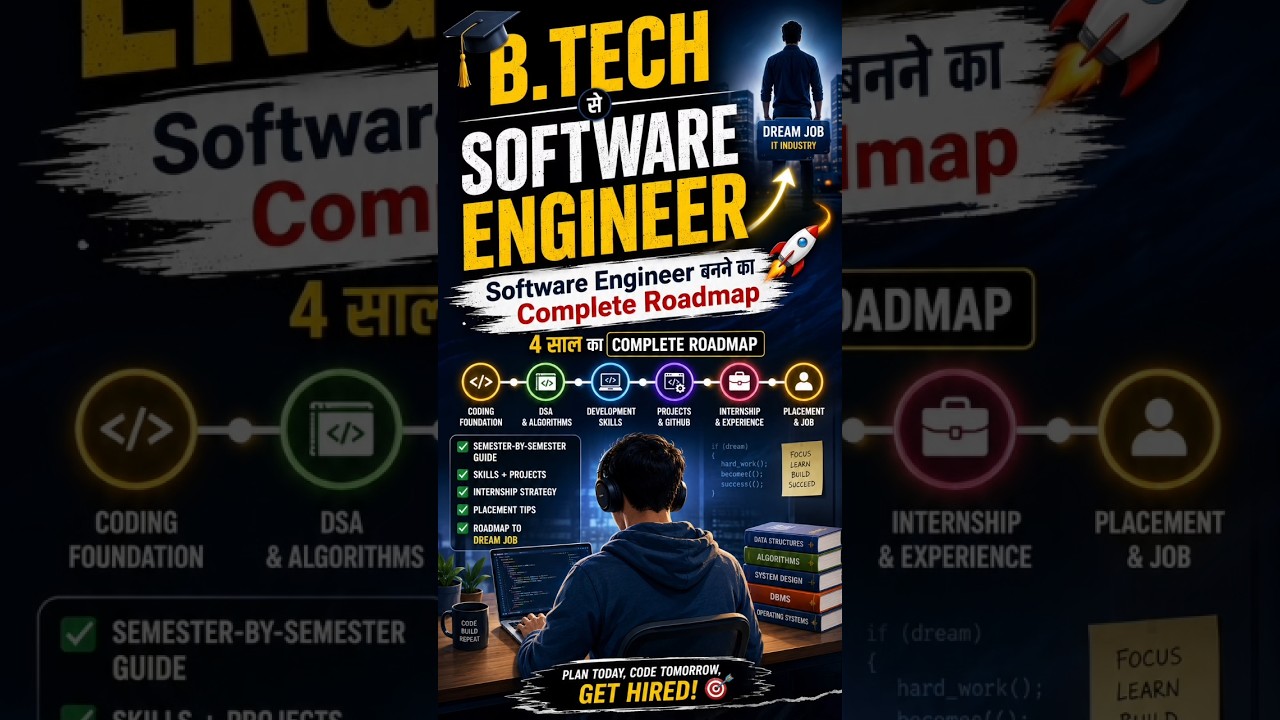
B.Tech to Tech Pro: The Ultimate 4-Year Roadmap for Engineering Software Careers

...
engineering information technology
B.Tech to Tech Pro: The Ultimate 4-Year Roadmap for Engineering Software Careers

B.Tech to Tech Pro: The Ultimate 4-Year Roadmap for Engineering Software Careers

This article provides an in-depth exploration of Engineering software, covering foundational concepts, practical applications, and engineering insights.

Transitioning from a B.Tech student to a high-paying software developer requires more than just attending college lectures. Without a clear plan, navigating four years of engineering can quickly become overwhelming. To stand out in today's competitive tech industry, you need a structured, semester-by-semester strategy that builds practical skills from day one.

Here is the ultimate 4-year roadmap to guide your journey from student to professional developer.

Year 1: Mastering Fundamentals and Logical Thinking

Your first year is all about breaking the ice with technology and developing a strong problem-solving mindset.
* Learn a Core Language: Pick one foundational language—such as C++, Java, or Python—and master its syntax and core logic.
* Understand Tech Ecosystems: Start exploring how modern engineering software works under the hood, including basic computer networks and operating system concepts.
* Build Consistency: Practice basic coding regularly on platforms like HackerRank or GeeksforGeeks.

Year 2: Data Structures, Algorithms, and Core CS Concepts

Year two is where serious technical preparation begins.
* Master DSA: Focus heavily on Data Structures and Algorithms (DSA). This is the backbone of almost all technical hiring interviews.
* Core CS Subjects: Pay close attention to Object-Oriented Programming (OOP), Database Management Systems (DBMS), and Operating Systems.
* Git & GitHub: Learn version control to manage and showcase your code repositories efficiently.

Year 3: Specialization and Hands-On Projects

By year three, it is time to move beyond theoretical knowledge and start building real-world applications.
* Pick a Tech Stack: Choose a domain such as Full-Stack Web Development, Mobile App Development, Cloud Computing, or Machine Learning.
* Build Projects: Create 2–3 end-to-end projects. Hands-on experience in building, debugging, and deploying applications demonstrates your practical ability to construct reliable engineering software.
* Open Source & Internships: Apply for summer internships and contribute to open-source projects on GitHub to gain industry exposure.

Year 4: Interview Prep, System Design, and Placement

Your final year is dedicated to conversion—turning your preparation into top job offers.
* Advanced DSA & Mock Interviews: Practice competitive programming and learn fundamental System Design principles. Conduct mock interviews to build confidence.
* Resume & Networking: Craft a clean, high-impact resume highlighting your best projects and internship experience. Optimize your LinkedIn profile and reach out for job referrals.
* Target the Right Companies: Apply for roles across tech startups and established enterprises that specialize in developing cutting-edge engineering software.

Final Thoughts

Consistency is the true key to transforming your B.Tech journey into a successful tech career. By breaking down your 4 years into clear semester-wise goals, you can build industry-ready skills step-by-step. Start today, stay disciplined, and take control of your engineering future!

Visual Insights & Illustrations

Engineering software