
Showing posts with label Digital Transformation. Show all posts

Unlocking the Future of Manufacturing: Monish Gandhi on AI and Industry 4.0

...
engineering information technology
Unlocking the Future of Manufacturing: Monish Gandhi on AI and Industry 4.0

Unlocking the Future of Manufacturing: Monish Gandhi on AI and Industry 4.0

This article provides an in-depth exploration of Industry 4.0, covering foundational concepts, practical applications, and engineering insights.

The industrial landscape is undergoing a massive transformation, driven by digital technology, real-time data analytics, and advanced automation. In a featured episode of The Industry 4.0 Podcast with Grantek, host Grantek sat down with Monish Gandhi, Founder and CEO of Gradient Ascent AI, to discuss how artificial intelligence is reshaping shop floors and executive decision-making alike.

With over 15 years of operational experience, Monish brings a practical, grounded perspective on bridging the gap between complex AI systems and everyday manufacturing operations.

The Intersection of AI and Operational Excellence

For many manufacturers, integrating artificial intelligence into existing workflows can feel like a daunting task. However, as Monish highlights, the goal of modern technology is not to replace human expertise, but to augment it. By combining operational data with machine learning algorithms, industrial organizations can unlock actionable insights that dramatically improve yield, reduce unplanned downtime, and optimize resource usage.

This shift represents a crucial milestone in the Industry 4.0 movement, where connected machinery and intelligent software work together to build resilient, self-optimizing factories.

Overcoming Challenges in Digital Transformation

Transitioning to a modern, tech-driven enterprise requires more than just deploying new tools—it demands strategic foresight and a cultural shift. During the interview, Monish outlines critical strategies for success, including:

  • Data Quality and Readiness: Ensuring legacy systems effectively capture and structure shop-floor data.
  • Scalable Implementation: Starting with targeted, high-impact pilot projects before rolling solutions out globally.
  • Workforce Empowerment: Equipping operators and engineers with intuitive tools that enhance daily decision-making.

By tackling these foundational elements, manufacturing leaders can successfully execute their Industry 4.0 initiatives and secure a sustainable competitive advantage in an ever-changing market.

Watch the Full Discussion

Whether you are an operational executive, plant engineer, or technology strategist, this episode offers invaluable insights into the practical application of AI in industrial environments.

To explore Monish Gandhi's full expert analysis and discover actionable strategies for your facility, watch the full episode on YouTube.

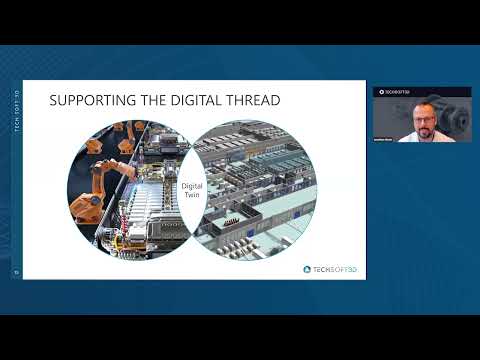

🎬 Related Video Reference

How to Build a Smart Factory: 7 Essential Steps for SMEs

...

The era of manual data entry and paper-shuffling on the shop floor is coming to an end. For small and medium-sized enterprises (SMEs), transitioning to a smart factory is no longer a luxury reserved for industry giants—it is a necessity for staying competitive in a fast-paced global market. But how do you start without being overwhelmed by the complexity?

Here is a 7-step roadmap to help your SME transition to a digital, paperless manufacturing environment.

1. Assess Your Current Processes

Before you buy any software, you need to understand your current workflow. Identify where paper bottlenecks occur. Is it in production planning, quality assurance, or maintenance logs? Knowing your "Status Quo" is the foundation of any digital upgrade.

2. Define Clear Objectives

What do you want to achieve first? Whether it’s reducing lead times, minimizing error rates, or achieving 100% traceability, having specific goals ensures that your digital transformation remains focused and measurable.

3. Get Your Team on Board

A smart factory is only as good as the people operating it. Digitalization often causes anxiety among staff. Involve your employees early in the process, explain the benefits (like less paperwork and easier tasks), and provide the necessary training to build confidence.

4. Start Small with a Pilot Project

Don’t try to digitize the entire plant overnight. Pick one specific production line or a single department to serve as a pilot. This allows you to test digital tools, gather feedback, and fix bugs before scaling up to the rest of the facility.

5. Prioritize Data Connectivity

The heart of digital manufacturing is data. Ensure your machines can communicate with your software systems (such as an ERP or MES). Moving toward a paperless environment requires a "single source of truth" where data is updated in real-time.

6. Implement User-Friendly Interfaces

On the shop floor, speed is everything. Use intuitive interfaces—such as tablets or touchscreens—that allow workers to log data with a few taps. If the digital solution is harder to use than the old paper form, your team won't adopt it.

7. Iterate and Optimize

Digitalization is an ongoing journey. Once your systems are live, use the data you’ve collected to find new efficiencies. The goal of a smart factory is continuous improvement through data-driven insights.

Conclusion

Transitioning to a digital production model might seem daunting, but by following these seven steps, SMEs can eliminate the "paper chaos" and build a future-proof operation. Start small, focus on your people, and let data lead the way to higher productivity.

Unlocking the Hidden Value of Your CAD Data Beyond Engineering

...

In modern manufacturing and product design, 3D models serve as the backbone of technical innovation. However, in many organizations, this rich CAD data remains trapped within the engineering department. While engineering teams rely heavily on these detailed design files to build physical products, the true business value of 3D assets extends far beyond product development.

Why Your 3D Assets Belong Outside the Engineering Silo

Think about the massive time and capital invested in creating precise engineering files. Once a design is approved, its journey shouldn’t end on a secure engineering server. By making CAD data accessible across departments—such as sales, marketing, e-commerce, and executive planning—businesses can drastically reduce content creation costs and speed up time-to-market.

For instance, marketing teams can convert complex engineering models into interactive 3D web viewers or augmented reality (AR) experiences. E-commerce platforms can offer customers realistic 3D previews of products before they buy, boosting buyer confidence and significantly lowering return rates.

Simplifying Workflows with VNTANA

One of the biggest hurdles to sharing technical files across teams is massive file sizes and software incompatibility. Engineering files are inherently heavy, packed with complex metadata that isn't necessary for web browsers or commercial applications.

This is where platforms like VNTANA revolutionize the digital workflow. By automating the conversion, compression, and optimization of 3D assets, VNTANA allows teams to transform heavy technical files into lightweight, web-ready 3D models instantly. This means non-technical teams can effortlessly utilize CAD data without needing specialized engineering software or advanced technical training.

Maximize ROI on Your Enterprise Assets

To stay competitive in today's digital landscape, companies must treat their 3D assets as multi-purpose enterprise investments. Unlocking your design files for cross-departmental use creates a seamless workflow from initial concept to final retail sale.

Stop letting your digital assets sit idle after production. Start converting your technical models into powerful sales tools, captivating marketing assets, and engaging customer experiences today.

How SMEs Can Build a Smart Factory: 7 Actionable Steps to Paperless Success

...
engineering information technology
How SMEs Can Build a Smart Factory: 7 Actionable Steps to Paperless Success

How SMEs Can Build a Smart Factory: 7 Actionable Steps to Paperless Success

This article provides an in-depth exploration of Smart factory, covering foundational concepts, practical applications, and engineering insights.

Transitioning to Industry 4.0 may seem like a challenge reserved only for global industrial giants with massive budgets. However, small and medium-sized enterprises (SMEs) can also harness the power of modern automation and data-driven operations. Building a modern smart factory doesn’t require an overnight overhaul; instead, it begins with strategic, incremental steps that digitize your shop floor and eliminate inefficient paper-based processes.

Why Go Paperless First?

Before jumping into complex robotics, the most practical starting point for any SME is eliminating physical paperwork. Paper production logs, printed work instructions, and manual tracking slow down manufacturing processes and introduce avoidable human error. By shifting to digital documentation, mid-sized manufacturers gain real-time visibility, cut administrative overhead, and build the clean data foundation necessary for advanced automation.

7 Key Steps to Build Your Smart Factory

To guide your digital transformation, here are seven concrete steps every SME should follow to modernize production:

  1. Assess Your Current Workflows: Evaluate your shop floor to identify manual bottlenecks, paper dependencies, and data silos.
  2. Digitize Work Instructions: Replace static paper manuals with digital displays that show up-to-date SOPs directly at individual workstations.
  3. Automate Data Collection: Shift from handwritten logs to digital interfaces for logging machine output, downtime, and quality control metrics.
  4. Connect Essential Equipment: Install cost-effective IoT sensors on core machinery to capture real-time performance data such as Overall Equipment Effectiveness (OEE).
  5. Centralize Shop Floor Systems: Connect your digital inputs into a central MES (Manufacturing Execution System) or existing ERP to unify operational data.
  6. Empower Your Workforce: Engage employees early by demonstrating how digital tools reduce daily friction and make their jobs easier.
  7. Scale Incrementally: Test digital initiatives on a single production line, measure the return on investment, and refine your approach before rolling it out facility-wide.

The Future of SME Manufacturing

Transforming your operations into a fully optimized smart factory is an ongoing journey rather than a one-time project. By focusing on fast, practical wins like paperless manufacturing, SMEs can remain agile, trim operating expenses, and secure a strong competitive advantage in a rapidly evolving market.


🎬 Related Video Reference

The Evolution of Manufacturing: From Industry 4.0 to Industry 5.0

...

The global industrial landscape is undergoing a massive transformation. Over the past decade, Industry 4.0 has revolutionized how businesses operate, introducing unprecedented levels of automation, connectivity, and data-driven decision-making. As we continue to build upon these technological advancements, the conversation is already expanding toward the next frontier: Industry 5.0.

What Is Industry 4.0 and Why Does It Matter?

At its core, Industry 4.0 refers to the fourth industrial revolution—a phase characterized by smart manufacturing, cyber-physical systems, the Internet of Things (IoT), and cloud computing. By connecting machines to intelligent networks, organizations can optimize supply chains, predict maintenance needs, and reduce downtime significantly.

Key drivers of this era include: - Artificial Intelligence & Machine Learning: Enabling autonomous decision-making on the factory floor. - Big Data Analytics: Turning massive amounts of raw operational data into actionable business insights. - System Integration: Creating seamless communication between physical production assets and digital enterprise systems.

Transitioning Beyond: The Rise of Industry 5.0

While Industry 4.0 focuses heavily on hyper-automation and efficiency through technological systems, Industry 5.0 brings a crucial element back into the equation: human collaboration. Rather than replacing human workers, Industry 5.0 emphasizes placing human creativity and well-being at the center of production processes alongside advanced robotics and AI.

This next phase prioritizes three core pillars: 1. Human-Centricity: Designing technology to empower human operators rather than supersede them. 2. Sustainability: Developing resource-efficient processes to minimize environmental footprint. 3. Resilience: Building agile infrastructure capable of adapting to global supply chain disruptions.

Preparing for the Future of Smart Manufacturing

As highlighted in educational insights by experts like Dr. Ali Asghar, understanding the transition between these industrial eras is vital for modern engineers, business leaders, and policymakers. Navigating this evolution requires balancing digital efficiency with human-centered innovation. Organizations that successfully bridge the gap between automated systems and human talent will be best positioned to lead the future of industry.

Transforming Production: A Deep Dive into Smart Factory MES for Discrete Manufacturing

...
engineering information technology
Transforming Production: A Deep Dive into Smart Factory MES for Discrete Manufacturing

Transforming Production: A Deep Dive into Smart Factory MES for Discrete Manufacturing

This article provides an in-depth exploration of Smart factory, covering foundational concepts, practical applications, and engineering insights.

In the fast-evolving world of industrial production, the demand for precision, flexibility, and speed has never been higher. For leaders in the discrete manufacturing sector, transitioning toward a smart factory model is no longer a luxury—it is a competitive necessity. Managing complex assemblies, intricate routing, and diverse work instructions requires more than just manual oversight; it requires a sophisticated digital backbone.

Mastering Complex Process Management
Discrete manufacturing is uniquely challenging due to the variety of parts and the non-linear nature of production paths. Proficy Smart Factory MES (Manufacturing Execution System) is designed to simplify these complexities. By providing a centralized platform for route configuration, the system ensures that every product follows the exact sequence required for quality assurance. Whether you are dealing with high-volume components or highly customized builds, the ability to define and adjust workflows in real-time is a game-changer for operational agility.

Real-Time Data and Operator Guidance
At the heart of any successful smart factory is a robust Manufacturing Execution System that bridges the gap between the shop floor and the enterprise level. One of the standout features of the Proficy suite is its ability to deliver dynamic work instructions directly to operators. By replacing paper-based manuals with interactive, digital guides, manufacturers can significantly reduce the risk of human error and ensure that safety and compliance standards are met at every workstation.

Furthermore, the system provides unparalleled visibility into the production lifecycle. Managers can track work-in-progress (WIP) in real-time, identifying bottlenecks before they cause significant delays. This data-driven approach allows for continuous improvement, enabling teams to optimize cycle times and improve overall equipment effectiveness (OEE).

Efficiency Through Digital Connectivity
The ultimate goal of digital transformation is to create a seamless flow of information across the organization. Staying ahead in the era of the smart factory means leveraging tools that provide actionable insights. Proficy Smart Factory MES does exactly that, turning raw production data into a strategic asset. By integrating complex discrete processes into a single, cohesive digital environment, manufacturers can achieve higher throughput, lower costs, and a much faster time-to-market.

As we look toward the future of industry, the integration of advanced MES solutions will be the defining factor for those who lead the market. Transitioning to a digitally-enabled environment is the best way to ensure your manufacturing operations remain resilient, scalable, and ready for the challenges of tomorrow.


🎬 Related Video Reference

Navigating the Smart Manufacturing Revolution: Insights on Industry 4.0 with Strah Sopcic

...
engineering information technology
Navigating the Smart Manufacturing Revolution: Insights on Industry 4.0 with Strah Sopcic

Navigating the Smart Manufacturing Revolution: Insights on Industry 4.0 with Strah Sopcic

This article provides an in-depth exploration of Industry 4.0, covering foundational concepts, practical applications, and engineering insights.

The manufacturing landscape is undergoing a massive shift, driven by rapid digital transformation and advanced automation. In a compelling episode of The Industry 4.0 Podcast with Grantek, experts dive deep into how modern industrial facilities can successfully navigate this evolution. Featured guest Strah Sopcic, a Solutions Architect and Consultant at 4IR Solutions, shares practical strategies for helping manufacturers modernize their operational technology.

Demystifying Digital Transformation in Manufacturing

For many industrial leaders, transitioning from legacy equipment to connected, smart factories can feel overwhelming. Strah Sopcic and the team at 4IR Solutions specialize in helping companies bridge this critical technology gap. By implementing simplified hybrid-cloud infrastructures and edge-computing platforms, they enable facilities to adopt Industry 4.0 capabilities without disrupting existing plant operations.

During the discussion, Sopcic emphasizes that successful transformation is not merely about adopting new software—it is about building an integrated operational ecosystem. This connected environment provides real-time data visibility, enables predictive maintenance, and significantly boosts overall equipment effectiveness across the enterprise.

Overcoming Implementation Barriers

One of the biggest hurdles industrial organizations face is moving beyond initial pilot projects into full-scale deployment. Sopcic highlights common operational technology (OT) and information technology (IT) integration challenges, offering actionable advice on how to align these distinct departments.

Successfully implementing Industry 4.0 initiatives requires a clear roadmap, scalable architecture, and robust cybersecurity measures. By utilizing infrastructure designed specifically for industrial environments, manufacturers can safely extract high-value insights from raw operational data while maintaining continuous uptime.

Key Takeaways for Industrial Leaders

Whether your organization is just beginning its digital journey or seeking to optimize existing smart manufacturing systems, embracing Industry 4.0 requires both strategic vision and technical precision. Essential lessons from Strah Sopcic’s interview include:

  • Focus on Scalability: Build on a flexible architecture that expands seamlessly as operational needs grow.
  • Align IT and OT Teams: Foster cross-functional collaboration to streamline data flow and platform adoption.
  • Drive Business Value with Data: Ensure plant-floor data is captured, analyzed, and delivered to decision-makers in real time.

Conclusion

The shift toward fully automated, data-driven production is essential for maintaining a competitive edge in today's global market. To gain deeper technical insights and hear the complete conversation with Strah Sopcic, be sure to check out the full episode on The Industry 4.0 Podcast with Grantek.

Visual Insights & Illustrations

Industry 4.0
Industry 4.0
Industry 4.0

Overcoming Sensory Overload in Industry 4.0: Key Insights from 4IR Solutions

...
engineering information technology
Overcoming Sensory Overload in Industry 4.0: Key Insights from 4IR Solutions

Overcoming Sensory Overload in Industry 4.0: Key Insights from 4IR Solutions

This article provides an in-depth exploration of Industry 4.0, covering foundational concepts, practical applications, and engineering insights.

In the rapidly evolving landscape of smart manufacturing, modern industrial facilities are collecting more real-time data than ever before. However, with this constant stream of metrics from connected machines, IoT sensors, and enterprise systems comes a major modern challenge: sensory overload.

In a featured episode of The Industry 4.0 Podcast with Grantek, host Grantek sits down with Strah Sopcic, a Solutions Architect at 4IR Solutions, to explore how manufacturers can manage this influx of digital noise and build scalable, resilient systems.

The Challenge of Digital Sensory Overload

With sensors embedded across every layer of the shop floor, control room operators and system architects often find themselves buried under endless alerts, complex dashboards, and fragmented data streams. While collecting raw data is necessary, many manufacturers struggle to extract clear, actionable intelligence from the clutter.

As Sopcic points out, without a streamlined architectural strategy, the very tools designed to boost productivity can lead to operational friction and severe decision fatigue.

Streamlining Architecture for Industrial Efficiency

To successfully overcome sensory overload, companies must reimagine their digital infrastructure from the ground up. Adopting cloud-native hybrid architectures allows industrial enterprises to filter and process critical operational data at the edge while routing high-level analytics to the cloud.

By simplifying data pipelines and standardizing integration protocols, Industry 4.0 initiatives become drastically easier to scale and manage. This targeted approach ensures that plant operators receive only the context-rich data that truly matters for immediate decision-making.

Transforming Raw Data into Actionable Intelligence

Ultimately, successful digital transformation isn't about capturing every single byte of data—it is about empowering workforce performance. By leveraging modern containerized platforms and hybrid-cloud infrastructure built specifically for Industry 4.0, manufacturers can eliminate unnecessary complexity, reduce cognitive load on operators, and unlock sustainable operational excellence.

Visual Insights & Illustrations

Industry 4.0
Industry 4.0
Industry 4.0

Method for Change Management in Smart Factory Maintenance

...

In the era of Industry 4.0, transitioning to a smart factory is not just about upgrading hardware; it’s about managing the human and process-driven shifts. Implementing an effective Method for Change Management in Smart Factory Maintenance is crucial for ensuring operational continuity and maximizing ROI.

The Pillars of Change Management in Smart Maintenance

Moving from reactive to predictive maintenance requires a cultural shift. Below are the core methodologies to manage this transition effectively:

  • Digital Readiness Assessment: Evaluate your current infrastructure and staff skill sets before deploying IIoT sensors and AI analytics.
  • Standardization of Protocols: Ensure that all automated maintenance alerts follow a unified workflow to prevent data silos.
  • Continuous Skill Development: Upskill technicians to interpret data insights rather than just performing manual repairs.

Step-by-Step Framework for Implementation

To successfully integrate change management into your Smart Factory Maintenance routine, follow these strategic steps:

  1. Define Objectives: Clearly state how the change will reduce downtime and improve equipment effectiveness (OEE).
  2. Stakeholder Engagement: Involve maintenance teams early in the selection of CMMS (Computerized Maintenance Management Systems).
  3. Pilot Testing: Implement change in one production line before a full-scale factory rollout.
  4. Feedback Loops: Use real-time data to refine maintenance schedules and address workforce concerns.
"The success of a Smart Factory depends 20% on the technology and 80% on the people and processes managing it."

Conclusion

Adopting a robust Method for Change Management in Smart Factory Maintenance ensures that your organization stays agile. By focusing on clear communication, structured training, and data-driven decision-making, you can transform maintenance from a cost center into a strategic advantage.

Technique for Scaling Predictive Maintenance Across Factories

...

Scaling Predictive Maintenance (PdM) from a single pilot plant to a global network of factories is a significant challenge for modern manufacturers. While the ROI of preventing unplanned downtime is clear, the transition requires more than just installing sensors; it demands a robust strategic framework.

The Core Pillars of Scalable Predictive Maintenance

To successfully expand your PdM capabilities across multiple sites, focus on these three essential techniques:

1. Standardizing Data Architecture with IIoT

The foundation of scaling is Standardization. Different factories often use varied legacy equipment. By implementing a unified Industrial IoT (IIoT) gateway, you can normalize data formats before they reach the cloud. This ensures that your Machine Learning models can interpret data from a pump in Germany just as easily as one in Thailand.

2. Leveraging Transfer Learning in AI Models

Building a new model for every machine is inefficient. Use Transfer Learning—a technique where a model developed for one task is reused as the starting point for a model on a second task. This allows you to deploy baseline predictive models quickly across similar assets (like motors or compressors) and fine-tune them with site-specific data later.

3. Centralized "Center of Excellence" (CoE)

Scaling is as much about people as it is about technology. Establishing a Digital Center of Excellence allows a central team of data scientists to manage model health across all factories, while local maintenance teams focus on executing the "prescribed" actions. This centralized-decentralized hybrid approach ensures consistency and fast troubleshooting.

Benefits of Enterprise-Wide Scaling

  • Reduced Maintenance Costs: Lowering spare parts inventory through global visibility.
  • Asset Longevity: Extending the lifecycle of critical machinery across the entire fleet.
  • Data-Driven Culture: Empowering factory managers with actionable insights rather than raw data.
"Scaling Predictive Maintenance is not about a single 'perfect' algorithm; it’s about building a repeatable digital ecosystem."

By focusing on interoperability, modular AI, and organizational alignment, companies can transform their maintenance strategy from reactive to proactive on a global scale.

Method for Transforming Raw Sensor Data into Predictive Insights

...

Mastering the journey from IoT noise to actionable business intelligence.

In the era of the Industrial Internet of Things (IIoT), the challenge is no longer just collecting data, but transforming raw sensor data into predictive insights. Raw data is often noisy, inconsistent, and voluminous. To bridge the gap between "signals" and "decisions," a structured pipeline is essential.

Step 1: Data Acquisition and Pre-processing

The foundation of predictive analytics starts with cleaning. Sensor data frequently contains outliers caused by electromagnetic interference or hardware malfunctions. Applying techniques like Kalman Filtering or simple Moving Averages helps in smoothing the signal.

  • Normalization: Scaling data to a range (e.g., 0 to 1).
  • Denoising: Removing high-frequency noise that obscures trends.

Step 2: Feature Engineering and Extraction

Raw time-series data rarely tells the whole story. We must extract "features" such as Mean Time Between Failures (MTBF), spectral density, or peak-to-peak values. This step is crucial for training effective Machine Learning models.

Step 3: Predictive Modeling

Using historical data, we deploy algorithms like Random Forest or Long Short-Term Memory (LSTM) networks to predict future states. Whether it is predictive maintenance for a turbine or anomaly detection in a smart grid, the goal is to identify patterns before they become problems.

By implementing this method, organizations can transition from reactive troubleshooting to proactive optimization, ensuring high operational efficiency and reduced downtime.

Approach to Aligning Maintenance Systems with Smart Factory Objectives

...

In the era of Industry 4.0, the transition to a Smart Factory is no longer just an option; it's a necessity for competitive survival. However, many organizations fail because their maintenance systems remain siloed from their digital transformation goals. To achieve true operational excellence, aligning maintenance strategies with smart factory objectives is critical.

1. Shift from Reactive to Predictive Maintenance (PdM)

The primary objective of a Smart Factory is to minimize downtime. Aligning your maintenance system starts with moving away from "fixing when broken." By utilizing IoT sensors and Big Data analytics, maintenance becomes proactive. This alignment ensures that asset reliability directly supports the factory's goal of continuous, uninterrupted production.

2. Integrating CMMS with Industrial IoT (IIoT)

For a maintenance system to be "smart," it must talk to the machines. Integrating a Computerized Maintenance Management System (CMMS) with IIoT platforms allows for real-time data flow. This integration provides the digital twin visibility needed to make informed decisions based on actual machine health rather than estimated schedules.

3. Empowering the Workforce with Augmented Reality (AR)

Smart Factory objectives often include workforce optimization. By incorporating AR-assisted maintenance, technicians can access digital manuals and remote expert guidance in real-time. This reduces "Mean Time to Repair" (MTTR) and aligns human skill sets with high-tech factory environments.

4. Data-Driven Decision Making and KPI Alignment

To ensure long-term alignment, maintenance KPIs must reflect Smart Factory goals. Instead of just tracking costs, focus on Overall Equipment Effectiveness (OEE) and energy efficiency. Using AI-driven insights, maintenance managers can predict failures before they impact the bottom line.

Conclusion

Aligning maintenance systems with Smart Factory objectives requires a holistic approach—combining technology, data, and people. By embracing Predictive Maintenance and Digital Integration, companies can transform their maintenance department from a cost center into a value-driven engine of the modern enterprise.

Future-Proofing Your Talent: A Strategic Approach to Workforce Transformation for Discovery 4.0

...

In the era of Discovery 4.0, the landscape of innovation is shifting from simple automation to intelligent exploration. As industries evolve, the need for a comprehensive Workforce Transformation becomes paramount. To remain competitive, organizations must transition from traditional operational models to data-driven, agile environments.

The Core Pillars of Transformation

Success in Discovery 4.0 isn't just about adopting new technology; it's about empowering the people who use it. Here are the key strategies:

  • Digital Literacy & AI Integration: Employees must move beyond basic computer skills to understanding how AI-driven discovery tools can enhance their decision-making processes.
  • Agile Mindset Adoption: Transitioning to a culture that embraces continuous experimentation and rapid learning cycles.
  • Hybrid Skillsets: Combining deep domain expertise with data science capabilities to unlock new insights in R&D and production.

Implementation Strategy

To execute a successful Workforce Transformation, leaders should focus on upskilling and reskilling initiatives. This involves creating a personalized learning journey for every team member, ensuring that the "human element" remains at the heart of the digital revolution.

"Discovery 4.0 is the synergy between human intuition and machine intelligence."

Conclusion

Embracing the Approach to Workforce Transformation for Discovery 4.0 is no longer optional. By fostering a culture of continuous growth and technical proficiency, businesses can ensure they are prepared for the breakthroughs of tomorrow.

Revolutionizing Industry: A Multi-Layered Method for Designing National-Scale Material Discovery 4.0 Platforms

...

Accelerating innovation through the integration of AI, Big Data, and Autonomous High-Throughput Experiments.

In the era of Industry 4.0, the speed of material innovation defines national competitiveness. The Material Discovery 4.0 Platform represents a paradigm shift from traditional "trial and error" to a data-driven, autonomous ecosystem. This article outlines a strategic method for designing such a large-scale infrastructure.

1. The Four Pillars of Material Discovery 4.0

To build a robust National-Scale Material Discovery framework, four critical components must be integrated:

  • Data Infrastructure: A unified database following FAIR principles (Findable, Accessible, Interoperable, Reusable).
  • Artificial Intelligence & Machine Learning: Utilizing Deep Learning and Generative Models to predict material properties before physical synthesis.
  • High-Performance Computing (HPC): Providing the raw power for complex Density Functional Theory (DFT) simulations.
  • Autonomous Labs (Self-Driving Labs): Robotic systems that perform high-throughput experiments with minimal human intervention.

2. Strategic Implementation Roadmap

Designing a Material Discovery Platform involves a multi-layered approach. Initially, the focus is on creating a digital twin of the material genome. By leveraging Machine Learning workflows, researchers can screen millions of potential compounds in days rather than decades.

Key keywords for SEO: Computational Materials Science, Material Informatics, AI in Chemistry, National Research Infrastructure.

3. Socio-Economic Impact

Implementing a national platform accelerates the development of clean energy solutions, advanced semiconductors, and sustainable polymers. It fosters collaboration between academia and industry, ensuring that Material Discovery 4.0 becomes the backbone of modern manufacturing.

Conclusion: The method for designing a national-scale platform lies in the seamless fusion of digital intelligence and physical automation. It is not just a tool, but a catalyst for the next industrial revolution.

Navigating the Future: A Methodological Framework for Institutional Adoption of Trusted Discovery 4.0

...

In the era of rapid digital evolution, the Method for Institutional Adoption of Trusted Discovery 4.0 has become a cornerstone for organizations seeking to enhance their research and data retrieval capabilities. This framework focuses on integrating advanced AI-driven search mechanisms with a foundation of data integrity and institutional trust.

The Core Pillars of Trusted Discovery 4.0

To successfully implement this method, institutions must focus on several key pillars that ensure the transition is both seamless and secure:

  • Verifiable Credibility: Ensuring that all discovered data originates from validated sources.
  • Seamless Interoperability: Creating a unified system where diverse institutional databases can communicate effectively.
  • Adaptive Intelligence: Utilizing machine learning to refine discovery results based on institutional needs.

Implementation Roadmap

The institutional adoption process follows a structured methodology. Initially, an infrastructure audit is conducted to identify gaps in the current "Discovery 3.0" setup. Following this, the Trusted Discovery 4.0 protocols are layered into the existing digital ecosystem.

"Adopting Trusted Discovery 4.0 is not merely a technical upgrade; it is a cultural shift towards data transparency and algorithmic accountability."

By prioritizing methodological adoption, institutions can reduce information silos and empower researchers with high-fidelity, real-time insights that were previously inaccessible.

Conclusion

As we move further into the decade, the Method for Institutional Adoption of Trusted Discovery 4.0 will define the leaders in knowledge management. Organizations that embrace this framework today will be the ones driving the innovations of tomorrow.

The Digital Revolution in Eco-Innovation: Accelerating Green Material Discovery Digitally

...

In the face of global climate challenges, the race to find sustainable alternatives to traditional plastics and chemicals has never been more urgent. The traditional "trial and error" method in laboratories is often slow and resource-intensive. Today, the method for accelerating green material discovery digitally is transforming how researchers develop eco-friendly solutions.

The Power of Computational Materials Science

By leveraging High-Performance Computing (HPC) and advanced algorithms, scientists can now simulate molecular interactions before ever stepping into a physical lab. This digital-first approach significantly reduces waste and speeds up the development cycle of green materials.

Integrating AI and Machine Learning

Artificial Intelligence (AI) plays a pivotal role in digital material discovery. Machine learning models can analyze vast datasets of chemical properties to predict which combinations will yield the most durable and biodegradable results. This predictive modeling is a cornerstone of the modern accelerated discovery method.

  • Reduced R&D Costs: Digital simulations minimize the need for expensive physical prototypes.
  • Faster Time-to-Market: Rapid screening of candidates leads to quicker breakthroughs.
  • Data-Driven Sustainability: Precise calculations ensure that the lifecycle of the material is truly "green."

Conclusion

Transitioning to a digital workflow for material science is not just a technological upgrade; it is a necessity for a sustainable future. By accelerating green material discovery digitally, we are paving the way for a cleaner, more efficient industrial landscape.

The Future of R&D: A Strategic Approach to Material Innovation Powered by HPC

...

Unlocking the potential of next-generation materials through advanced computational power.

In the modern industrial landscape, the race to discover lighter, stronger, and more sustainable materials is intensifying. The traditional "trial and error" method in laboratories is no longer sufficient. This is where High-Performance Computing (HPC) becomes the ultimate game-changer in Strategic Material Innovation.

Why HPC for Material Discovery?

High-Performance Computing allows researchers to simulate molecular structures and material behaviors at an unprecedented scale. By leveraging HPC, companies can reduce R&D costs and significantly shorten the time-to-market for new products.

  • Atomic-Level Simulation: Understanding material properties before physical prototyping.
  • Predictive Analytics: Using AI and machine learning on HPC clusters to predict material failure or success.
  • Sustainability: Designing eco-friendly materials by simulating chemical life cycles.

The Strategic Framework

To implement a successful material innovation strategy using HPC, organizations must follow a structured approach:

  1. Data Acquisition: Gathering vast datasets from previous material experiments.
  2. Multi-scale Modeling: Simulating materials from the quantum level to the macro-structural level.
  3. Digital Twin Integration: Creating a virtual counterpart of the material to test in various environments.

Conclusion

Strategic Material Innovation using HPC is not just a trend; it is a necessity for industries like aerospace, automotive, and renewable energy. By embracing computational excellence, we are not just discovering materials; we are engineering the future.

HPC, Material Innovation, Technology, R&D, Simulation, Science, Digital Transformation

Scaling Intelligence: Strategic Techniques for Industry-Scale Adoption of Discovery 4.0

...

In the current industrial landscape, Discovery 4.0 represents more than just a technological upgrade; it is a paradigm shift in how enterprises identify insights and automate decision-making. However, moving from a pilot project to industry-scale adoption requires a robust framework and specific strategic techniques.

1. Data Harmonization and Semantic Interoperability

The foundation of Discovery 4.0 is data. To achieve scale, industries must move beyond siloed data repositories. Implementing a Unified Namespace (UNS) architecture allows for real-time data accessibility across all layers of the organization. By ensuring semantic interoperability, AI models can discover patterns across disparate systems, from the shop floor to the executive suite.

2. Implementation of Edge-to-Cloud Orchestration

For large-scale operations, processing all data in the cloud is inefficient. A key technique for industry-scale adoption is leveraging Edge Computing. By deploying Discovery 4.0 tools at the edge, companies can achieve low-latency responses for critical operations while syncing high-level insights to the cloud for long-term strategic analysis.

3. Human-Centric AI Augmentation

True adoption happens when technology empowers the workforce. Discovery 4.0 should be positioned as an Augmented Intelligence tool. Techniques include developing intuitive dashboards and "No-Code" discovery platforms that allow domain experts—who may not be data scientists—to interpret complex industrial trends and take immediate action.

4. Continuous Discovery and Feedback Loops

Industry-scale adoption is not a "set and forget" process. It requires a Continuous Integration and Continuous Deployment (CI/CD) mindset applied to data science. By establishing automated feedback loops, the Discovery 4.0 engine learns from operational outcomes, constantly refining its predictive accuracy to match evolving market demands.

The Future of Industrial Discovery

Scaling Discovery 4.0 is the definitive step toward a fully autonomous enterprise. By focusing on data architecture, edge integration, and human empowerment, organizations can transform raw information into a sustainable competitive advantage.

Mastering Innovation: How HPC-Driven Simulation Creates a Competitive Advantage in Materials Engineering

...


In the rapidly evolving landscape of manufacturing and design, the race to develop superior materials is no longer just about laboratory experiments. Today, the approach to HPC-driven competitive advantage in materials engineering is the defining factor for industry leaders.

The Shift to Computational Materials Science

Traditional "trial and error" methods in material discovery are time-consuming and costly. By leveraging High-Performance Computing (HPC), engineers can simulate atomic structures and molecular interactions at an unprecedented scale. This digital-first approach allows companies to predict material behavior under extreme conditions before a physical prototype ever exists.

Strategic Advantages of HPC Integration

  • Accelerated Time-to-Market: Rapidly screen thousands of candidate materials using multi-scale modeling.
  • Cost Reduction: Minimize the need for expensive physical testing and waste during the R&D phase.
  • Enhanced Innovation: Discover novel alloys and polymers with specific properties, such as high heat resistance or superior conductivity, that were previously unreachable.

Bridging Simulation and Reality

To gain a true competitive advantage, firms must integrate HPC workflows with Finite Element Analysis (FEA) and Computational Fluid Dynamics (CFD). This synergy ensures that materials engineering is not an isolated silo but a core part of the product lifecycle management. As we move toward a "Digital Twin" era, the reliance on supercomputing will only increase.

"The integration of HPC in materials science is not just an upgrade; it is a fundamental shift in how we build the future."

Conclusion

Adopting an HPC-driven strategy provides more than just speed; it provides the precision and insight necessary to out-innovate the competition. For materials engineers, mastering these computational tools is the key to unlocking the next generation of industrial breakthroughs.

Accelerating Innovation: Advanced Techniques for Compressing Industrial Material Development Timelines

...

In the rapidly evolving landscape of modern manufacturing, the traditional 10-to-20-year cycle for industrial material development is no longer sustainable. To maintain a competitive edge, companies are now adopting disruptive strategies to compress R&D timelines without compromising quality or safety.

1. Integrating AI and Machine Learning (Informatics)

The integration of Materials Informatics is perhaps the most significant shift in the industry. By leveraging AI algorithms, researchers can predict material properties before even entering the lab. This "virtual screening" reduces thousands of potential candidates to a handful of high-probability compositions.

  • Data-driven discovery: Using historical data to train predictive models.
  • Automated workflows: Reducing manual intervention in repetitive testing phases.

2. High-Throughput Experimental (HTE) Methods

Traditional "one-variable-at-a-time" testing is being replaced by High-Throughput Experimentation. This technique allows scientists to conduct hundreds of experiments simultaneously using robotics and automated characterization tools, significantly slashing the time spent in the synthesis phase.

3. Digital Twin and Multiscale Modeling

Creating a Digital Twin of a material allows for sophisticated simulations across different scales—from the atomic level to the final structural component. By utilizing Finite Element Analysis (FEA), engineers can visualize how a new alloy or polymer will perform under real-world stress long before a physical prototype is manufactured.

"The goal is to move from a process of trial-and-error to a process of intentional design."

4. Collaborative Ecosystems and Open Innovation

Compression of timelines is not just about technology; it’s about the ecosystem. Partnering with specialized startups, academic institutions, and using cloud-based R&D platforms ensures that data flows seamlessly between departments, preventing silos that typically slow down product launches.

Conclusion

Compressing the industrial material development timeline is a multifaceted challenge that requires a blend of Artificial Intelligence, automated hardware, and strategic digital modeling. By adopting these techniques, organizations can transition from reactive testing to proactive innovation, bringing next-generation materials to market in record time.