Showing posts with label Digital Strategy. Show all posts

Rethinking Centralization: Does Everything Belong in Your PLM System?

...
engineering information technology
Rethinking Centralization: Does Everything Belong in Your PLM System?

Rethinking Centralization: Does Everything Belong in Your PLM System?

This article provides an in-depth exploration of PLM system, covering foundational concepts, practical applications, and engineering insights.

When organizations embark on digital transformation, the phrase "centralized data" often gets misunderstood. Many teams assume that establishing a single source of truth requires dumping every piece of company information into a single software platform. However, overloading your core tools often leads to digital clutter, confusion, and reduced operational efficiency.

Not every piece of data belongs in your PLM system. To build a streamlined product development workflow, businesses must distinguish between true data governance and data overload.

Centralized Doesn't Mean "All-in-One"

True centralization is not about consolidating every operational detail into one monolithic database. Instead, it means establishing absolute clarity on where specific information is owned, maintained, and accessed across your digital ecosystem.

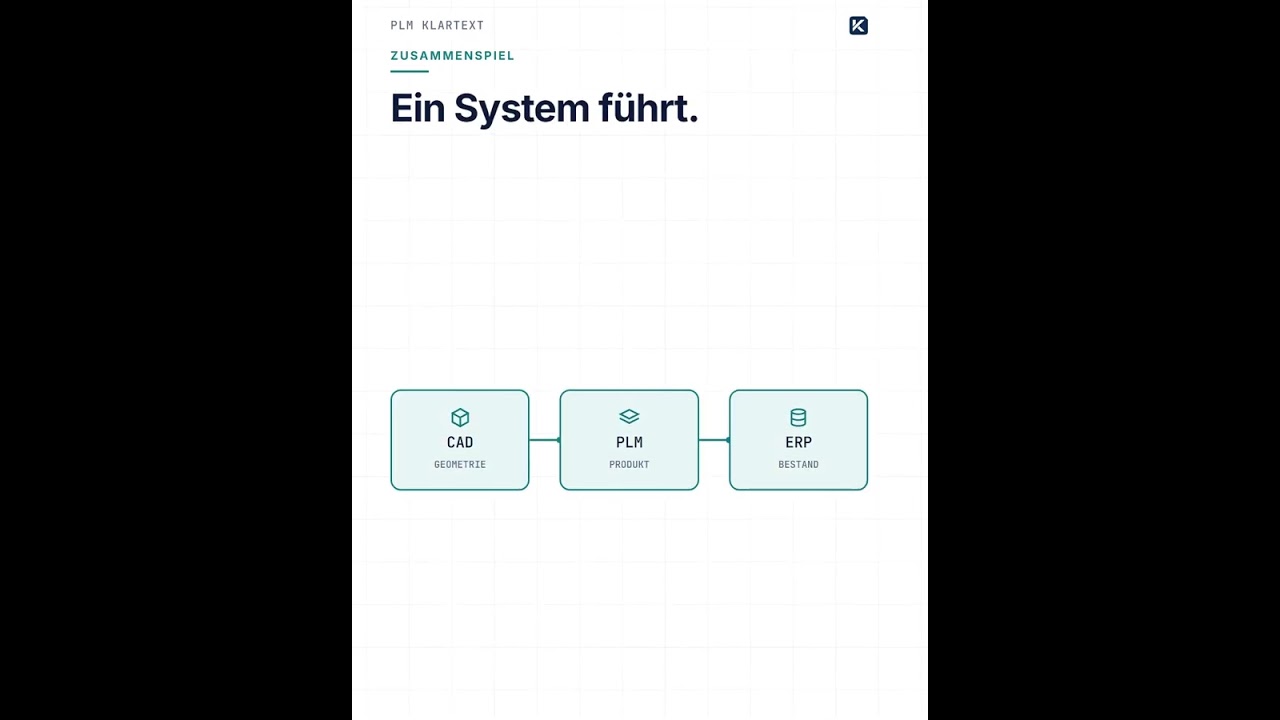
A modern enterprise architecture connects specialized tools—such as ERP, CRM, and MES—where each platform handles the specific domain it was built for. When you force unrelated administrative or transactional data into a PLM system, you slow down system performance and make critical product data harder for engineers and stakeholders to navigate.

Clarify the Purpose of Your Information

Before assigning any piece of data to a platform, you must clarify its core purpose. Ask yourself what business process the data primarily serves:

  • Product Definition & Lifecycle Data: CAD models, Bills of Materials (BOM), engineering change requests, and technical specifications naturally belong in product lifecycle management.
  • Transactional & Financial Data: Purchase orders, supplier pricing, and real-time inventory levels are best managed within an ERP platform.
  • Customer & Market Feedback: User requirements, sales notes, and support tickets should originate in your CRM.

By defining these clear boundaries, your PLM system remains an agile, authoritative hub for product structure and design data without getting bogged down by non-essential administrative details.

Strategy Over Storage

Successful data architecture relies on smart integration rather than dumping everything into one location. Focus on establishing clear data ownership, defining distinct system boundaries, and building seamless integrations between your tools. By keeping your product management ecosystem lean and purposeful, you empower your teams to find the exact information they need—right where it truly belongs.


🎬 Related Video Reference

IT Engineering: The Backbone of Data-Driven Organizational Transformation

...

In the modern business landscape, Data-Driven Organizational Transformation is no longer an option—it is a necessity for survival. However, the bridge between raw data and actionable insights isn't built on willpower alone; it requires robust IT Engineering.

The Role of IT Engineering in Digital Evolution

IT Engineering serves as the foundational layer that enables companies to collect, process, and analyze vast amounts of information. To move toward a Data-Driven culture, organizations must modernize their legacy systems and integrate advanced technical frameworks.

Key Pillars of Technical Transformation:

  • Scalable Data Infrastructure: Utilizing cloud-native solutions to handle growing data volumes.
  • Data Pipeline Automation: Ensuring seamless ETL (Extract, Transform, Load) processes for real-time analytics.
  • Security and Governance: Protecting sensitive information while maintaining data accessibility.

Bridging the Gap Between Technology and Business

Successful organizational transformation happens when IT Engineering aligns with business goals. By implementing agile methodologies and DevOps practices, engineering teams can deliver Data Solutions that empower decision-makers at every level.

"Transformation is not just about adopting new tools; it's about re-engineering the way data flows through the heart of the enterprise."

Conclusion

The journey to becoming a data-centric entity is complex. Through strategic IT Engineering, businesses can unlock the true value of their data, fostering innovation and achieving sustainable growth in a competitive digital economy.

IT Engineering, Data Transformation, Data-Driven, Digital Strategy, Cloud Computing, Data Infrastructure, Business Intelligence

Transforming Business Landscapes through IT Engineering Innovation

...

In today’s hyper-competitive market, IT engineering innovation is no longer just a support function; it is the primary engine driving corporate evolution. As companies move away from legacy systems, the integration of advanced software architecture and cloud computing solutions has become essential for staying relevant.

The Role of Modern IT Engineering

The core of transforming a business lies in how it leverages data and automation. IT engineering innovation focuses on creating scalable infrastructures that allow businesses to pivot quickly. By implementing Agile development and DevOps practices, organizations can reduce time-to-market for new products, ensuring they meet customer demands in real-time.

Driving Efficiency through Scalable Systems

One of the most significant impacts of digital transformation is the optimization of internal workflows. Through smart IT engineering, businesses can automate repetitive tasks, allowing human talent to focus on high-level strategy. Key components include:

  • Cloud-Native Applications: Providing the flexibility to scale resources on demand.

  • Data-Driven Insights: Using AI-integrated engineering to predict market trends.

  • Cybersecurity Resilience: Building innovation on a foundation of trust and security.

Conclusion

As we look toward the future, the bridge between traditional business goals and technical execution will continue to shrink. Embracing IT engineering innovation is the only way to ensure long-term growth and a sustainable competitive advantage in the modern business landscape.

IT Innovation, Business Transformation, Engineering, Digital Strategy, Technology Trends, Cloud Computing, Software Development

Driving Innovation with IT Engineering and Digital Strategy

...

In today’s fast-paced digital era, businesses thrive by integrating IT engineering and digital strategy into their core operations. By leveraging advanced technology solutions, companies can enhance efficiency, streamline workflows, and create innovative products that stand out in competitive markets.

The Role of IT Engineering in Business Innovation

IT engineering focuses on designing, implementing, and maintaining robust digital infrastructures. From cloud computing to cybersecurity solutions, IT engineers play a crucial role in ensuring systems are reliable, scalable, and aligned with organizational goals.

Implementing Effective Digital Strategies

Successful digital strategy involves combining data analytics, process automation, and customer-centric digital tools. Businesses that adopt a proactive digital approach can improve decision-making, optimize resource management, and drive long-term growth.

Integrating Innovation into Company Culture

Innovation isn’t just about technology—it’s about culture. Encouraging collaboration between IT engineers, business leaders, and creative teams fosters an environment where digital transformation thrives. Companies embracing innovation see measurable improvements in efficiency, customer satisfaction, and revenue growth.

Conclusion

By merging IT engineering with a forward-thinking digital strategy, organizations can unlock unprecedented innovation. The future belongs to businesses that adopt technology wisely and integrate it seamlessly into their strategic vision.

IT engineering,digital strategy,technology solutions,digital transformation,business innovation,cloud computing,cybersecurity,data analytics,process automation,innovation culture,technology trends,business growth


The Digital Transformation Journey Starts with IT Engineering

...

In today's fast-paced business environment, digital transformation is no longer optional. Organizations worldwide are leveraging IT engineering to modernize their processes, improve efficiency, and drive innovation. By integrating cutting-edge technologies such as cloud computing, AI, and IoT, IT engineers play a crucial role in shaping the digital future.

The journey begins with a strategic IT roadmap, aligning business goals with technology initiatives. Companies adopting digital transformation strategies see improvements in operational efficiency, customer experience, and competitive advantage.

IT engineering teams focus on designing scalable infrastructure, automating workflows, and ensuring cybersecurity to enable a seamless digital journey. Organizations investing in continuous innovation and digital transformation tools are better positioned to respond to market demands and technological disruptions.

Embracing digital transformation with expert IT engineering is the key to unlocking new opportunities, enhancing productivity, and future-proofing businesses for years to come.

Digital Transformation, IT Engineering, Cloud Computing, AI, IoT, Business Innovation, Technology Roadmap, Cybersecurity, Workflow Automation, Digital Strategy