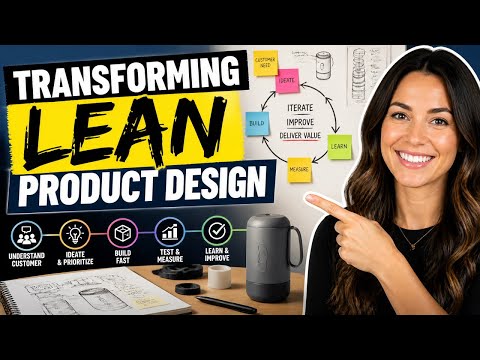
Traditional product development often relies on point-based design—a process where engineering teams choose a single design concept early in the project and attempt to optimize it. However, locking in a single path too soon frequently leads to unforeseen technical roadblocks, resulting in costly and frustrating late-stage engineering changes. To overcome these bottlenecks, forward-thinking manufacturers are turning to Lean design principles.
The Flaw of Early Design Lock-In
In traditional workflows, committing to one specific solution creates a fragile foundation. As project requirements evolve or unexpected technical challenges arise, teams are forced to make expensive modifications late in the development cycle. This reactive approach creates project delays, inflates budgets, and severely stifles creative innovation.
Understanding Set-Based Concurrent Engineering
Set-Based Concurrent Engineering (SBCE) reimagines this workflow entirely. Instead of gambling on a single early concept, SBCE keeps multiple design options open simultaneously. Engineering teams explore a "set" of broad possibilities, testing and evaluating them in parallel. As empirical data and practical insights emerge, undesirable options are gradually eliminated until the optimal, risk-tested solution naturally remains.
By adopting flexible concurrent engineering methods, organizations foster genuine collaboration across multi-disciplinary teams. Rather than working in isolated silos, design, manufacturing, and quality control teams evaluate performance trade-offs together throughout the development timeline.
Key Advantages of SBCE in Lean Design
Integrating modern concurrent engineering methods like SBCE into your product development pipeline delivers several transformative benefits:
- Reduced Late-Stage Rework: Thoroughly exploring alternatives early eliminates hidden flaws long before they turn into expensive engineering change orders.
- Faster Time-to-Market: Parallel evaluation reduces downstream redesign loops, significantly accelerating the path to final production.
- Enhanced Innovation: Teams can safely test creative, high-performing concepts without risking the entire project on a single unproven idea.
Elevating Your Engineering Process
Transitioning from traditional point-based design to structured concurrent engineering methods equips product teams to build robust, high-quality products with minimal waste. Embracing Set-Based Concurrent Engineering is more than just a procedural update—it is a powerful strategic advantage in today’s competitive market.


