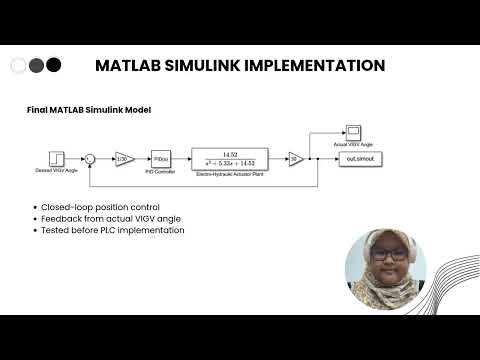
In the rapidly evolving technological landscape, mechatronics engineering integration plays a pivotal role in shaping smart systems, robotics, and automated machinery. By bridging the gap between mechanical design, electronics, and computer software, mechatronic engineers create innovative solutions that drive modern industry forward. Group design projects provide the ultimate testing ground for applying these complex, multidisciplinary concepts to real-world hardware.
The Core Pillars of Mechatronic Design
At its heart, mechatronics is not just a single discipline—it is a synergistic combination of several engineering fields. Creating a successful automated prototype requires balancing four essential pillars:
- Mechanical Systems: The physical framework, gears, structural components, and motion dynamics.
- Electrical Systems: Power distribution, sensor interfaces, and circuitry that supply energy and process signals.
- Control Theory: The algorithms and feedback loops that dictate how the system responds to environmental inputs.
- Computer Science: Embedded programming and software logic that execute precise system commands.
Achieving seamless mechatronics engineering integration means ensuring that each of these subsystems operates in complete harmony. A minor flaw in sensor calibration or embedded code logic can disrupt mechanical performance just as easily as a structural failure.
Turning Theory into Practical Reality
Collaborative hands-on projects showcase how theoretical classroom concepts transform into functional, working devices. When engineering teams tackle complex builds, they experience the real-world challenge of combining physical components with software execution. From selecting the right microcontrollers to programming motor controllers and assembling physical chassis, every step tests system reliability.
Key practical skills developed during integrated mechatronic projects include: - Rapid prototyping and CAD modeling - Circuit design and sensor-actuator interfacing - Real-time embedded software development - Cross-disciplinary problem-solving and teamwork
Building the Future of Automated Systems
As modern industries continue to embrace smart manufacturing and automated technology, multidisciplinary engineering expertise is more critical than ever. Ultimately, mastering modern mechatronics engineering integration prepares aspiring engineers to tackle complex industrial challenges—ranging from autonomous transport to medical robotics. Hands-on group projects serve as the vital stepping stones toward a smarter, more connected future.


