Rethinking Centralization: Does Everything Belong in Your PLM System?
This article provides an in-depth exploration of PLM system, covering foundational concepts, practical applications, and engineering insights.
When organizations embark on digital transformation, the phrase "centralized data" often gets misunderstood. Many teams assume that establishing a single source of truth requires dumping every piece of company information into a single software platform. However, overloading your core tools often leads to digital clutter, confusion, and reduced operational efficiency.
Not every piece of data belongs in your PLM system. To build a streamlined product development workflow, businesses must distinguish between true data governance and data overload.
Centralized Doesn't Mean "All-in-One"
True centralization is not about consolidating every operational detail into one monolithic database. Instead, it means establishing absolute clarity on where specific information is owned, maintained, and accessed across your digital ecosystem.
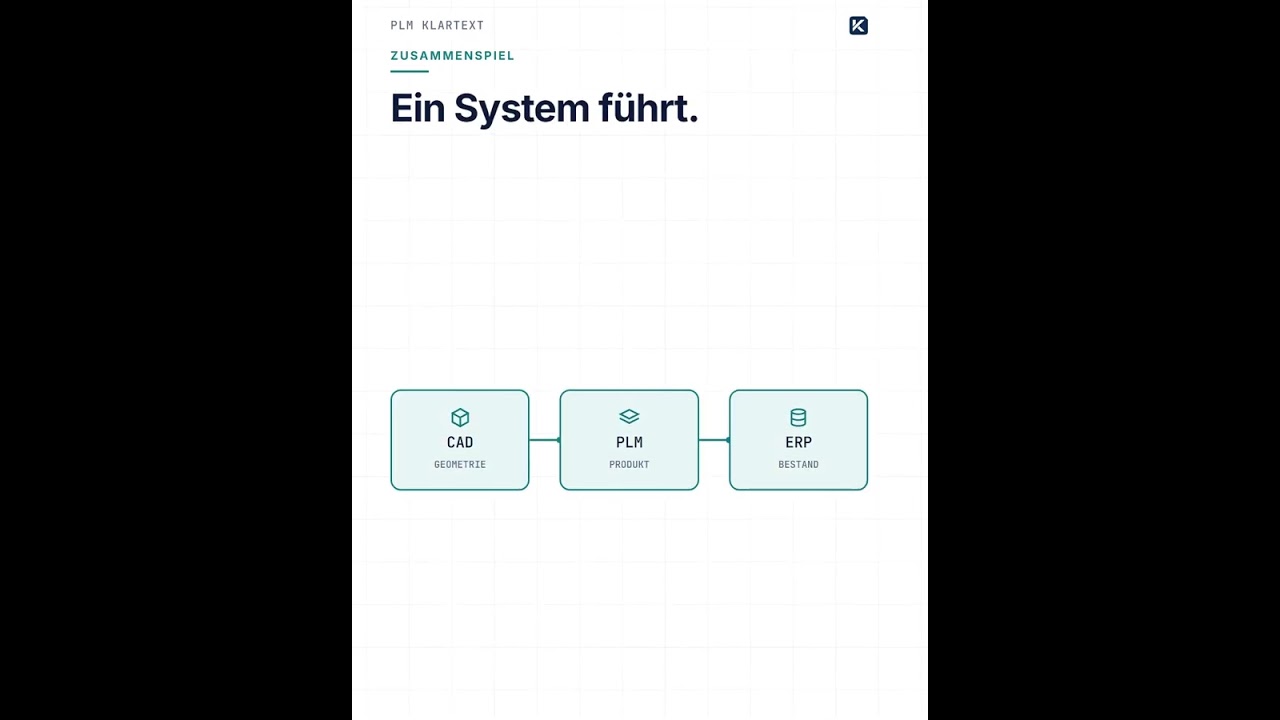
A modern enterprise architecture connects specialized tools—such as ERP, CRM, and MES—where each platform handles the specific domain it was built for. When you force unrelated administrative or transactional data into a PLM system, you slow down system performance and make critical product data harder for engineers and stakeholders to navigate.
Clarify the Purpose of Your Information
Before assigning any piece of data to a platform, you must clarify its core purpose. Ask yourself what business process the data primarily serves:
- Product Definition & Lifecycle Data: CAD models, Bills of Materials (BOM), engineering change requests, and technical specifications naturally belong in product lifecycle management.
- Transactional & Financial Data: Purchase orders, supplier pricing, and real-time inventory levels are best managed within an ERP platform.
- Customer & Market Feedback: User requirements, sales notes, and support tickets should originate in your CRM.
By defining these clear boundaries, your PLM system remains an agile, authoritative hub for product structure and design data without getting bogged down by non-essential administrative details.
Strategy Over Storage
Successful data architecture relies on smart integration rather than dumping everything into one location. Focus on establishing clear data ownership, defining distinct system boundaries, and building seamless integrations between your tools. By keeping your product management ecosystem lean and purposeful, you empower your teams to find the exact information they need—right where it truly belongs.


