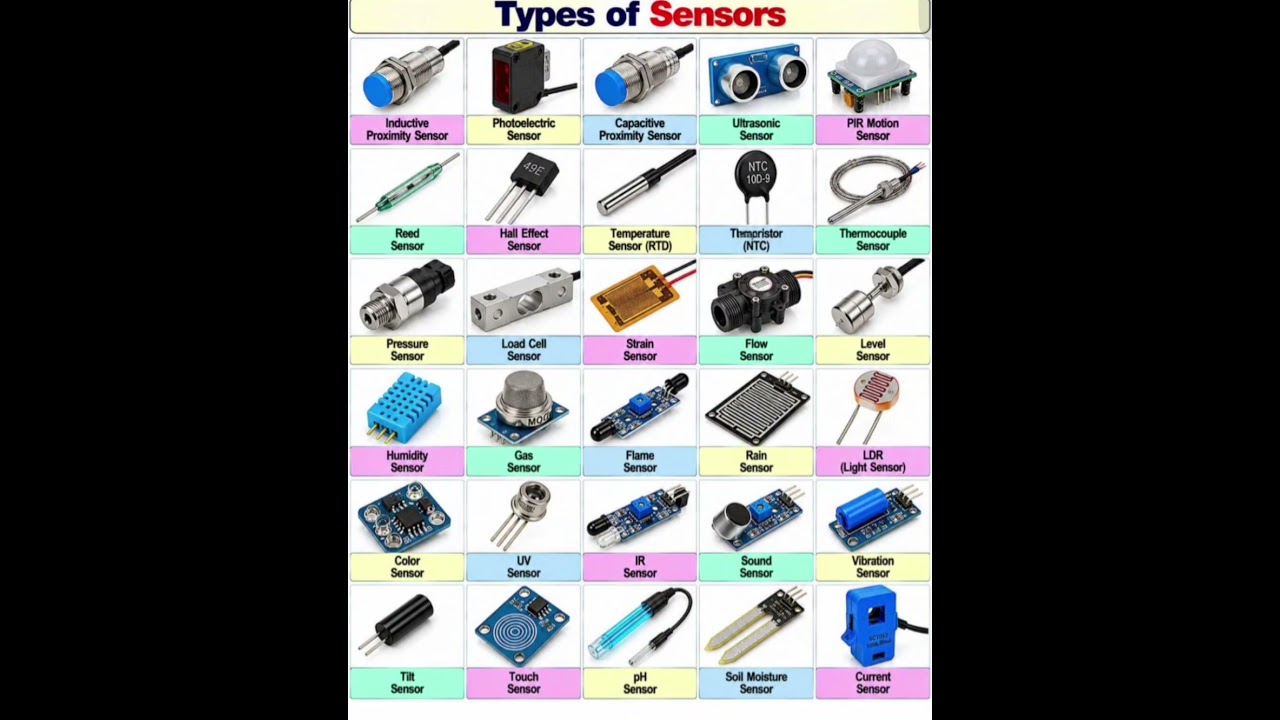
The Ultimate Guide to Electronic Sensors in Modern Tech Engineering
This article provides an in-depth exploration of Tech engineering, covering foundational concepts, practical applications, and engineering insights.
Sensors are the unsung heroes of modern hardware design. From smartphone screens that automatically adjust brightness to industrial robots navigating complex factory floors, sensors bridge the gap between the physical world and digital processing. In the rapidly evolving field of tech engineering, understanding how different sensors work is fundamental to building smarter, more responsive electronic systems.
What Are Electronic Sensors?
At their core, sensors are input devices that detect physical changes in their environment—such as temperature, light, motion, or pressure—and convert those inputs into readable electrical signals. For anyone involved in hardware development or tech engineering, selecting the right sensor dictates the efficiency, accuracy, and overall capability of a project.
Key Types of Sensors and Their Applications
Different applications require specific types of sensing technology. Here is a breakdown of the most common sensors utilized across various industries:
- Temperature Sensors: Components like thermocouples, thermistors, and digital temperature ICs monitor heat levels. They are essential in HVAC control, automotive cooling systems, and smart home thermostats.
- Proximity and Motion Sensors: Utilizing ultrasonic, infrared (IR), or passive infrared (PIR) technology, these devices detect the presence or distance of nearby objects. They power automated security systems, touchless switches, and obstacle avoidance in robotics.
- Optical and Light Sensors: Photodiodes and Light-Dependent Resistors (LDRs) measure ambient light levels, enabling dynamic screen backlighting, automated street lamps, and solar panel tracking.
- Pressure and Force Sensors: Strain gauges and piezoelectric sensors measure mechanical load or atmospheric changes, playing a vital role in medical devices, weather stations, and automotive safety systems.
Driving Innovation in DIY and Industry
Whether you are an experienced hardware developer or a passionate DIY maker, integrating the right sensors allows you to transform static circuits into intelligent, interactive systems. As modern tech engineering continues to advance IoT (Internet of Things) automation and autonomous technology, mastering sensor applications remains an essential skill for building the future of electronics.


