Showing posts with label Electronics. Show all posts

The Ultimate Guide to Electronic Sensors in Modern Tech Engineering

...
engineering information technology
The Ultimate Guide to Electronic Sensors in Modern Tech Engineering

The Ultimate Guide to Electronic Sensors in Modern Tech Engineering

This article provides an in-depth exploration of Tech engineering, covering foundational concepts, practical applications, and engineering insights.

Sensors are the unsung heroes of modern hardware design. From smartphone screens that automatically adjust brightness to industrial robots navigating complex factory floors, sensors bridge the gap between the physical world and digital processing. In the rapidly evolving field of tech engineering, understanding how different sensors work is fundamental to building smarter, more responsive electronic systems.

What Are Electronic Sensors?

At their core, sensors are input devices that detect physical changes in their environment—such as temperature, light, motion, or pressure—and convert those inputs into readable electrical signals. For anyone involved in hardware development or tech engineering, selecting the right sensor dictates the efficiency, accuracy, and overall capability of a project.

Key Types of Sensors and Their Applications

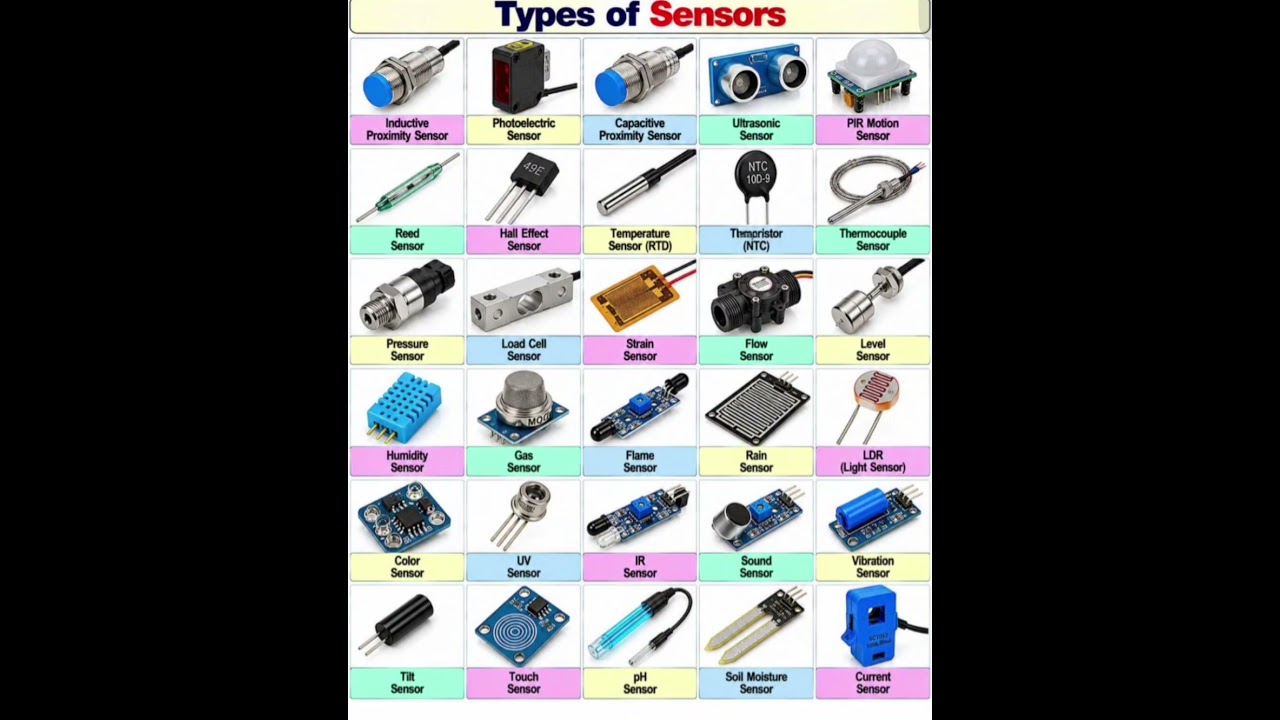
Different applications require specific types of sensing technology. Here is a breakdown of the most common sensors utilized across various industries:

  • Temperature Sensors: Components like thermocouples, thermistors, and digital temperature ICs monitor heat levels. They are essential in HVAC control, automotive cooling systems, and smart home thermostats.
  • Proximity and Motion Sensors: Utilizing ultrasonic, infrared (IR), or passive infrared (PIR) technology, these devices detect the presence or distance of nearby objects. They power automated security systems, touchless switches, and obstacle avoidance in robotics.
  • Optical and Light Sensors: Photodiodes and Light-Dependent Resistors (LDRs) measure ambient light levels, enabling dynamic screen backlighting, automated street lamps, and solar panel tracking.
  • Pressure and Force Sensors: Strain gauges and piezoelectric sensors measure mechanical load or atmospheric changes, playing a vital role in medical devices, weather stations, and automotive safety systems.

Driving Innovation in DIY and Industry

Whether you are an experienced hardware developer or a passionate DIY maker, integrating the right sensors allows you to transform static circuits into intelligent, interactive systems. As modern tech engineering continues to advance IoT (Internet of Things) automation and autonomous technology, mastering sensor applications remains an essential skill for building the future of electronics.


🎬 Related Video Reference

The Future of Stainless Steel in High-Tech Industries

...

As we pivot toward a more technologically advanced era, the materials we rely on must evolve. Stainless steel, once seen as a traditional industrial staple, is reclaiming its position at the forefront of innovation. In high-tech industries, its unique properties are becoming indispensable for the next generation of infrastructure and devices.

Why Stainless Steel is the Material of the Future

The shift toward sustainable engineering and high-performance hardware has highlighted the versatility of stainless steel. Unlike many composites, it is 100% recyclable, fitting perfectly into the circular economy goals of modern tech giants.

1. Aerospace and Space Exploration

In the aerospace sector, the demand for materials that can withstand extreme temperatures and corrosive environments is surging. Modern stainless steel alloys are being utilized in rocket components and satellite housings due to their exceptional strength-to-weight ratio at cryogenic temperatures.

2. Green Energy and Hydrogen Storage

The transition to green energy relies heavily on hydrogen. Stainless steel is critical for the construction of hydrogen fuel cells and storage tanks, offering the necessary resistance to high pressure and hydrogen embrittlement.

3. Electronics and Precision Engineering

From the internal frames of high-end smartphones to the intricate components of medical robotics, precision-engineered stainless steel ensures durability and biocompatibility that plastics and aluminum often cannot match.

[Image of hydrogen fuel cell]

Additive Manufacturing: 3D Printing Stainless Steel

One of the most exciting developments in the high-tech industry is 3D printing with stainless steel powder. This technology allows for complex geometries that were previously impossible to manufacture, reducing waste and accelerating the prototyping phase for tech startups.

Conclusion

The future of stainless steel is not just about strength; it is about smart application and sustainability. As industries like AI hardware, space tech, and renewable energy grow, this resilient metal will continue to be the backbone of global innovation.

Stainless Steel, High-Tech Industry, Future Materials, Aerospace Technology, Green Energy, Sustainable Engineering, 3D Printing, Electronics