
Showing posts with label Engineering Design. Show all posts

Mastering Engineering Design Logic: A Comprehensive Review of Coding and Design

...

As students approach the end of the semester, mastering the core principles of technology and design becomes a top priority. Whether you are delving into the world of computer science or physical prototyping, success hinges on a core understanding of engineering design logic. This systematic approach to problem-solving is the backbone of modern innovation and serves as the primary focus of our latest final exam review series.

The Foundation of Engineering Design Logic

At its heart, engineering design logic is about more than just building gadgets; it is a structured methodology used to identify problems and develop efficient solutions. During our review, we emphasize the importance of the iterative process. This involves defining the problem, researching existing solutions, developing a prototype, and—most importantly—testing and refining your work.

In the world of technology, logic dictates that every design choice must have a purpose. By following a logical framework, engineers can minimize errors and ensure that the final product meets the specific needs of the end-user. Understanding this flow is essential for anyone looking to excel in technology, engineering, and design coursework.

Integrating Coding with Engineering Principles

A major component of our current review involves the intersection of coding and physical design. In modern engineering, software and hardware are inseparable. When we look at coding through the lens of engineering design logic, we see that writing a script is very similar to building a bridge. Both require a solid blueprint, a clear understanding of constraints, and the ability to troubleshoot when things don't go as planned.

During the final exam preparation, students are encouraged to look at their code not just as lines of text, but as a functional part of a larger design system. Whether you are automating a simple task or programming a complex robotic arm, the logical sequence remains the same: Input, Process, and Output.

Tips for Final Exam Success

To ace your upcoming exam, focus on the following key areas: * The Design Loop: Memorize the steps of the engineering design process and be ready to apply them to real-world scenarios. * Logical Troubleshooting: Practice identifying bugs in code or flaws in a physical design by tracing the logic back to the initial requirements. * Vocabulary Mastery: Ensure you are comfortable with terms like "constraints," "criteria," and "prototyping."

By grounding your studies in these fundamental principles, you will be well-equipped to tackle any challenge the final exam throws your way. Good luck, and remember: great engineering starts with great logic!
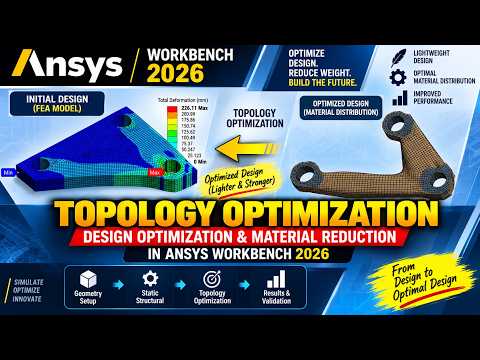
Revolutionizing Design: Mastering ANSYS Workbench 2026 for Industrial Engineering Optimization

...

In the rapidly evolving landscape of modern manufacturing, efficiency is no longer just a goal—it is a requirement. As we look toward the future of manufacturing, industrial engineering optimization has become the cornerstone of sustainable and cost-effective product development. One of the most powerful tools currently leading this charge is ANSYS Workbench 2026, specifically through its advanced Topology Optimization capabilities.

The Power of Topology Optimization in 2026

Topology optimization is a mathematical approach that optimizes material layout within a given design space for a specified set of loads and boundary conditions. The goal is to maximize the performance of the system while minimizing mass. With the release of ANSYS Workbench 2026, this process has become more intuitive and powerful than ever. By utilizing these tools, engineers can transition from traditional "guess-and-check" design methods to a data-driven approach that identifies the most efficient structural shape automatically.

A Streamlined Workflow for Maximum Efficiency

The latest tutorial for ANSYS Workbench 2026 provides a comprehensive, step-by-step guide to mastering this technology. The process begins with defining the design domain and identifying frozen regions that must remain unchanged. From there, users set specific optimization objectives—such as minimizing compliance or maximizing stiffness—while adhering to strict manufacturing constraints.

The software’s solver then iterates through thousands of variations to "carve away" unnecessary material. This results in organic, lightweight structures that are often impossible to design manually but are perfectly suited for additive manufacturing (3D printing) or advanced casting techniques.

Why This Matters for Modern Manufacturing

Implementing these techniques is a vital component of industrial engineering optimization. By reducing the volume of material required for a part, companies can significantly lower raw material costs and decrease the carbon footprint of their logistics chain due to lighter shipping weights. Furthermore, the ability to maintain structural integrity while shedding weight is critical in aerospace, automotive, and heavy machinery industries.

Whether you are a seasoned simulation engineer or a student looking to stay ahead of the curve, mastering ANSYS Workbench 2026 is essential. Embracing these optimization tools ensures that your designs are not only functional but are also at the peak of engineering excellence. By integrating industrial engineering optimization into your daily workflow, you turn complex design challenges into streamlined, high-performance solutions.

Learning CAD Software Online: Essential Resources

...

Learning CAD software online has become easier than ever thanks to the wide variety of high-quality platforms available today. Whether you want to master 3D modeling, improve your CAD design skills, or explore advanced engineering tools, the internet offers countless opportunities for beginners and professionals.

1. Popular CAD Software to Learn Online

Some of the most widely used CAD programs include AutoCAD, SolidWorks, Fusion 360, and SketchUp. Each software has unique strengths, so choosing the right one depends on your specific goals—architectural design, mechanical engineering, product development, or 3D printing workflows.

2. Best Platforms for Online CAD Learning

  • YouTube Tutorials – Great for quick learning and free guidance on CAD basics.
  • Coursera & Udemy – Offer structured CAD courses with certificates.
  • Autodesk Learning – Official resources for AutoCAD and Fusion 360 training.
  • SolidWorks Online Training – Ideal for engineering and manufacturing users.

3. Why Learning CAD Online Is Effective

Online resources allow learners to practice at their own pace and revisit lessons anytime. Many platforms include downloadable models, interactive exercises, and real-world design examples. This makes online CAD education a flexible and efficient option for students, engineers, and hobbyists.

4. Tips for Beginners

  • Start with simple 3D modeling exercises.
  • Practice daily to build strong CAD design habits.
  • Download free CAD project files to study real examples.
  • Join online CAD communities for troubleshooting and feedback.

By choosing the right tools and practicing consistently, anyone can improve their CAD skills and create professional-quality designs. Online CAD learning opens the door to innovation, creativity, and exciting career opportunities in engineering and product design.

How Digital Twins Enhance Engineering Understanding

...

Digital Twins have become one of the most powerful innovations in modern engineering. By creating a virtual replica of a physical product, engineers can analyze performance, simulate real-world conditions, and identify design improvements more efficiently. This article explores how Digital Twins enhance engineering understanding and why industries across the globe are rapidly adopting this technology.

1. Real-Time Data Integration

One of the biggest advantages of a Digital Twin is its ability to integrate real-time data from sensors and connected devices. This real-time synchronization helps engineers understand how a product behaves under actual operating conditions. It also improves predictive analysis and reduces engineering risks during development.

2. Enhanced Simulation and Testing

Digital Twins allow engineers to run detailed simulations without physical prototypes. This significantly lowers development cost and speeds up design validation. Engineering teams can test stress loads, analyze thermal behavior, and review performance variations using high-fidelity simulations built from accurate digital models.

3. Improved Collaboration in Engineering Teams

Digital Twin technology improves communication between design, manufacturing, and maintenance teams. A shared virtual model enables engineers to visualize complex assemblies, track changes, and solve issues collaboratively. This leads to a deeper engineering understanding and reduces design errors.

4. Predictive Maintenance and Reliability

Using a Digital Twin, engineers can predict failures before they happen. Through continuous monitoring and predictive algorithms, maintenance teams gain insights into performance degradation and component health. This makes Digital Twins an essential tool for increasing reliability and extending product lifespan.

5. Better Decision-Making With Data-Driven Insights

Digital Twins generate valuable analytics that help engineers make informed decisions. Data such as performance trends, usage patterns, and energy consumption allow teams to optimize designs and improve product efficiency. These insights enhance engineering understanding by transforming raw data into actionable decisions.

Conclusion

Digital Twins are transforming the engineering world by providing a detailed, real-time look into product performance and design potential. From improving collaboration to supporting predictive maintenance, Digital Twin technology continues to enhance engineering understanding in every industry. As digital transformation accelerates, the role of Digital Twins will only become more important.

How Information Technology Shapes Modern Engineering Practices

...


In today's fast-paced world, Information Technology (IT) plays a pivotal role in shaping modern engineering practices. Engineers increasingly rely on advanced software tools, data analytics, and digital collaboration platforms to enhance productivity and accuracy in design, testing, and implementation.

One significant impact of IT is the use of Computer-Aided Design (CAD) and Computer-Aided Engineering (CAE)

Additionally, cloud computing and IoT (Internet of Things) technologies have revolutionized collaboration among engineering teams. Real-time data sharing and remote monitoring enable engineers to make informed decisions, improve system reliability, and innovate faster than ever before.

Artificial Intelligence (AI) and Machine Learning (ML) are also transforming engineering workflows by automating repetitive tasks, predicting equipment failures, and generating optimized design solutions. This allows engineers to focus on creative problem-solving and strategic planning.

In conclusion, the integration of Information Technology in engineering enhances efficiency, precision, and innovation. Modern engineering practices are increasingly defined by digital tools and smart technologies, shaping the future of design, manufacturing, and infrastructure development.