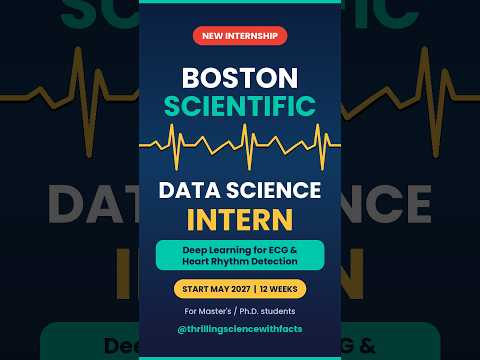
Are you a biomedical engineering or biotechnology student looking to bridge the gap between classroom theory and real-world application? Securing a targeted internship is one of the most effective ways to accelerate your professional growth. Whether your interest lies in designing medical devices, developing biomaterials, or advancing clinical diagnostics, participating in biomedical engineering research through a dedicated internship will give you the practical skills and confidence needed to succeed in a competitive job market.
Why an Internship is Essential for Biomedical Students
Biomedical engineering is a rapidly evolving discipline sitting at the intersection of medicine, technology, and biological sciences. While academic coursework provides a solid theoretical background, an internship exposes you to industry-standard laboratory equipment, regulatory compliance, and project management workflows. Working alongside experienced scientists allows you to apply classroom knowledge to real healthcare challenges, making your academic journey far more meaningful.
Key Areas of Opportunity
Internship roles for biomedical students span a diverse range of sectors: - Medical Device Development: Gain hands-on experience in designing, prototyping, and testing life-saving equipment such as prosthetics, implants, and imaging systems. - Biomaterials and Tissue Engineering: Work with cellular mechanics, drug delivery systems, and regenerative therapies. - Academic and Clinical Labs: Contributing to groundbreaking biomedical engineering research in university labs or research institutions provides an incredible foundation if you plan to pursue graduate studies or clinical roles.
How to Land Your Dream Internship
- Develop Core Technical Skills: Make sure you are familiar with essential laboratory procedures, data analysis platforms (such as MATLAB or Python), and 3D modeling tools (like SolidWorks).
- Network Actively: Reach out to professors, industry representatives at career fairs, and alumni on LinkedIn. Connecting with professionals involved in active biomedical engineering research often leads to unadvertised research assistantships and industrial roles.
- Customize Your Application: Tailor your resume to highlight relevant coursework, lab modules, soft skills, and any team projects that demonstrate your enthusiasm for healthcare innovation.
Final Thoughts
A specialized internship is more than just a line on your resume—it is your launching pad into the future of healthcare technology. Start exploring available programs early, polish your application, and take your first confident step toward shaping modern medicine!


