The Invisible Shield: How Tech Engineering Keeps Data Centers Alive During Power Failures
This article provides an in-depth exploration of Tech engineering, covering foundational concepts, practical applications, and engineering insights.
In our hyper-connected world, we often take for granted the seamless access we have to cloud storage, streaming services, and digital banking. But have you ever wondered what happens when the primary power grid—the lifeblood of our digital infrastructure—suddenly fails? For a modern data center, a power outage isn't just a nuisance; it is a high-stakes emergency that requires the pinnacle of tech engineering to overcome.
The Critical Gap: The Uninterruptible Power Supply (UPS)
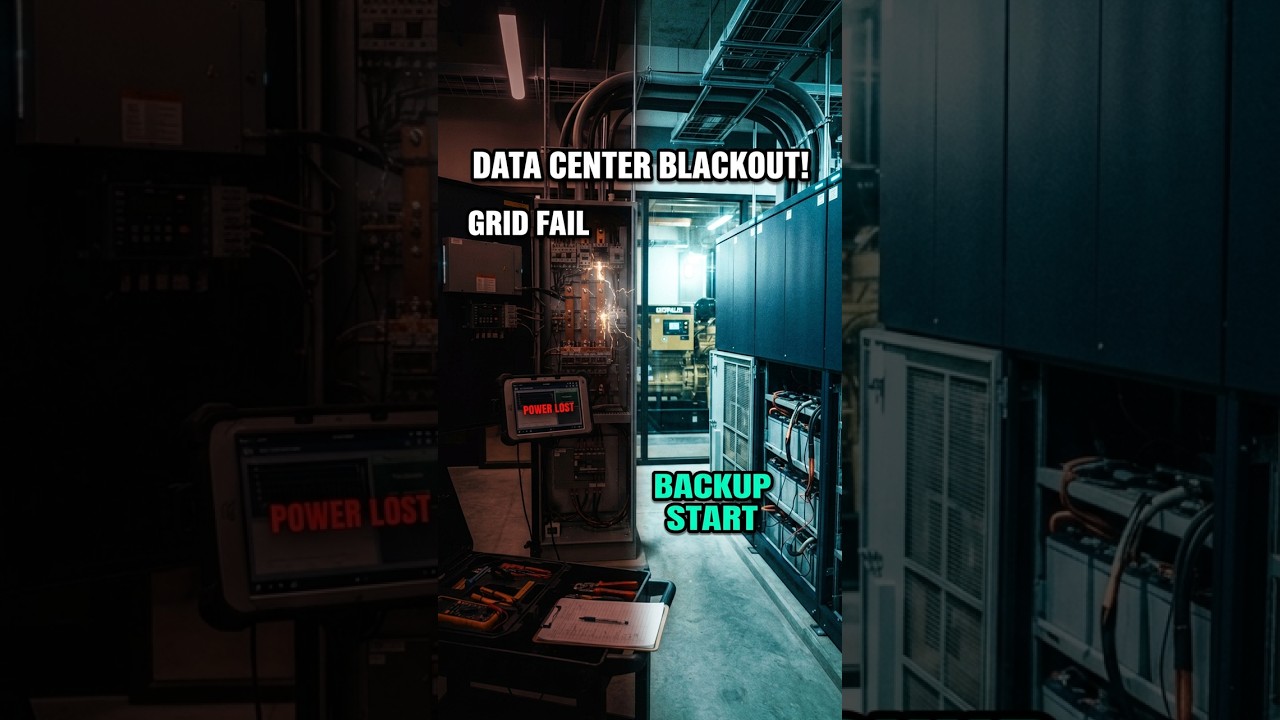
When the grid drops, there isn't a second to spare. Servers are incredibly sensitive; even a millisecond of power loss can lead to massive data corruption or hardware damage. This is where the first line of defense kicks in: the Uninterruptible Power Supply (UPS).
These massive battery banks or high-speed flywheels provide immediate, short-term energy the moment a voltage drop is detected. It is a masterpiece of tech engineering that allows for a seamless "bridge" between the failing grid and the secondary power sources. Without this instantaneous handoff, the internet as we know it would grind to a halt every time a transformer blew.
The Heavy Lifters: Industrial Backup Generators
While batteries handle the initial shock, they aren't designed for long-term use. Within seconds of a blackout, massive industrial generators—often the size of semi-trucks—must roar to life. These engines are capable of powering entire building complexes and can run for days, provided they have a steady supply of fuel. The transition from battery power to generator power must be perfectly synchronized to ensure that the flow of electricity remains steady and "clean," avoiding any surges that could fry delicate server components.
Redundancy: The Core of Reliability
Why do these systems almost never fail? The secret lies in the philosophy of redundancy. Sophisticated facilities are designed with "N+1" or "2N" configurations, meaning there is always at least one backup for every primary component. This culture of "expecting the worst" defines the field of tech engineering, ensuring that whether it’s a local equipment failure or a massive regional blackout, your data remains accessible and safe.
Conclusion
The next time you access a cloud-based file during a storm, remember the complex machinery working silently behind the scenes. From rapid-fire batteries to thundering diesel generators, it is the invisible shield of advanced engineering that keeps our digital world spinning when the lights go out.


