Showing posts with label Smart Manufacturing. Show all posts

Unlocking the Future: How Industry 4.0 is Revolutionizing Smart Manufacturing

...
engineering information technology
Unlocking the Future: How Industry 4.0 is Revolutionizing Smart Manufacturing

Unlocking the Future: How Industry 4.0 is Revolutionizing Smart Manufacturing

This article provides an in-depth exploration of Industry 4.0, covering foundational concepts, practical applications, and engineering insights.

The manufacturing world is currently undergoing a radical transformation. We have moved far beyond the days of steam engines and basic assembly lines. Today, we are in the midst of the Fourth Industrial Revolution, more commonly known as Industry 4.0. This era is defined by the marriage of physical production and smart digital technology, creating an ecosystem that is more efficient, transparent, and productive than ever before.

The Shift from Traditional to Smart Manufacturing

For decades, traditional manufacturing relied on isolated machinery and manual oversight. While effective for its time, this model often suffered from data silos and reactive maintenance. Industry 4.0 changes the narrative by introducing interconnected systems. Through the Internet of Things (IoT), machines on the factory floor can now "talk" to one another, sharing real-time data that allows for instant adjustments and smarter decision-making. This connectivity turns a standard factory into a "Smart Factory."

The Power of CNC Automation

One of the most significant drivers of this industrial shift is the advancement of CNC (Computer Numerical Control) automation. In a smart manufacturing environment, CNC machines are no longer standalone tools; they are integrated components of a digital workflow.

By leveraging automation, manufacturers can achieve surgical precision at high speeds. These automated systems can run 24/7 with minimal human intervention, reducing the margin for error and significantly increasing output. When combined with AI-driven analytics, these machines can even predict when they require maintenance, preventing costly downtime before it occurs.

Why Industry 4.0 Matters Today

Adopting Industry 4.0 is no longer a luxury for large corporations—it is becoming a necessity for any business that wants to remain competitive in a global market. The benefits are clear:
* Increased Efficiency: Streamlined workflows and automated processes lead to faster turnaround times.
* Data-Driven Insights: Manufacturers can track every second of production, identifying bottlenecks in real-time.
* Resource Optimization: Smart systems reduce waste by optimizing material usage and energy consumption.

As we look toward the future, the integration of artificial intelligence, cloud computing, and advanced robotics will continue to evolve. The journey toward a fully automated, intelligent manufacturing landscape is well underway, and those who embrace these technological shifts today will be the leaders of tomorrow’s industrial world.


🎬 Related Video Reference

Mastering Industrial Process Control: How Industrial IT Drives Modern Automation

...
engineering information technology
Mastering Industrial Process Control: How Industrial IT Drives Modern Automation

Mastering Industrial Process Control: How Industrial IT Drives Modern Automation

This article provides an in-depth exploration of Industrial IT, covering foundational concepts, practical applications, and engineering insights.

In today's fast-paced manufacturing landscape, precision and consistency are paramount. Industrial process control forms the backbone of modern production facilities, ensuring that complex operations run smoothly, safely, and efficiently. As manufacturing technology continues to evolve, the integration of Industrial IT has revolutionized how engineering teams monitor, analyze, and manage physical processes in real time.

Understanding Industrial Process Control

At its core, industrial process control refers to the automated management of operational variables such as temperature, pressure, fluid flow rate, and chemical composition. By continuously gathering physical data through strategically placed sensors, control systems compare actual performance against predefined target values (setpoints).

Controllers—such as Programmable Logic Controllers (PLCs) and Distributed Control Systems (DCS)—then process this data and send immediate commands to actuators, such as control valves and variable-speed drives, to maintain optimal operating conditions without requiring manual intervention.

The Role of Industrial IT in Modern Automation

The true power of modern process control lies in combining traditional operational technology (OT) with sophisticated Industrial IT architecture. By bridging the gap between shop-floor machinery and high-level enterprise software, organizations can achieve unprecedented visibility across their entire production lifecycle.

Modern control systems leverage centralized cloud databases, edge computing, and predictive analytics to turn raw sensor data into actionable business intelligence. These digital capabilities allow operators to detect equipment anomalies early, reduce unexpected downtime, and optimize resource allocation across global facilities.

Key Benefits of Advanced Process Control

Mastering fundamental control principles offers several competitive advantages for industrial facilities:

  • Enhanced Product Consistency: Continuous feedback loops minimize batch-to-batch variability, ensuring goods consistently meet rigorous quality standards.
  • Increased Operational Efficiency: Automated tuning reduces raw material waste and significantly optimizes energy consumption.
  • Improved Plant Safety: Automated safety interlocks and real-time alarm systems prevent hazardous operating conditions before they cause equipment failure or injury.

Conclusion

Understanding the fundamentals of process control is essential for engineers, technicians, and plant leaders who want to maximize production performance. By pairing core control strategies with a robust Industrial IT framework, modern facilities can build a smarter, safer, and highly scalable manufacturing future.


🎬 Related Video Reference

Unlocking the Future of Manufacturing: Monish Gandhi on AI and Industry 4.0

...
engineering information technology
Unlocking the Future of Manufacturing: Monish Gandhi on AI and Industry 4.0

Unlocking the Future of Manufacturing: Monish Gandhi on AI and Industry 4.0

This article provides an in-depth exploration of Industry 4.0, covering foundational concepts, practical applications, and engineering insights.

The industrial landscape is undergoing a massive transformation, driven by digital technology, real-time data analytics, and advanced automation. In a featured episode of The Industry 4.0 Podcast with Grantek, host Grantek sat down with Monish Gandhi, Founder and CEO of Gradient Ascent AI, to discuss how artificial intelligence is reshaping shop floors and executive decision-making alike.

With over 15 years of operational experience, Monish brings a practical, grounded perspective on bridging the gap between complex AI systems and everyday manufacturing operations.

The Intersection of AI and Operational Excellence

For many manufacturers, integrating artificial intelligence into existing workflows can feel like a daunting task. However, as Monish highlights, the goal of modern technology is not to replace human expertise, but to augment it. By combining operational data with machine learning algorithms, industrial organizations can unlock actionable insights that dramatically improve yield, reduce unplanned downtime, and optimize resource usage.

This shift represents a crucial milestone in the Industry 4.0 movement, where connected machinery and intelligent software work together to build resilient, self-optimizing factories.

Overcoming Challenges in Digital Transformation

Transitioning to a modern, tech-driven enterprise requires more than just deploying new tools—it demands strategic foresight and a cultural shift. During the interview, Monish outlines critical strategies for success, including:

  • Data Quality and Readiness: Ensuring legacy systems effectively capture and structure shop-floor data.
  • Scalable Implementation: Starting with targeted, high-impact pilot projects before rolling solutions out globally.
  • Workforce Empowerment: Equipping operators and engineers with intuitive tools that enhance daily decision-making.

By tackling these foundational elements, manufacturing leaders can successfully execute their Industry 4.0 initiatives and secure a sustainable competitive advantage in an ever-changing market.

Watch the Full Discussion

Whether you are an operational executive, plant engineer, or technology strategist, this episode offers invaluable insights into the practical application of AI in industrial environments.

To explore Monish Gandhi's full expert analysis and discover actionable strategies for your facility, watch the full episode on YouTube.


🎬 Related Video Reference

How to Build a Smart Factory: 7 Essential Steps for SMEs

...

The era of manual data entry and paper-shuffling on the shop floor is coming to an end. For small and medium-sized enterprises (SMEs), transitioning to a smart factory is no longer a luxury reserved for industry giants—it is a necessity for staying competitive in a fast-paced global market. But how do you start without being overwhelmed by the complexity?

Here is a 7-step roadmap to help your SME transition to a digital, paperless manufacturing environment.

1. Assess Your Current Processes

Before you buy any software, you need to understand your current workflow. Identify where paper bottlenecks occur. Is it in production planning, quality assurance, or maintenance logs? Knowing your "Status Quo" is the foundation of any digital upgrade.

2. Define Clear Objectives

What do you want to achieve first? Whether it’s reducing lead times, minimizing error rates, or achieving 100% traceability, having specific goals ensures that your digital transformation remains focused and measurable.

3. Get Your Team on Board

A smart factory is only as good as the people operating it. Digitalization often causes anxiety among staff. Involve your employees early in the process, explain the benefits (like less paperwork and easier tasks), and provide the necessary training to build confidence.

4. Start Small with a Pilot Project

Don’t try to digitize the entire plant overnight. Pick one specific production line or a single department to serve as a pilot. This allows you to test digital tools, gather feedback, and fix bugs before scaling up to the rest of the facility.

5. Prioritize Data Connectivity

The heart of digital manufacturing is data. Ensure your machines can communicate with your software systems (such as an ERP or MES). Moving toward a paperless environment requires a "single source of truth" where data is updated in real-time.

6. Implement User-Friendly Interfaces

On the shop floor, speed is everything. Use intuitive interfaces—such as tablets or touchscreens—that allow workers to log data with a few taps. If the digital solution is harder to use than the old paper form, your team won't adopt it.

7. Iterate and Optimize

Digitalization is an ongoing journey. Once your systems are live, use the data you’ve collected to find new efficiencies. The goal of a smart factory is continuous improvement through data-driven insights.

Conclusion

Transitioning to a digital production model might seem daunting, but by following these seven steps, SMEs can eliminate the "paper chaos" and build a future-proof operation. Start small, focus on your people, and let data lead the way to higher productivity.

Modernizing the Mill: Why Upgrading 10-Year-Old Equipment is Crucial for Industrial IT Success

...

In the heavy-duty environment of a rice mill, machinery is pushed to its absolute limit. Dust, heat, and 24/7 operations create a grueling atmosphere where even the most robust equipment eventually meets its end. Recently, a 10-year-old industrial AC unit, a veteran of a decade of cooling service, was finally disabled. While ten years of service is a testament to the unit’s build quality, its decommissioning marks a vital transition toward more efficient, modern operations.

The Challenge of Aging Infrastructure

An industrial AC unit in a rice mill does more than just provide comfort; it protects sensitive electronics and ensures that the processing environment remains within specific temperature parameters. However, as these units age, they become less efficient and more prone to sudden failure. In today's fast-paced manufacturing landscape, the integration of Industrial IT has become the backbone of efficient operations, and legacy hardware often struggles to keep up with modern digital demands.

Why Modernization Outperforms Constant Repair

While it may be tempting to continue repairing a decade-old unit, there comes a point of diminishing returns. Older cooling systems lack the smart sensors and connectivity required for real-time monitoring. By leveraging Industrial IT solutions, mill managers can transition from reactive repairs to predictive maintenance. This allows for the tracking of energy consumption, airflow efficiency, and mechanical wear through a centralized digital interface, preventing the kind of unexpected downtime that can halt an entire production line.

Moving Toward a Smarter Future

Disabling an old unit is not just about replacing a machine; it is about upgrading the facility's overall intelligence. Modern replacements are designed to integrate seamlessly into a broader Industrial IT ecosystem. This connectivity ensures that every piece of hardware—from the largest milling machine to the smallest cooling fan—communicates effectively to optimize output and reduce waste.

As we move toward Industry 4.0, the "out with the old, in with the new" philosophy is less about discarding history and more about embracing a smarter, more sustainable future for industrial processing. Replacing that 10-year-old AC is the first step toward a more resilient and data-driven mill.

Mastering Industry 4.0: Essential Insights into Industrial IoT and Smart Automation

...

The modern industrial landscape is undergoing a massive transformation driven by digital technology and smart automation. At the forefront of this revolution is Industry 4.0, a concept that integrates advanced digital tools into traditional manufacturing and industrial practices. Whether you are an engineering student, a tech enthusiast, or an industry professional, understanding these emerging technologies is crucial for staying ahead in today's fast-paced technological ecosystem.

The Core Pillars Driving the Fourth Industrial Revolution

At its core, Industry 4.0 represents the convergence of physical machinery with intelligent digital networks. Unlike previous industrial shifts that relied primarily on steam power, mass electricity, or basic automation, today's transformation leverages real-time data to create hyper-connected systems.

Key components driving this shift include:

  • Industrial Internet of Things (IIoT): Connecting physical machinery, sensors, and equipment to transmit and analyze operational data.
  • Big Data and Analytics: Processing massive volumes of operational data to optimize performance and prevent equipment failure.
  • Cyber-Physical Systems: Blending physical execution with computational feedback loops for autonomous operational control.
  • Cloud Computing: Offering flexible, scalable infrastructure to manage interconnected smart factory operations.

Why Industrial IoT and Smart Factories Matter Today

The integration of Industrial IoT allows organizations to monitor supply chains, minimize costly operational downtime through predictive maintenance, and significantly increase production efficiency. For students and practitioners working through specialized coursework and technical assignments, gaining a firm grasp of these foundational concepts bridges the gap between abstract engineering theory and practical industrial application.

Accelerating Your Learning Journey

Mastering complex topics like sensor networks, cloud architecture, and automated systems requires consistent effort and collaborative learning. Participating in dedicated study networks, engaging with practical assignments, and discussing technical problem sets with peers helps reinforce key concepts. By continuously building your technical skill set, you position yourself to thrive in the growing domain of Industry 4.0 and contribute to the future of smart manufacturing.

Building the Future: How China’s BRICS AI Pledge Will Revolutionize the Smart Factory

...

In a landmark move to accelerate global industrial transformation, Chinese President Xi Jinping recently pledged comprehensive support to BRICS nations in the fields of artificial intelligence (AI) and advanced technology. This strategic initiative aims to bridge the digital divide among emerging economies by integrating cutting-edge solutions into traditional manufacturing sectors. As part of this broad vision, China intends to share expertise, foster technological innovation, and help partner nations establish the foundation for a modern smart factory ecosystem.

Unlocking the Potential of AI in Industrial Production

The integration of artificial intelligence into industrial processes marks a critical shift toward higher efficiency, reduced operational costs, and enhanced output quality. By extending technical assistance, hardware, and infrastructure development, China's commitment empowers BRICS member states to upgrade their existing industrial bases.

Through machine learning algorithms, Internet of Things (IoT) sensors, and real-time data analytics, developing economies can rapidly transition from conventional labor-intensive assembly lines to data-driven operations. This technological leap is essential for any modern enterprise aiming to operate a competitive smart factory that can adapt seamlessly to global market demands.

Driving Sustainable Growth Across Emerging Markets

Beyond immediate technical upgrades, this collaborative effort aims to foster long-term, sustainable economic growth across the BRICS alliance. Access to advanced AI tools and smart manufacturing capabilities enables developing nations to optimize energy consumption, streamline supply chains, reduce industrial waste, and minimize overall environmental impact.

Furthermore, transferring knowledge and training local workforces to design, manage, and maintain a next-generation smart factory environment ensures that economic benefits remain localized and long-lasting. This shared expertise helps smaller or developing member nations build self-sustaining technological capabilities rather than relying permanently on foreign solutions.

A Shared Vision for Next-Generation Manufacturing

As global supply chains continue to evolve in response to technological advancements, international cooperation in deep-tech industries becomes increasingly vital. President Xi Jinping’s pledge represents a major step forward in standardizing digital manufacturing practices across emerging economies. By championing AI integration, cloud computing, and smart automation, China and its BRICS partners are actively laying the groundwork for an interconnected global manufacturing landscape—one driven by intelligence, efficiency, and shared economic prosperity.

The Evolution of Manufacturing: From Industry 4.0 to Industry 5.0

...

The global industrial landscape is undergoing a massive transformation. Over the past decade, Industry 4.0 has revolutionized how businesses operate, introducing unprecedented levels of automation, connectivity, and data-driven decision-making. As we continue to build upon these technological advancements, the conversation is already expanding toward the next frontier: Industry 5.0.

What Is Industry 4.0 and Why Does It Matter?

At its core, Industry 4.0 refers to the fourth industrial revolution—a phase characterized by smart manufacturing, cyber-physical systems, the Internet of Things (IoT), and cloud computing. By connecting machines to intelligent networks, organizations can optimize supply chains, predict maintenance needs, and reduce downtime significantly.

Key drivers of this era include: - Artificial Intelligence & Machine Learning: Enabling autonomous decision-making on the factory floor. - Big Data Analytics: Turning massive amounts of raw operational data into actionable business insights. - System Integration: Creating seamless communication between physical production assets and digital enterprise systems.

Transitioning Beyond: The Rise of Industry 5.0

While Industry 4.0 focuses heavily on hyper-automation and efficiency through technological systems, Industry 5.0 brings a crucial element back into the equation: human collaboration. Rather than replacing human workers, Industry 5.0 emphasizes placing human creativity and well-being at the center of production processes alongside advanced robotics and AI.

This next phase prioritizes three core pillars: 1. Human-Centricity: Designing technology to empower human operators rather than supersede them. 2. Sustainability: Developing resource-efficient processes to minimize environmental footprint. 3. Resilience: Building agile infrastructure capable of adapting to global supply chain disruptions.

Preparing for the Future of Smart Manufacturing

As highlighted in educational insights by experts like Dr. Ali Asghar, understanding the transition between these industrial eras is vital for modern engineers, business leaders, and policymakers. Navigating this evolution requires balancing digital efficiency with human-centered innovation. Organizations that successfully bridge the gap between automated systems and human talent will be best positioned to lead the future of industry.

Unlocking the Future of Smart Manufacturing: A Complete Guide to Industry 4.0 and IIoT

...
engineering information technology
Unlocking the Future of Smart Manufacturing: A Complete Guide to Industry 4.0 and IIoT

Unlocking the Future of Smart Manufacturing: A Complete Guide to Industry 4.0 and IIoT

This article provides an in-depth exploration of Industry 4.0, covering foundational concepts, practical applications, and engineering insights.

The global industrial landscape is undergoing a massive transformation powered by Industry 4.0. By integrating advanced digital technologies with traditional manufacturing processes, modern enterprises are moving toward hyper-connected, automated, and intelligent ecosystems. Understanding these fundamental concepts is essential for students, engineers, and industry professionals who want to stay ahead in today’s tech-driven market.

What Drives the Next Industrial Evolution?

At the core of this technological shift is the Industrial Internet of Things (IIoT). IIoT connects physical assets—such as machinery, sensors, and hardware—to cloud computing platform networks. This seamless connectivity allows for real-time data collection, predictive maintenance, and autonomous decision-making on the factory floor.

Key components driving this digital evolution include:
- Cyber-Physical Systems (CPS): Blending computing power with physical operational processes.
- Big Data Analytics: Extracting actionable insights from vast amounts of operational data.
- Cloud Computing: Providing scalable storage and computational resources for complex industrial algorithms.

Accelerating Learning through Structured Coursework

Mastering these complex topics requires a structured learning path. Courses such as the NPTEL Swayam program on Industrial IoT provide learners with a deep understanding of sensor networks, communication protocols, and system architecture. Engaging thoroughly with weekly assignments and practical problem-solving exercises helps bridge the gap between theoretical knowledge and real-world industrial application. Whether you are working through advanced assignments or studying foundational concepts, mastering Industry 4.0 principles is essential for building a future-proof career.

Why Mastering IIoT Matters Today

As organizations continue to embrace digital transformation, demand for skilled professionals who can design, implement, and maintain smart systems is at an all-time high. Gaining expertise in connected industrial systems enables you to drive operational efficiency, reduce downtime, and foster innovation within any technical domain.

By staying consistent with your learning journey and mastering the core concepts of Industry 4.0, you position yourself as a valuable asset in the rapidly evolving world of smart technology.


🎬 Related Video Reference

Navigating the Smart Manufacturing Revolution: Insights on Industry 4.0 with Strah Sopcic

...
engineering information technology
Navigating the Smart Manufacturing Revolution: Insights on Industry 4.0 with Strah Sopcic

Navigating the Smart Manufacturing Revolution: Insights on Industry 4.0 with Strah Sopcic

This article provides an in-depth exploration of Industry 4.0, covering foundational concepts, practical applications, and engineering insights.

The manufacturing landscape is undergoing a massive shift, driven by rapid digital transformation and advanced automation. In a compelling episode of The Industry 4.0 Podcast with Grantek, experts dive deep into how modern industrial facilities can successfully navigate this evolution. Featured guest Strah Sopcic, a Solutions Architect and Consultant at 4IR Solutions, shares practical strategies for helping manufacturers modernize their operational technology.

Demystifying Digital Transformation in Manufacturing

For many industrial leaders, transitioning from legacy equipment to connected, smart factories can feel overwhelming. Strah Sopcic and the team at 4IR Solutions specialize in helping companies bridge this critical technology gap. By implementing simplified hybrid-cloud infrastructures and edge-computing platforms, they enable facilities to adopt Industry 4.0 capabilities without disrupting existing plant operations.

During the discussion, Sopcic emphasizes that successful transformation is not merely about adopting new software—it is about building an integrated operational ecosystem. This connected environment provides real-time data visibility, enables predictive maintenance, and significantly boosts overall equipment effectiveness across the enterprise.

Overcoming Implementation Barriers

One of the biggest hurdles industrial organizations face is moving beyond initial pilot projects into full-scale deployment. Sopcic highlights common operational technology (OT) and information technology (IT) integration challenges, offering actionable advice on how to align these distinct departments.

Successfully implementing Industry 4.0 initiatives requires a clear roadmap, scalable architecture, and robust cybersecurity measures. By utilizing infrastructure designed specifically for industrial environments, manufacturers can safely extract high-value insights from raw operational data while maintaining continuous uptime.

Key Takeaways for Industrial Leaders

Whether your organization is just beginning its digital journey or seeking to optimize existing smart manufacturing systems, embracing Industry 4.0 requires both strategic vision and technical precision. Essential lessons from Strah Sopcic’s interview include:

  • Focus on Scalability: Build on a flexible architecture that expands seamlessly as operational needs grow.
  • Align IT and OT Teams: Foster cross-functional collaboration to streamline data flow and platform adoption.
  • Drive Business Value with Data: Ensure plant-floor data is captured, analyzed, and delivered to decision-makers in real time.

Conclusion

The shift toward fully automated, data-driven production is essential for maintaining a competitive edge in today's global market. To gain deeper technical insights and hear the complete conversation with Strah Sopcic, be sure to check out the full episode on The Industry 4.0 Podcast with Grantek.

Visual Insights & Illustrations

Industry 4.0
Industry 4.0
Industry 4.0

Overcoming Sensory Overload in Industry 4.0: Key Insights from 4IR Solutions

...
engineering information technology
Overcoming Sensory Overload in Industry 4.0: Key Insights from 4IR Solutions

Overcoming Sensory Overload in Industry 4.0: Key Insights from 4IR Solutions

This article provides an in-depth exploration of Industry 4.0, covering foundational concepts, practical applications, and engineering insights.

In the rapidly evolving landscape of smart manufacturing, modern industrial facilities are collecting more real-time data than ever before. However, with this constant stream of metrics from connected machines, IoT sensors, and enterprise systems comes a major modern challenge: sensory overload.

In a featured episode of The Industry 4.0 Podcast with Grantek, host Grantek sits down with Strah Sopcic, a Solutions Architect at 4IR Solutions, to explore how manufacturers can manage this influx of digital noise and build scalable, resilient systems.

The Challenge of Digital Sensory Overload

With sensors embedded across every layer of the shop floor, control room operators and system architects often find themselves buried under endless alerts, complex dashboards, and fragmented data streams. While collecting raw data is necessary, many manufacturers struggle to extract clear, actionable intelligence from the clutter.

As Sopcic points out, without a streamlined architectural strategy, the very tools designed to boost productivity can lead to operational friction and severe decision fatigue.

Streamlining Architecture for Industrial Efficiency

To successfully overcome sensory overload, companies must reimagine their digital infrastructure from the ground up. Adopting cloud-native hybrid architectures allows industrial enterprises to filter and process critical operational data at the edge while routing high-level analytics to the cloud.

By simplifying data pipelines and standardizing integration protocols, Industry 4.0 initiatives become drastically easier to scale and manage. This targeted approach ensures that plant operators receive only the context-rich data that truly matters for immediate decision-making.

Transforming Raw Data into Actionable Intelligence

Ultimately, successful digital transformation isn't about capturing every single byte of data—it is about empowering workforce performance. By leveraging modern containerized platforms and hybrid-cloud infrastructure built specifically for Industry 4.0, manufacturers can eliminate unnecessary complexity, reduce cognitive load on operators, and unlock sustainable operational excellence.

Visual Insights & Illustrations

Industry 4.0
Industry 4.0
Industry 4.0

Precision Machining Upgraded: How Engineering IT is Revolutionizing Lathe Operations

...
engineering information technology
Precision Machining Upgraded: How Engineering IT is Revolutionizing Lathe Operations

Precision Machining Upgraded: How Engineering IT is Revolutionizing Lathe Operations

This article provides an in-depth exploration of Engineering IT, covering foundational concepts, practical applications, and engineering insights.

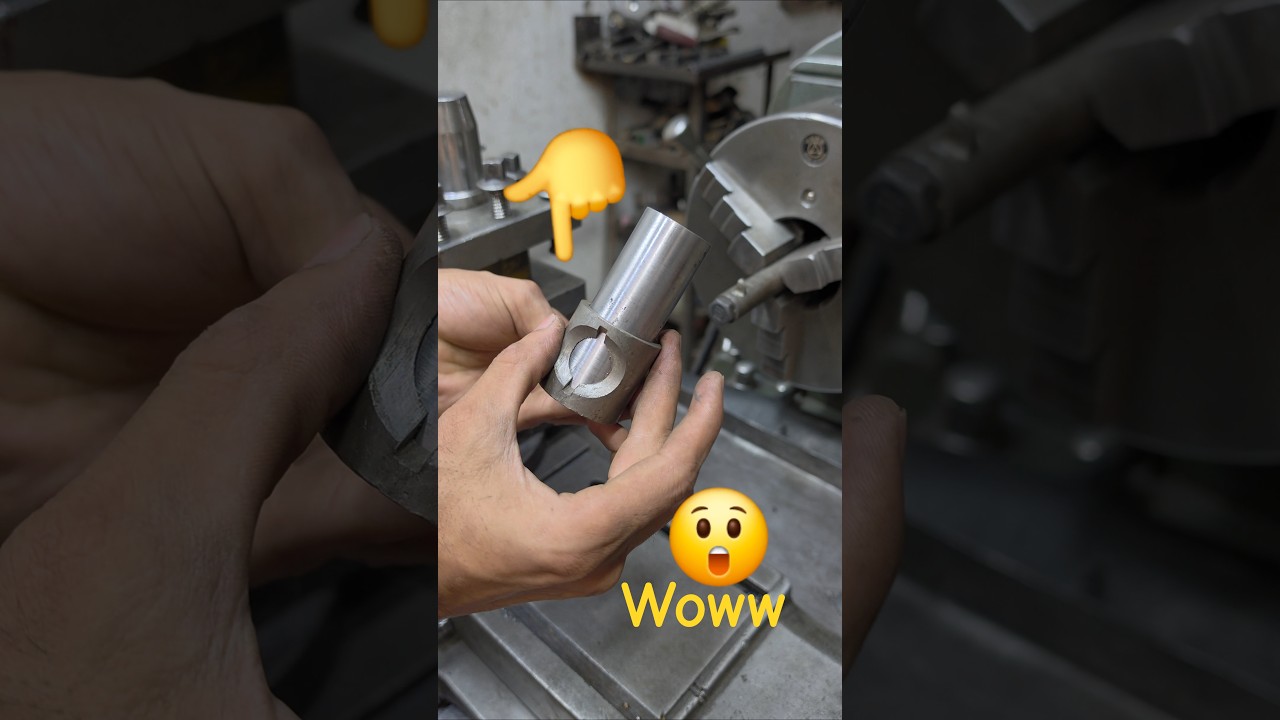
Machining metal components requires incredible precision, patience, and technical skill. Creating a cutter slot on a traditional lathe machine is a fundamental task in mechanical engineering, demanding precise tool alignment and strict control over manual operations. However, as modern manufacturing rapidly evolves, the integration of Engineering IT is transforming these traditional workshop techniques into highly optimized, digitalized processes.

The Mechanics of Cutting a Slot on a Lathe

Forming a cutter slot on a lathe involves securing the metal workpiece, selecting the appropriate cutting tool, and carefully regulating spindle speed and feed rates. Whether you are machining mild steel or hardened alloys, cutting an accurate slot ensures that the final component functions properly within a larger mechanical assembly. In a conventional setup, even slight miscalculations in tool pressure can cause severe chatter, rough surface finishes, or broken cutting bits.

Enhancing Precision Through Digital Solutions

While traditional lathe operations rely heavily on manual operator experience, modern machine shops are increasingly leveraging advanced Engineering IT solutions to boost accuracy and repeatability. By incorporating Computer-Aided Design (CAD) and Computer-Aided Manufacturing (CAM) software, technicians can digitally design and simulate cutter slot passes long before touching the physical machine.

Additionally, smart sensors installed on modern CNC and automated lathe systems collect real-time operational data. This information flows directly through integrated IT networks, enabling predictive maintenance that monitors spindle vibration, heat generation, and tool wear. Consequently, machinists can adjust cutting parameters on the fly to guarantee flawless execution every single time.

The Future of Machining and Technology

The convergence of heavy machinery and digital technology is defining the next era of industrial production. Embracing Engineering IT empowers manufacturers to bridge the gap between traditional mechanical craftsmanship and data-driven insights. By combining software intelligence with classic metalworking machinery, engineering facilities can dramatically reduce waste, shorten production times, and achieve unprecedented levels of operational efficiency.

Visual Insights & Illustrations

Engineering IT
Engineering IT
Engineering IT

Method for Reliability Modeling in Smart Manufacturing

...

In the era of Industry 4.0, maintaining high operational efficiency is paramount. Developing a robust Method for Reliability Modeling in Smart Manufacturing is essential for predicting equipment failures and optimizing maintenance schedules. This article explores the core frameworks used to ensure system dependability in automated environments.

The Importance of Reliability Modeling

Smart manufacturing systems are complex, integrating IoT sensors, AI, and cyber-physical systems. Reliability modeling allows engineers to quantify the probability that a system will perform its intended function under specified conditions. By utilizing advanced reliability modeling techniques, factories can transition from reactive to proactive maintenance.

Key Components of the Modeling Process

  • Data Acquisition: Gathering real-time data from industrial IoT (IIoT) devices.
  • Stochastic Processes: Utilizing Markov chains or Petri nets to model system states.
  • Machine Learning Integration: Enhancing traditional models with predictive analytics to handle non-linear failure patterns.

Implementing the Method

To implement an effective reliability model, one must first define the system architecture and identify critical failure modes. Through predictive maintenance and statistical analysis, manufacturers can significantly reduce downtime and operational costs.

"Reliability is not just about avoiding failure; it's about ensuring consistent performance in an interconnected smart ecosystem."

Conclusion

Adopting a structured method for reliability modeling is a cornerstone of modern industrial strategy. It bridges the gap between raw data and actionable insights, ensuring that smart factories remain resilient and competitive.

Advanced Method for Failure Pattern Recognition in Industrial Data

...

In the era of Industry 4.0, Failure Pattern Recognition in Industrial Data has become a cornerstone for operational excellence. By identifying specific anomalies before they escalate, businesses can transition from reactive repairs to proactive strategies.

The Core Methodology

Recognizing patterns in complex datasets involves a systematic approach. The process ensures that the industrial data collected from sensors is transformed into actionable insights.

  1. Data Acquisition: Gathering high-frequency signals from PLC and IoT sensors.
  2. Feature Engineering: Extracting time-domain and frequency-domain features that indicate mechanical wear.
  3. Pattern Clustering: Utilizing Unsupervised Learning (like K-Means or DBSCAN) to group historical failure modes.
  4. Model Training: Implementing Supervised Learning models such as Random Forest or LSTM to predict future occurrences.

Why Predictive Maintenance Matters?

Integrating a robust Failure Pattern Recognition system reduces downtime and extends the lifespan of critical machinery. By analyzing industrial data patterns, engineering teams can detect "signatures" of failure, such as bearing overheating or motor misalignment, weeks in advance.

"Efficiency is not just about speed; it's about the reliability of the system under stress."

Key Benefits:

  • Minimized Unscheduled Downtime.
  • Lower Operational Maintenance Costs.
  • Enhanced Workplace Safety through Early Warning Systems.

Stay tuned for more insights on Industrial Data Analytics and the future of smart manufacturing.

Method for Linking Predictive Maintenance to Production Efficiency

...

In the modern manufacturing landscape, the shift from "fix-it-when-it-breaks" to a proactive approach is no longer a luxury—it’s a necessity. Understanding the Method for Linking Predictive Maintenance to Production Efficiency is the key to unlocking higher OEE (Overall Equipment Effectiveness) and reducing operational costs.

The Synergy Between Maintenance and Output

Predictive Maintenance (PdM) utilizes data-driven techniques to evaluate the condition of in-service equipment. By identifying potential failures before they occur, businesses can synchronize maintenance tasks with production schedules, ensuring that production efficiency remains at its peak.

Steps to Link PdM to Efficiency

1. Data Integration and Real-Time Monitoring

The foundation of any PdM strategy is data. By installing IoT sensors to monitor vibration, temperature, and pressure, manufacturers gain a real-time view of machine health. This transparency allows for precise scheduling, avoiding the "dead zones" of unplanned downtime.

2. Predictive Analytics and Failure Forecasting

Using machine learning algorithms, the system analyzes historical data to predict the "Remaining Useful Life" (RUL) of components. When you know exactly when a part might fail, you can replace it during a planned shift change, directly boosting manufacturing productivity.

3. Root Cause Analysis (RCA)

Linking PdM to efficiency isn't just about fixing things; it's about improvement. By analyzing why a machine trended toward failure, engineering teams can optimize the entire production process to prevent similar issues across the line.

"Predictive maintenance doesn't just save machines; it saves the schedule."

The Business Impact: ROI and Beyond

When you successfully implement a Method for Linking Predictive Maintenance to Production Efficiency, the results are measurable:

  • Reduced Downtime: Decrease unplanned outages by up to 30-50%.
  • Extended Asset Life: Machines last longer when they aren't run to the point of catastrophic failure.
  • Cost Savings: Lower maintenance labor costs and reduced inventory of emergency spare parts.

Conclusion

Linking predictive maintenance to production efficiency is a strategic journey. It transforms the maintenance department from a "cost center" into a "value driver," ensuring that your production line is always ready to meet demand with minimal interruption.

Technique for Scaling Predictive Maintenance Across Factories

...

Scaling Predictive Maintenance (PdM) from a single pilot plant to a global network of factories is a significant challenge for modern manufacturers. While the ROI of preventing unplanned downtime is clear, the transition requires more than just installing sensors; it demands a robust strategic framework.

The Core Pillars of Scalable Predictive Maintenance

To successfully expand your PdM capabilities across multiple sites, focus on these three essential techniques:

1. Standardizing Data Architecture with IIoT

The foundation of scaling is Standardization. Different factories often use varied legacy equipment. By implementing a unified Industrial IoT (IIoT) gateway, you can normalize data formats before they reach the cloud. This ensures that your Machine Learning models can interpret data from a pump in Germany just as easily as one in Thailand.

2. Leveraging Transfer Learning in AI Models

Building a new model for every machine is inefficient. Use Transfer Learning—a technique where a model developed for one task is reused as the starting point for a model on a second task. This allows you to deploy baseline predictive models quickly across similar assets (like motors or compressors) and fine-tune them with site-specific data later.

3. Centralized "Center of Excellence" (CoE)

Scaling is as much about people as it is about technology. Establishing a Digital Center of Excellence allows a central team of data scientists to manage model health across all factories, while local maintenance teams focus on executing the "prescribed" actions. This centralized-decentralized hybrid approach ensures consistency and fast troubleshooting.

Benefits of Enterprise-Wide Scaling

  • Reduced Maintenance Costs: Lowering spare parts inventory through global visibility.
  • Asset Longevity: Extending the lifecycle of critical machinery across the entire fleet.
  • Data-Driven Culture: Empowering factory managers with actionable insights rather than raw data.
"Scaling Predictive Maintenance is not about a single 'perfect' algorithm; it’s about building a repeatable digital ecosystem."

By focusing on interoperability, modular AI, and organizational alignment, companies can transform their maintenance strategy from reactive to proactive on a global scale.

Approach to Reducing Downtime Using Predictive Analytics

...

In the era of Industry 4.0, reducing downtime is no longer just about quick repairs; it is about foresight. The most effective approach to reducing downtime today lies in predictive analytics. By leveraging historical data and machine learning algorithms, businesses can identify potential failures before they occur, ensuring seamless operations and significant cost savings.

The Core Elements of Predictive Maintenance

To implement a robust predictive maintenance strategy, organizations must integrate several technological layers:

  • Data Collection: Utilizing IoT sensors to monitor vibrations, temperature, and pressure in real-time.
  • Data Processing: Cleaning and structuring big data to identify meaningful patterns.
  • Machine Learning Models: Training algorithms to recognize the "fingerprints" of equipment failure.

Key Steps to Reduce Downtime Efficiently

The transition from reactive to proactive maintenance involves a systematic shift in how data is utilized:

  1. Identify Critical Assets: Focus on machinery where downtime causes the most financial impact.
  2. Establish Baselines: Define what "normal" operation looks like using historical datasets.
  3. Threshold Setting: Use predictive analytics to set smart alerts that trigger maintenance tasks only when necessary.

Benefits of Predictive Analytics in Operations

Adopting an analytics-driven approach offers more than just operational stability. It enhances equipment reliability, extends the lifespan of expensive assets, and optimizes the spare parts supply chain. Ultimately, the goal is to transform unplanned downtime into scheduled, manageable maintenance windows.

Conclusion: Embracing predictive analytics is the ultimate strategy for modern enterprises looking to minimize risks and maximize productivity in a competitive landscape.

Optimizing Industry 4.0: Method for Linking Real-Time Data to Digital Machine Models

...

In the era of smart manufacturing, the Method for Linking Real-Time Data to Digital Machine Models has become the backbone of operational efficiency. By creating a seamless bridge between physical assets and their digital counterparts, businesses can achieve unprecedented levels of monitoring and predictive maintenance.

The Concept of Digital Twin Integration

A Digital Twin is more than just a 3D representation; it is a dynamic virtual model that evolves in sync with the physical machine. The primary method for linking real-time data involves a robust pipeline of sensors, IoT gateways, and cloud processing.

  • Data Acquisition: Utilizing high-precision sensors to capture vibrations, temperature, and speed.
  • Data Transmission: Using protocols like MQTT or OPC-UA for low-latency communication.
  • Model Synchronization: Mapping the incoming data stream to specific parameters within the digital machine model.

Why Real-Time Connectivity Matters

Implementing a reliable real-time data link allows engineers to visualize machine performance without being on-site. This connectivity ensures that the digital machine models reflect the current state of the factory floor, enabling faster decision-making and reducing downtime through predictive analytics.

Step-by-Step Implementation

To successfully link data to your models, follow these core steps:

  1. Define the data points required for the digital model.
  2. Establish a secure IoT infrastructure for continuous data flow.
  3. Apply data normalization to ensure compatibility between hardware and software.
  4. Visualize the data through a 3D dashboard or AR/VR interface.

Ultimately, mastering the Method for Linking Real-Time Data to Digital Machine Models is essential for any enterprise looking to lead in the Digital Transformation journey.

Method for Integrating Digital Twins into Predictive Maintenance Systems

...

In the era of Industry 4.0, the integration of Digital Twins into Predictive Maintenance systems has emerged as a game-changing strategy for reducing downtime and optimizing operational efficiency. By creating a real-time virtual representation of physical assets, organizations can move beyond scheduled maintenance to a proactive, data-driven approach.

The Core Architecture of Digital Twin Integration

The process of Digital Twin integration begins with robust data acquisition. Sensors installed on physical machinery collect critical metrics such as temperature, vibration, and pressure, which are then transmitted to the digital counterpart.

Step 1: Data Synchronization and IoT Connectivity

To build an effective predictive maintenance framework, high-frequency data must be synchronized between the physical asset and the Digital Twin model. Using IoT gateways and MQTT protocols ensures that the virtual model reflects the current state of the machine with minimal latency.

Step 2: Predictive Analytics and Machine Learning

Once the data is mirrored, Machine Learning (ML) algorithms are applied to the Digital Twin. These models analyze historical trends and real-time anomalies to predict the "Remaining Useful Life" (RUL) of components. This AI-driven maintenance allows engineers to intervene exactly when needed.

Benefits of Digital Twin-Based Maintenance

  • Reduced Maintenance Costs: Avoid unnecessary repairs by monitoring actual wear and tear.
  • Increased Asset Lifespan: Precision monitoring prevents catastrophic failures that can lead to permanent damage.
  • Enhanced Safety: Real-time alerts provide a safer working environment by predicting hazardous malfunctions.

Implementation Challenges

While the Digital Twin methodology offers immense value, it requires significant investment in data security and computational infrastructure. Ensuring seamless interoperability between legacy hardware and modern cloud platforms is crucial for a successful rollout.

In conclusion, integrating Digital Twins into your predictive maintenance strategy is no longer a luxury but a necessity for competitive manufacturing. By leveraging real-time data and advanced simulation, businesses can achieve unprecedented levels of reliability.