Showing posts with label Machining. Show all posts

Precision Machining Upgraded: How Engineering IT is Revolutionizing Lathe Operations

...
engineering information technology
Precision Machining Upgraded: How Engineering IT is Revolutionizing Lathe Operations

Precision Machining Upgraded: How Engineering IT is Revolutionizing Lathe Operations

This article provides an in-depth exploration of Engineering IT, covering foundational concepts, practical applications, and engineering insights.

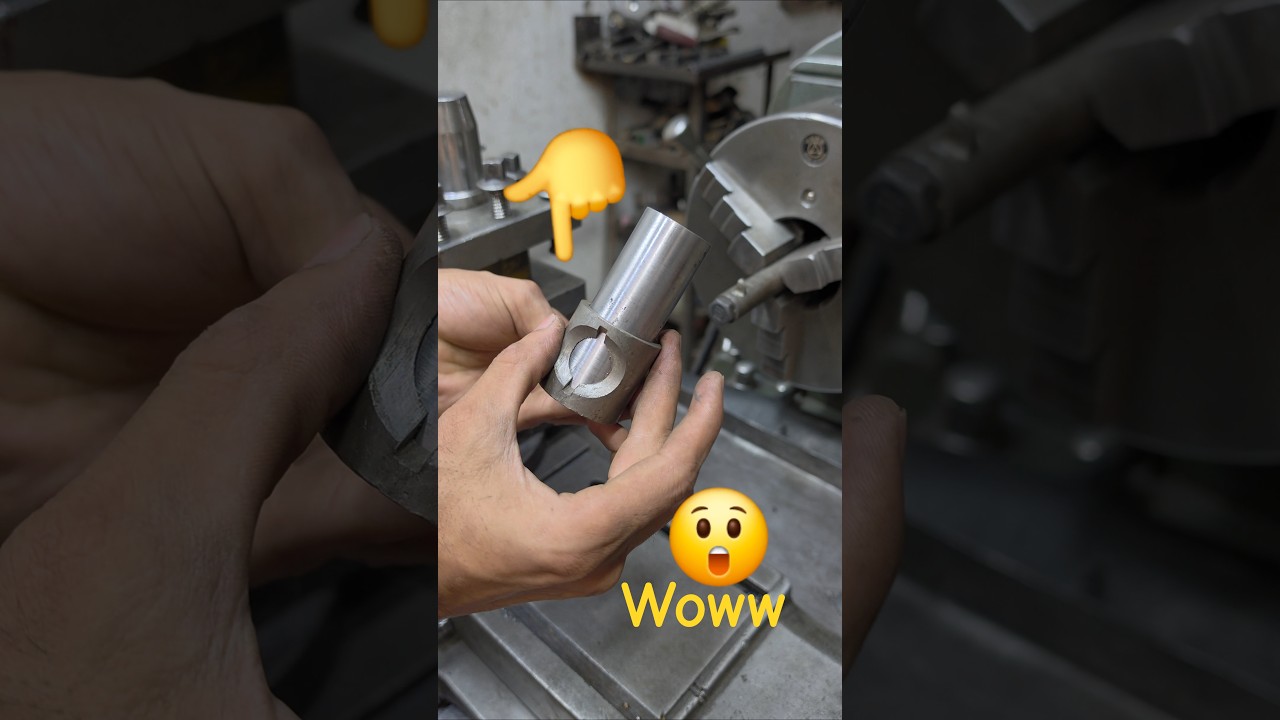
Machining metal components requires incredible precision, patience, and technical skill. Creating a cutter slot on a traditional lathe machine is a fundamental task in mechanical engineering, demanding precise tool alignment and strict control over manual operations. However, as modern manufacturing rapidly evolves, the integration of Engineering IT is transforming these traditional workshop techniques into highly optimized, digitalized processes.

The Mechanics of Cutting a Slot on a Lathe

Forming a cutter slot on a lathe involves securing the metal workpiece, selecting the appropriate cutting tool, and carefully regulating spindle speed and feed rates. Whether you are machining mild steel or hardened alloys, cutting an accurate slot ensures that the final component functions properly within a larger mechanical assembly. In a conventional setup, even slight miscalculations in tool pressure can cause severe chatter, rough surface finishes, or broken cutting bits.

Enhancing Precision Through Digital Solutions

While traditional lathe operations rely heavily on manual operator experience, modern machine shops are increasingly leveraging advanced Engineering IT solutions to boost accuracy and repeatability. By incorporating Computer-Aided Design (CAD) and Computer-Aided Manufacturing (CAM) software, technicians can digitally design and simulate cutter slot passes long before touching the physical machine.

Additionally, smart sensors installed on modern CNC and automated lathe systems collect real-time operational data. This information flows directly through integrated IT networks, enabling predictive maintenance that monitors spindle vibration, heat generation, and tool wear. Consequently, machinists can adjust cutting parameters on the fly to guarantee flawless execution every single time.

The Future of Machining and Technology

The convergence of heavy machinery and digital technology is defining the next era of industrial production. Embracing Engineering IT empowers manufacturers to bridge the gap between traditional mechanical craftsmanship and data-driven insights. By combining software intelligence with classic metalworking machinery, engineering facilities can dramatically reduce waste, shorten production times, and achieve unprecedented levels of operational efficiency.

Visual Insights & Illustrations

Engineering IT
Engineering IT
Engineering IT

How Material Hardness Affects Machinability: A Comprehensive Guide

...

In the world of manufacturing, understanding the relationship between material hardness and machinability is crucial for optimizing production efficiency. Whether you are working with CNC milling or manual turning, the hardness of your workpiece dictates almost every aspect of the machining process.

What is Material Hardness?

Material hardness refers to a substance's resistance to localized plastic deformation, such as scratching or indentation. In machining, this property determines how much force a cutting tool must exert to remove material effectively.

The Direct Impact on Machinability

Machinability is a measure of how easily a material can be cut while providing a satisfactory surface finish and reasonable tool life. Here is how hardness influences the outcome:

  • Tool Wear and Longevity: Higher hardness typically leads to increased abrasive wear on the cutting edge. Harder materials require specialized tool coatings like AlTiN or Diamond to withstand the friction.
  • Cutting Forces and Energy: As hardness increases, the power required to shear the metal also rises. This necessitates more rigid machine setups to prevent vibration and chatter.
  • Heat Generation: Harder materials generate significant thermal energy during chip formation. If not managed with proper coolant, this heat can lead to thermal deformation of both the tool and the workpiece.
  • Surface Finish: Interestingly, extremely soft materials can sometimes have poor machinability because they tend to "gum up" or create a Built-Up Edge (BUE), whereas harder materials often yield a cleaner, mirror-like finish if the correct parameters are used.

Balancing Hardness and Productivity

To master the machining of hard materials, engineers must adjust three critical variables:

  1. Cutting Speed (SFM): Generally, as hardness goes up, cutting speed must go down to preserve tool life.
  2. Feed Rate: Must be optimized to ensure the tool is "cutting" rather than "rubbing" against the work surface.
  3. Tool Geometry: Using negative rake angles can provide more strength to the cutting edge when tackling hardened steels.

Conclusion

Understanding how material hardness affects machinability allows manufacturers to select the right tools and strategies. While harder materials present challenges, they offer superior durability and performance for end-use applications. By adjusting your speed, feed, and tooling, you can achieve high-quality results regardless of the material's Rockwell C scale.

Machining, Material Science, Hardness, Manufacturing, CNC Tips, Engineering, Metalworking

An Overview of Metal Cutting Tools and Material Selection

...

In the world of precision manufacturing, understanding the synergy between tool geometry and material properties is essential. This guide provides a comprehensive overview of metal cutting tools and the critical factors involved in material selection to optimize machining performance.

Classification of Metal Cutting Tools

Metal cutting tools are generally categorized based on the number of cutting edges and the machining process they perform:

  • Single-Point Tools: Used in operations like turning and facing (e.g., Lathe tools).
  • Multi-Point Tools: Feature multiple edges to remove material, such as milling cutters, drills, and reamers.

Essential Properties of Cutting Tool Materials

To withstand high temperatures and friction, a cutting tool material must possess specific characteristics:

  • High Hardness: The ability to maintain a sharp edge at elevated temperatures (Red Hardness).
  • Toughness: Resistance to breakage or chipping during interrupted cuts.
  • Wear Resistance: The capacity to endure abrasive contact with the workpiece.

Common Cutting Tool Materials

Choosing the right material is a balance between cost and efficiency. Here are the most widely used options:

1. High-Speed Steel (HSS)

HSS is known for its excellent toughness. It is ideal for complex tool shapes and manual machining where high speeds are not the primary concern.

2. Cemented Carbides

Carbide tools are the industry standard for high-production CNC machining. They offer superior hardness and allow for significantly higher cutting speeds compared to HSS.

3. Ceramics and CBN

For hard-to-machine alloys and hardened steels, Cubic Boron Nitride (CBN) and Ceramics provide extreme heat resistance, though they are more brittle than carbide.

Material Selection Criteria

When selecting a tool, engineers must consider the workpiece material (e.g., Aluminum, Stainless Steel, or Titanium), the cutting speed, and the desired surface finish. Proper selection reduces tool wear and minimizes production costs.

Conclusion

Mastering metal cutting tools and material selection is vital for any manufacturing professional. By aligning tool properties with the specific demands of the job, you ensure durability, precision, and economic efficiency in your machining projects.

Metal Cutting, Tool Materials, Machining, Engineering, Manufacturing, CNC, HSS, Carbide Tools