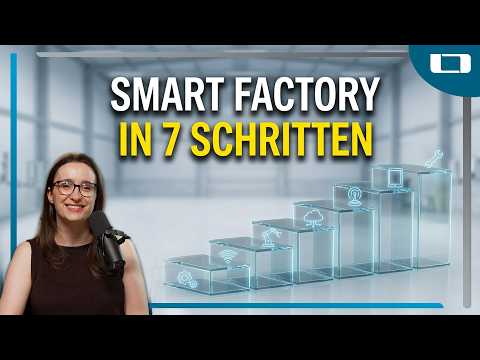
The era of manual data entry and paper-shuffling on the shop floor is coming to an end. For small and medium-sized enterprises (SMEs), transitioning to a smart factory is no longer a luxury reserved for industry giants—it is a necessity for staying competitive in a fast-paced global market. But how do you start without being overwhelmed by the complexity?
Here is a 7-step roadmap to help your SME transition to a digital, paperless manufacturing environment.
1. Assess Your Current Processes
Before you buy any software, you need to understand your current workflow. Identify where paper bottlenecks occur. Is it in production planning, quality assurance, or maintenance logs? Knowing your "Status Quo" is the foundation of any digital upgrade.
2. Define Clear Objectives
What do you want to achieve first? Whether it’s reducing lead times, minimizing error rates, or achieving 100% traceability, having specific goals ensures that your digital transformation remains focused and measurable.
3. Get Your Team on Board
A smart factory is only as good as the people operating it. Digitalization often causes anxiety among staff. Involve your employees early in the process, explain the benefits (like less paperwork and easier tasks), and provide the necessary training to build confidence.
4. Start Small with a Pilot Project
Don’t try to digitize the entire plant overnight. Pick one specific production line or a single department to serve as a pilot. This allows you to test digital tools, gather feedback, and fix bugs before scaling up to the rest of the facility.
5. Prioritize Data Connectivity
The heart of digital manufacturing is data. Ensure your machines can communicate with your software systems (such as an ERP or MES). Moving toward a paperless environment requires a "single source of truth" where data is updated in real-time.
6. Implement User-Friendly Interfaces
On the shop floor, speed is everything. Use intuitive interfaces—such as tablets or touchscreens—that allow workers to log data with a few taps. If the digital solution is harder to use than the old paper form, your team won't adopt it.
7. Iterate and Optimize
Digitalization is an ongoing journey. Once your systems are live, use the data you’ve collected to find new efficiencies. The goal of a smart factory is continuous improvement through data-driven insights.
Conclusion
Transitioning to a digital production model might seem daunting, but by following these seven steps, SMEs can eliminate the "paper chaos" and build a future-proof operation. Start small, focus on your people, and let data lead the way to higher productivity.
