Precision Machining Upgraded: How Engineering IT is Revolutionizing Lathe Operations
This article provides an in-depth exploration of Engineering IT, covering foundational concepts, practical applications, and engineering insights.
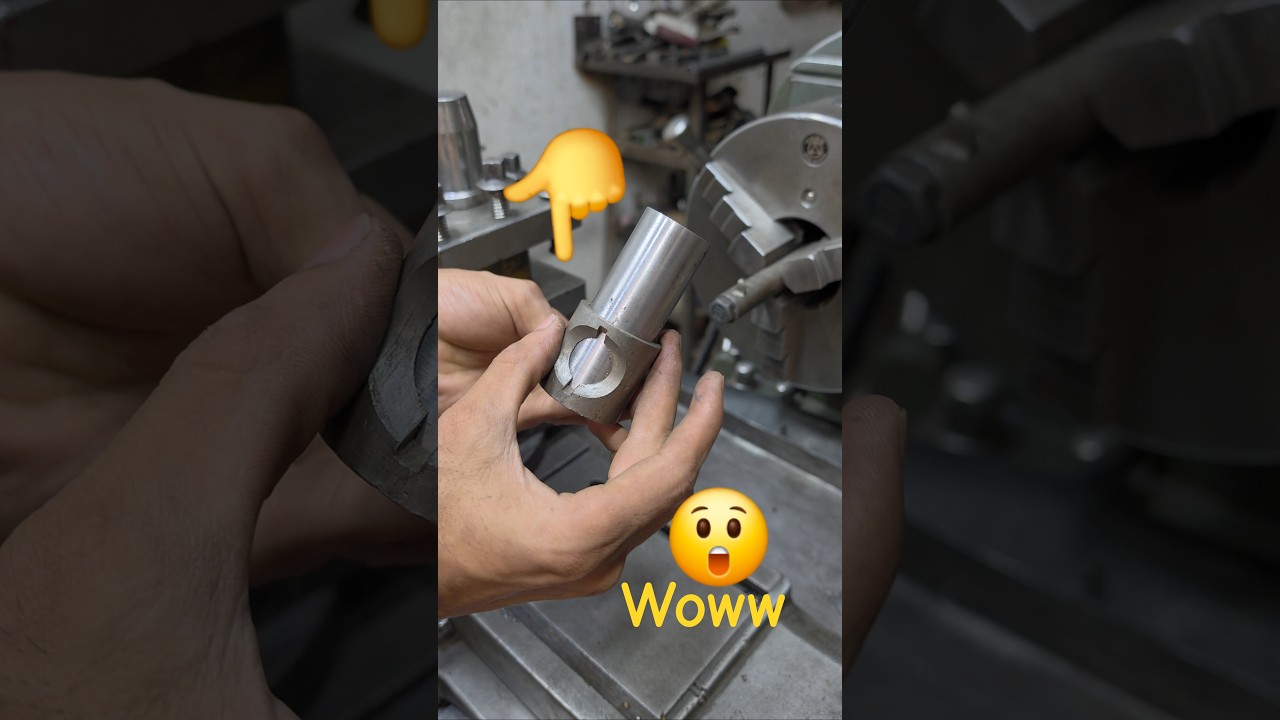
Machining metal components requires incredible precision, patience, and technical skill. Creating a cutter slot on a traditional lathe machine is a fundamental task in mechanical engineering, demanding precise tool alignment and strict control over manual operations. However, as modern manufacturing rapidly evolves, the integration of Engineering IT is transforming these traditional workshop techniques into highly optimized, digitalized processes.
The Mechanics of Cutting a Slot on a Lathe
Forming a cutter slot on a lathe involves securing the metal workpiece, selecting the appropriate cutting tool, and carefully regulating spindle speed and feed rates. Whether you are machining mild steel or hardened alloys, cutting an accurate slot ensures that the final component functions properly within a larger mechanical assembly. In a conventional setup, even slight miscalculations in tool pressure can cause severe chatter, rough surface finishes, or broken cutting bits.
Enhancing Precision Through Digital Solutions
While traditional lathe operations rely heavily on manual operator experience, modern machine shops are increasingly leveraging advanced Engineering IT solutions to boost accuracy and repeatability. By incorporating Computer-Aided Design (CAD) and Computer-Aided Manufacturing (CAM) software, technicians can digitally design and simulate cutter slot passes long before touching the physical machine.
Additionally, smart sensors installed on modern CNC and automated lathe systems collect real-time operational data. This information flows directly through integrated IT networks, enabling predictive maintenance that monitors spindle vibration, heat generation, and tool wear. Consequently, machinists can adjust cutting parameters on the fly to guarantee flawless execution every single time.
The Future of Machining and Technology
The convergence of heavy machinery and digital technology is defining the next era of industrial production. Embracing Engineering IT empowers manufacturers to bridge the gap between traditional mechanical craftsmanship and data-driven insights. By combining software intelligence with classic metalworking machinery, engineering facilities can dramatically reduce waste, shorten production times, and achieve unprecedented levels of operational efficiency.
Visual Insights & Illustrations


