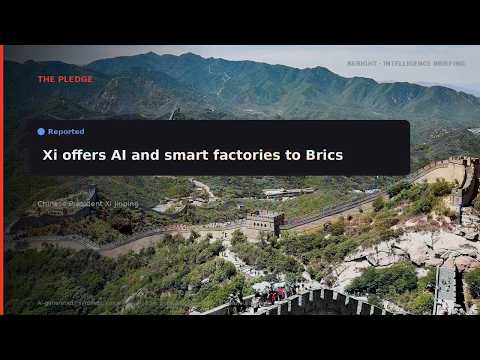
In a landmark move to accelerate global industrial transformation, Chinese President Xi Jinping recently pledged comprehensive support to BRICS nations in the fields of artificial intelligence (AI) and advanced technology. This strategic initiative aims to bridge the digital divide among emerging economies by integrating cutting-edge solutions into traditional manufacturing sectors. As part of this broad vision, China intends to share expertise, foster technological innovation, and help partner nations establish the foundation for a modern smart factory ecosystem.
Unlocking the Potential of AI in Industrial Production
The integration of artificial intelligence into industrial processes marks a critical shift toward higher efficiency, reduced operational costs, and enhanced output quality. By extending technical assistance, hardware, and infrastructure development, China's commitment empowers BRICS member states to upgrade their existing industrial bases.
Through machine learning algorithms, Internet of Things (IoT) sensors, and real-time data analytics, developing economies can rapidly transition from conventional labor-intensive assembly lines to data-driven operations. This technological leap is essential for any modern enterprise aiming to operate a competitive smart factory that can adapt seamlessly to global market demands.
Driving Sustainable Growth Across Emerging Markets
Beyond immediate technical upgrades, this collaborative effort aims to foster long-term, sustainable economic growth across the BRICS alliance. Access to advanced AI tools and smart manufacturing capabilities enables developing nations to optimize energy consumption, streamline supply chains, reduce industrial waste, and minimize overall environmental impact.
Furthermore, transferring knowledge and training local workforces to design, manage, and maintain a next-generation smart factory environment ensures that economic benefits remain localized and long-lasting. This shared expertise helps smaller or developing member nations build self-sustaining technological capabilities rather than relying permanently on foreign solutions.
A Shared Vision for Next-Generation Manufacturing
As global supply chains continue to evolve in response to technological advancements, international cooperation in deep-tech industries becomes increasingly vital. President Xi Jinping’s pledge represents a major step forward in standardizing digital manufacturing practices across emerging economies. By championing AI integration, cloud computing, and smart automation, China and its BRICS partners are actively laying the groundwork for an interconnected global manufacturing landscape—one driven by intelligence, efficiency, and shared economic prosperity.
