Have you ever looked at a towering skyscraper or a massive suspension bridge and wondered, how does that stay up? Behind every majestic structure that withstands heavy winds, earthquakes, and daily wear and tear is a team of structural engineers. But in today's digital era, the secret weapon behind these complex physical feats isn't just concrete and steel—it is modern Engineering IT.
What Does a Structural Engineer Do?
At its core, structural engineering is a specialized branch of civil engineering focused on designing the "framework" or "skeleton" of physical structures. While architects focus on aesthetics, shape, and spatial functionality, structural engineers ensure the design can physically support its own weight and withstand external forces.
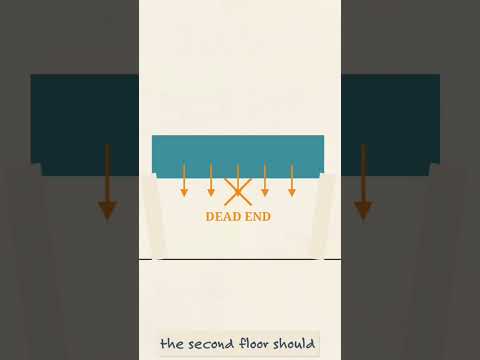
Their main responsibilities include: - Analyzing Loads: Calculating dead loads (the weight of the structure itself) and live loads (people, vehicles, furniture, weather elements). - Material Selection: Choosing the right combination of steel, concrete, timber, or composite materials for durability and safety. - Risk Mitigation: Designing buildings to endure extreme events such as hurricanes, soil shifts, and seismic activity.
The Role of Engineering IT in Modern Structural Design
Gone are the days when engineers relied solely on hand calculations and physical blueprints. Today, robust Engineering IT solutions form the backbone of structural analysis and design.
Advanced computational tools allow engineers to build 3D digital models long before ground is broken. Software powered by high-performance Engineering IT infrastructure enables complex Finite Element Analysis (FEA) and Building Information Modeling (BIM). Through these digital simulations, engineers can stress-test structural integrity under virtual extreme conditions, predicting potential failures and optimizing safety efficiently.
From automated load calculations to cloud-based collaboration between architects and field contractors, information technology has revolutionized how physical safety is guaranteed.
Building the Future Together
Structural engineering is the invisible force keeping our urban landscapes safe and functional. By combining fundamental physics with cutting-edge technology, engineers ensure that every bridge, stadium, and skyscraper is built to last. As cities grow taller and designs become more complex, the partnership between structural engineering and digital technology will continue to shape the world of tomorrow.


