
Showing posts with label Engineering Tips. Show all posts

Mastering Engineering Hardware Troubleshooting: A Guide to Power, Heat, and Failing Parts

...

When a critical system fails, the pressure to find a solution can lead even experienced technicians to overlook the most obvious culprits. However, as highlighted by Joshua Moses from the Cybertrace Foundation, mastering engineering hardware troubleshooting requires a systematic approach that prioritizes the most common points of failure: power and thermal regulation.

Start at the Source: Why Power Comes First

A startling percentage of hardware problems can be traced back to power inconsistencies. Whether it is a faulty power supply unit (PSU), a loose connection, or "dirty" power from an outlet, electrical issues can mimic complex component failures.

Before diving into deep-level diagnostics or software debugging, always verify the power chain. A stable voltage is the foundation of any reliable system. By checking power first, you eliminate the most frequent cause of instability, saving hours of unnecessary labor and part replacements.

The Silent Killer: Managing Heat

Heat is the primary enemy of electronic longevity. High temperatures lead to thermal throttling, where the system slows down to protect itself, often resulting in performance "hiccups" that are difficult to pin down. In the context of engineering hardware troubleshooting, environmental factors and cooling efficiency must be assessed early. Dust accumulation, dried-out thermal paste, or failing cooling fans can turn a high-performance machine into a sluggish, unreliable liability.

Identifying the "Failing vs. Failed" Distinction

One of the most critical skills in hardware diagnostics is recognizing the difference between a part that has failed and one that is currently failing. - Failed Parts: These are easy to spot because the system usually won't boot, or the component is completely unresponsive. - Failing Parts: These are far more dangerous. A failing component might work 90% of the time but cause intermittent crashes, data corruption, or "blue screens" under specific loads.

An integral part of engineering hardware troubleshooting is distinguishing between these two states. Catching a component in the "failing" stage allows for proactive data backup and scheduled maintenance, preventing the catastrophic downtime that follows a total hardware collapse.

Conclusion

Hardware maintenance doesn't have to be a guessing game. By focusing on power stability, monitoring thermal output, and understanding the nuances of component degradation, you can resolve issues faster and keep your systems running at peak efficiency. Remember: always start with the basics, and let the data guide your repair strategy.
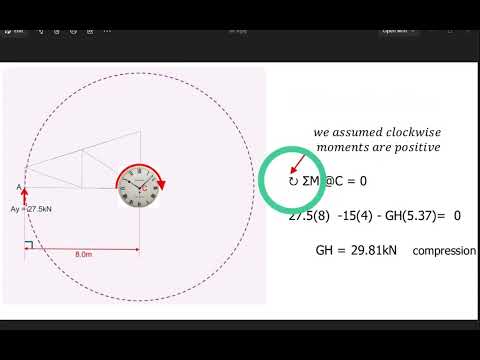
Simplifying Structural Engineering Calculation: Which Forces Belong in Your Moment Equation?

...

Structural analysis is often considered one of the most challenging aspects of civil engineering, primarily because one small oversight can lead to a significant error in the final design. Among the various steps involved, mastering the moment equation is critical. Many students and junior engineers struggle with a recurring question: "Which forces actually belong in my equation?"

If you have ever stared at a free-body diagram and felt overwhelmed by the number of arrows, this guide is for you. Mastering this specific structural engineering calculation is about understanding the relationship between force, distance, and the point of rotation.

Identify Your Pivot Point

The first step in any moment equation is selecting a reference point, often called the pivot or point of rotation. This is the most strategic part of your structural engineering calculation. By choosing a point where one or more unknown forces act, you can simplify your math. Remember, if a force passes directly through your chosen pivot point, its perpendicular distance is zero. Since a moment is Force multiplied by Distance ($M = F \times d$), these forces do not enter the equation.

The Rule of Perpendicular Distance

A common mistake is simply multiplying any force by any distance. To determine if a force belongs in your equation, look for its "lever arm." You must identify the perpendicular distance from the line of action of the force to the pivot point. If a force is parallel to the lever arm or points directly at the pivot, it generates zero moment and should be excluded.

Consistent Sign Conventions

Once you have identified the forces that create rotation, you must apply a consistent sign convention. Whether you choose clockwise as positive or counter-clockwise as positive doesn't matter, as long as you remain consistent throughout the entire structural engineering calculation. This ensures that opposing forces are balanced correctly, leading to a stable and accurate structural model.

Practice Makes Perfect

Deciding what belongs in a moment equation becomes intuitive with practice. Start by isolating each force and asking: "Does this force want to rotate the structure around my chosen point?" If the answer is yes, calculate the perpendicular distance and add it to your sum. By following these logical steps, you will eliminate guesswork and approach your structural analysis problems with newfound confidence.

Understanding Steel Grades for Industrial Applications

...

In the world of manufacturing and construction, choosing the right material is pivotal. Steel grades serve as a standardized system to categorize steel based on its chemical composition, physical properties, and intended use. This guide explores the essential steel grades for various industrial applications.

The Four Main Types of Steel

Understanding the classification of steel is the first step in selecting the appropriate grade for your project. The industry generally recognizes four primary groups:

  • Carbon Steel: Contains mostly iron and carbon. It is categorized into low, medium, and high carbon variants, used extensively in construction and automotive parts.
  • Alloy Steel: Infused with additional elements like manganese, silicon, or nickel to enhance strength and corrosion resistance.
  • Stainless Steel: Known for high chromium content, making it ideal for food processing and medical equipment due to its rust resistance.
  • Tool Steel: Renowned for hardness and heat resistance, perfect for machinery, drills, and cutting tools.

Common Steel Grading Systems

Engineers often refer to the SAE/AISI or ASTM standards to identify specific metal properties. For instance:

Grade Common Application Key Property
304 Stainless Kitchen Equipment Corrosion Resistance
4140 Alloy Gears & Shafts High Fatigue Strength
A36 Carbon Structural Beams Excellent Weldability

How to Choose the Right Grade?

When selecting industrial steel grades, consider factors such as tensile strength, ductility, and environmental exposure. Using the wrong grade can lead to structural failure or increased maintenance costs. Always consult with a metallurgical expert to ensure your materials meet the specific demands of your heavy-duty applications.

Steel Grades, Industrial Applications, Manufacturing, Metallurgy, Construction Materials, Engineering Tips, Stainless Steel, Carbon Steel

Understanding High-Carbon Steel and Its Industrial Uses

...

High-carbon steel is a robust alloy known for its exceptional hardness and strength. Containing between 0.60% and 1.5% carbon by weight, it stands out in the metallurgy world for its ability to withstand intense wear and maintain a sharp edge, making it indispensable in modern manufacturing.

Key Characteristics of High-Carbon Steel

The primary appeal of high-carbon steel properties lies in its response to heat treatment. Through processes like quenching and tempering, this material achieves a level of hardness that lower-carbon variants cannot match.

  • Superior Hardness: Resistant to deformation and surface indentation.
  • High Tensile Strength: Can withstand significant stress before breaking.
  • Edge Retention: Ideal for cutting tools that require long-lasting sharpness.

Common Industrial Applications

Due to its durability, industrial uses of high-carbon steel span across various heavy-duty sectors. From infrastructure to precision engineering, here is where this alloy excels:

1. Cutting Tools and Blades

Because it holds an edge exceptionally well, it is the standard material for knives, saws, axes, and industrial shears used in metalworking.

2. High-Strength Wires and Springs

The elasticity and strength make it perfect for manufacturing high-tension wires and heavy-duty springs used in automotive and aerospace engineering.

3. Construction and Masonry Tools

Hardened steel drill bits, hammers, and chisels rely on high-carbon content to penetrate tough surfaces without fracturing.

Conclusion

While high-carbon steel is less ductile and more brittle than mild steel, its wear resistance and structural integrity make it the top choice for demanding industrial environments. Understanding these properties ensures the right material selection for long-term efficiency.

High-Carbon Steel, Metallurgy, Industrial Materials, Steel Properties, Manufacturing, Engineering Tips, Metalworking

Leveraging Social Media for Engineering Knowledge

...

In today’s digital era, social media for engineering has become a powerful tool for accelerating knowledge sharing, collaboration, and professional development. Platforms such as LinkedIn, YouTube, Reddit, and engineering-focused communities provide engineers with access to global expertise, real-time problem-solving discussions, and the latest industry insights. By using these online channels effectively, professionals can strengthen their technical skills and stay updated with rapidly evolving technologies.

Why Social Media Matters for Engineering Knowledge

The engineering field requires continuous learning. Through engineering knowledge sharing on social networks, engineers can discover tutorials, CAD tips, simulation videos, case studies, and research findings. These platforms allow experts to simplify complex concepts, making technical learning more accessible for students, professionals, and enthusiasts.

Top Platforms for Engineering Knowledge

  • LinkedIn: A hub for engineering articles, industrial updates, and professional networking.
  • YouTube: One of the best platforms for technical demonstrations, software tutorials, and engineering experiments.
  • Reddit (Engineering Subreddits): Ideal for crowdsourced solutions and community discussions.
  • Facebook Engineering Groups: Great for quick tips, technical Q&A, and collaborative learning.

How Engineers Benefit from Social Media

Using engineering community platforms helps individuals enhance their creativity, solve technical challenges faster, and access diverse ideas from global experts. Social media also encourages collaborative problem-solving, making it easier to gain feedback on projects or share technical documentation.

Building Personal Expertise Online

To grow professionally, engineers can create content such as design tutorials, coding examples, or mechanical analysis guides. This not only improves personal branding but also contributes to the wider technical learning platform ecosystem. Sharing engineering insights builds trust and positions individuals as knowledgeable contributors in their field.

Conclusion

Leveraging social media for engineering knowledge allows professionals to learn continuously, collaborate with global communities, and access valuable insights beyond textbooks. With the right approach, social platforms can transform into powerful engineering learning tools that support long-term career growth and innovation.