Showing posts with label Data Management. Show all posts

Rethinking Centralization: Does Everything Belong in Your PLM System?

...
engineering information technology
Rethinking Centralization: Does Everything Belong in Your PLM System?

Rethinking Centralization: Does Everything Belong in Your PLM System?

This article provides an in-depth exploration of PLM system, covering foundational concepts, practical applications, and engineering insights.

When organizations embark on digital transformation, the phrase "centralized data" often gets misunderstood. Many teams assume that establishing a single source of truth requires dumping every piece of company information into a single software platform. However, overloading your core tools often leads to digital clutter, confusion, and reduced operational efficiency.

Not every piece of data belongs in your PLM system. To build a streamlined product development workflow, businesses must distinguish between true data governance and data overload.

Centralized Doesn't Mean "All-in-One"

True centralization is not about consolidating every operational detail into one monolithic database. Instead, it means establishing absolute clarity on where specific information is owned, maintained, and accessed across your digital ecosystem.

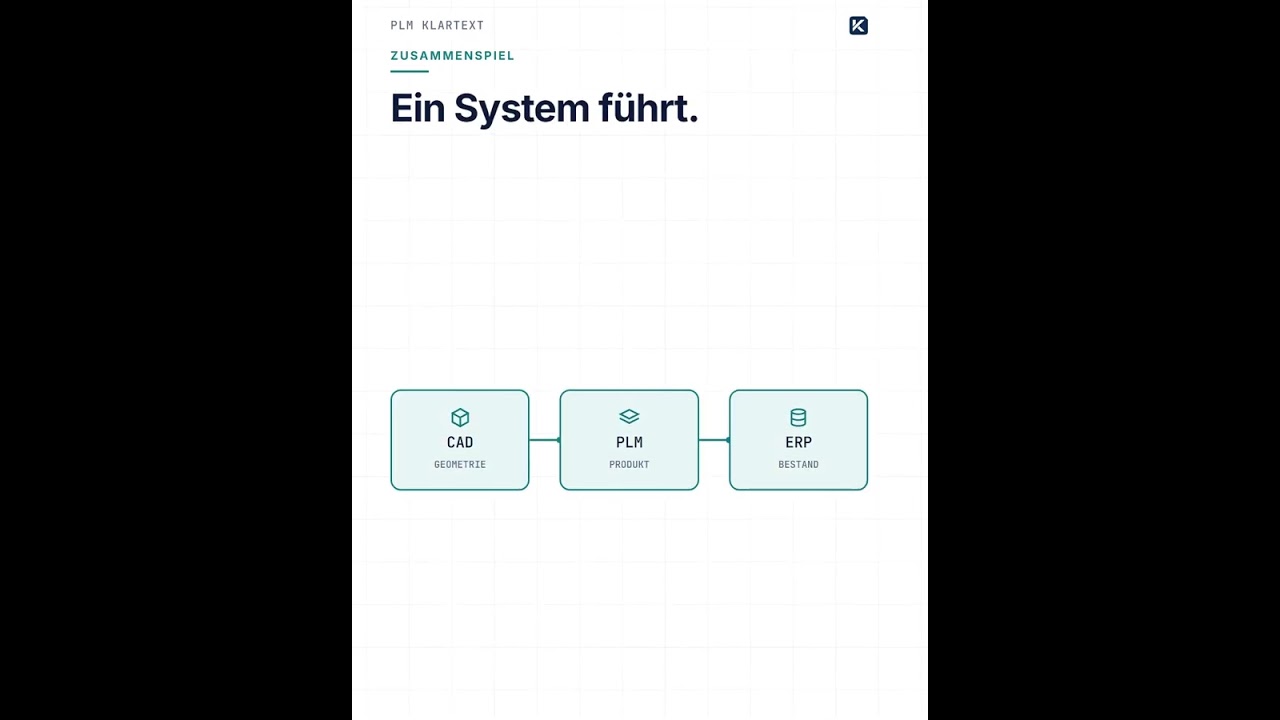
A modern enterprise architecture connects specialized tools—such as ERP, CRM, and MES—where each platform handles the specific domain it was built for. When you force unrelated administrative or transactional data into a PLM system, you slow down system performance and make critical product data harder for engineers and stakeholders to navigate.

Clarify the Purpose of Your Information

Before assigning any piece of data to a platform, you must clarify its core purpose. Ask yourself what business process the data primarily serves:

  • Product Definition & Lifecycle Data: CAD models, Bills of Materials (BOM), engineering change requests, and technical specifications naturally belong in product lifecycle management.
  • Transactional & Financial Data: Purchase orders, supplier pricing, and real-time inventory levels are best managed within an ERP platform.
  • Customer & Market Feedback: User requirements, sales notes, and support tickets should originate in your CRM.

By defining these clear boundaries, your PLM system remains an agile, authoritative hub for product structure and design data without getting bogged down by non-essential administrative details.

Strategy Over Storage

Successful data architecture relies on smart integration rather than dumping everything into one location. Focus on establishing clear data ownership, defining distinct system boundaries, and building seamless integrations between your tools. By keeping your product management ecosystem lean and purposeful, you empower your teams to find the exact information they need—right where it truly belongs.


🎬 Related Video Reference

Mastering PTC Windchill: 3 Expert Tips to Optimize Your PLM System

...
engineering information technology
Mastering PTC Windchill: 3 Expert Tips to Optimize Your PLM System

Mastering PTC Windchill: 3 Expert Tips to Optimize Your PLM System

This article provides an in-depth exploration of PLM system, covering foundational concepts, practical applications, and engineering insights.

Managing enterprise product data effectively requires powerful tools and a proactive operational strategy. PTC Windchill stands out as a leading software solution for modern engineering teams, but maintaining peak performance requires ongoing attention. In a recent expert session hosted by 3 HTi, their Technology Director and Windchill Expert shared essential best practices to help organizations streamline their operations and ensure their enterprise PLM system runs smoothly, securely, and efficiently.

Here are three core tips to keep your Windchill management strategy optimized.

1. Perform Routine System Audits and Maintenance

Regular system maintenance is crucial for preventing performance degradation and operational downtime. Running periodic health checks on your Windchill environment allows system administrators to identify performance bottlenecks, address database clutter, and verify user access permissions. Proactively maintaining your PLM system ensures smooth data flows across engineering, manufacturing, and supply chain departments without unexpected system latency.

2. Enforce Data Hygiene and CAD Lifecycle Control

One of Windchill's greatest strengths is its seamless integration with CAD environments like PTC Creo. However, unmanaged iteration histories and improper workspace habits can quickly bloat your server repository. To optimize data management, establish standardized vaulting rules, routinely purge unnecessary design iterations, and enforce clear release workflows. Proper data hygiene keeps workspace check-ins fast and prevents obsolete files from causing errors downstream.

3. Focus on User Experience and Continuous Training

A software platform is only as effective as the team utilizing it. To maximize user adoption, streamline custom workflows so they align closely with actual daily business processes rather than overcomplicating them. Pair system optimizations with continuous user training and clean interface setups. When users experience fast response times and straightforward navigation, productivity increases across the entire product development lifecycle.

Conclusion

Optimizing your PTC Windchill environment doesn't have to be overwhelming. By committing to proactive system maintenance, strict data hygiene, and user-centric workflows, you can unlock the full potential of your software while driving maximum ROI from your enterprise PLM system. Partnering with technical experts like 3 HTi can further accelerate your digital transformation and keep your engineering processes aligned with industry best practices.


🎬 Related Video Reference