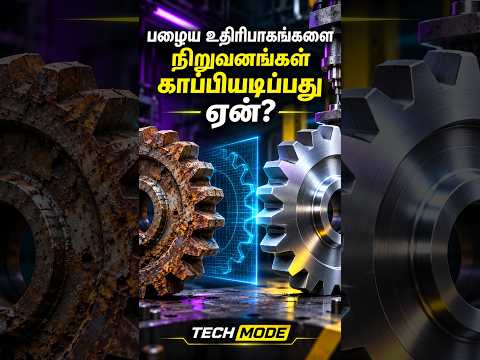
Imagine a critical piece of machinery in your facility suddenly breaks down. You reach out to the original equipment manufacturer, only to discover that the component is discontinued, the supplier is out of business, or the blueprints are lost. In industrial operations, this nightmare scenario happens more often than you think. How do modern businesses keep legacy equipment running without original designs? The secret lies in reverse engineering maintenance.
Why Original Spare Parts Disappear
Industrial machinery is often built to last for decades, but individual components inevitably wear out over time. When equipment outlives supplier support, obtaining replacement parts through traditional supply chains becomes nearly impossible. This can lead to months of unexpected downtime or force companies into expensive, unnecessary system upgrades.
How the Reverse Engineering Process Works
Rather than scrapping valuable machinery, modern operators utilize reverse engineering maintenance to recreate exact or even superior duplicates of obsolete components. The process typically follows a few key steps:
- 3D Laser Scanning: Advanced non-contact scanners capture every complex angle and dimension of the original worn part.
- Material & Metallurgical Analysis: Engineers evaluate the material composition and hardness to select the best alloy or polymer for reproduction.
- CAD Modeling: Specialized software generates a precise digital blueprint, allowing engineers to correct past design flaws or wear points.
- Precision Fabrication: The updated digital model is sent to modern CNC machinery or industrial 3D printers to manufacture a brand-new part.
Key Benefits for Industrial Operations
Implementing a proactive reverse engineering maintenance strategy delivers major advantages:
- Dramatically Reduced Downtime: Manufacturing a part locally or on-demand is vastly faster than sourcing hard-to-find legacy components.
- Massive Cost Savings: It prevents the high capital expenditure of replacing entire operational systems due to one broken piece.
- Upgraded Performance: Modern materials and improved manufacturing techniques mean recreated parts often outperform the original design.
Final Thoughts
Recreating old spare parts without original documentation is no longer a challenge—it is smart asset management. By embracing reverse engineering, organizations can extend the lifespan of their machinery, safeguard their operations against supply chain disruptions, and keep productivity high.


