Showing posts with label 3D Printing. Show all posts

Master ABS 3D Printing: 2 Essential Tips for Tech Engineering Success

...
engineering information technology
Master ABS 3D Printing: 2 Essential Tips for Tech Engineering Success

Master ABS 3D Printing: 2 Essential Tips for Tech Engineering Success

This article provides an in-depth exploration of Tech engineering, covering foundational concepts, practical applications, and engineering insights.

3D printing with technical materials like Acrylonitrile Butadiene Styrene (ABS) offers incredible strength, heat resistance, and durability. Because of these robust properties, ABS has become a staple material in modern tech engineering projects requiring functional, load-bearing components and prototypes. However, printing with ABS can be notoriously challenging due to warping, poor bed adhesion, and thermal shrinkage.

If you want to achieve professional-grade results and prevent failed prints, here are two essential tips for successfully working with technical filaments like ABS.

1. Control the Thermal Environment with an Enclosure

One of the biggest hurdles when printing ABS is its extreme sensitivity to temperature fluctuations. As the material cools down rapidly, it contracts, leading to severe warping or layer separation (delamination).

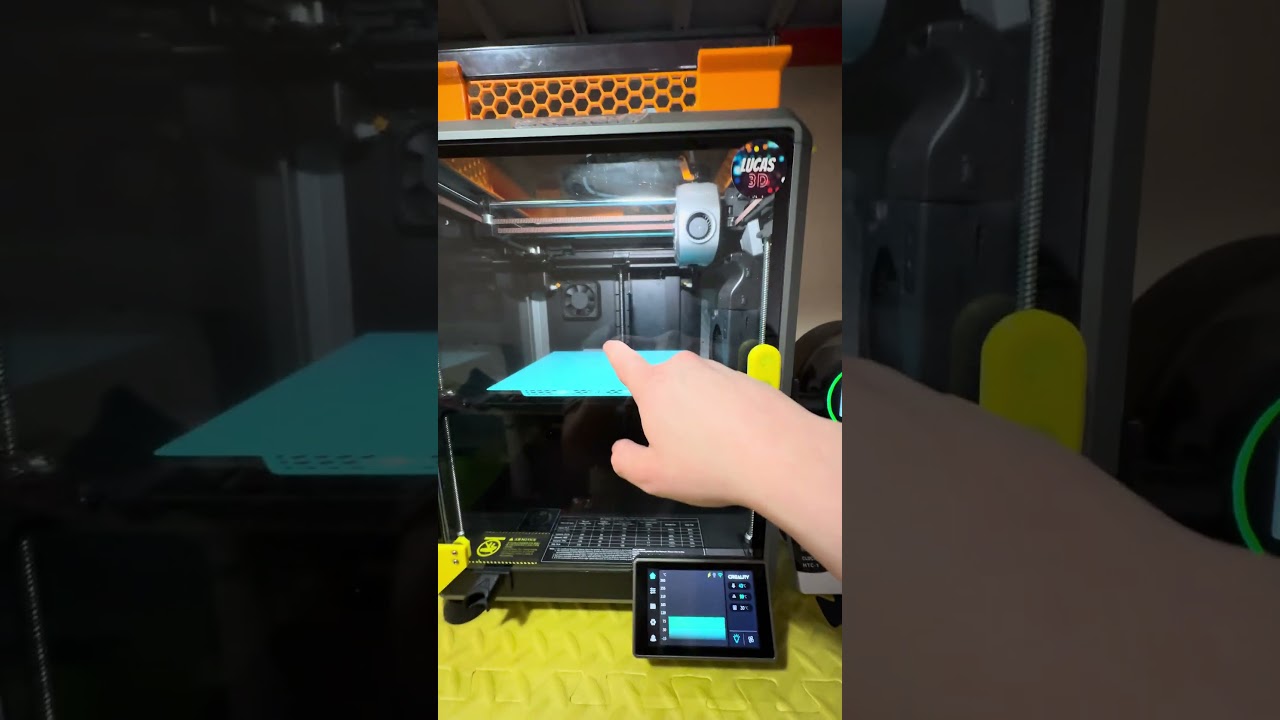
To overcome this, always use a fully enclosed 3D printer. An enclosure traps the ambient heat, maintaining a stable, warm temperature around the print bed throughout the entire process. When fabricating parts for tech engineering applications, aim for a heated bed temperature between 90°C and 110°C, and keep your print cooling fans turned off or at a very low setting. This controlled environment ensures uniform cooling and prevents internal stress from distorting your model.

2. Optimize Bed Adhesion and Surface Preparation

First-layer adhesion is make-or-break when dealing with engineering-grade thermoplastics. Even with a heated enclosure, ABS can easily pull away from the build plate if the surface isn't properly prepared.

To ensure a firm grip, consider using specialized build surfaces such as textured PEI sheets. Additionally, applying adhesion promoters like ABS slurry (a mix of ABS scrap dissolved in acetone) or specialized 3D printing glues creates a strong bond that holds the print securely in place. Always ensure your build plate is thoroughly cleaned with isopropyl alcohol (IPA) before starting a print to remove grease, fingerprints, and dust.

Final Thoughts

Mastering technical filaments doesn't have to be overwhelming. By controlling your ambient thermal environment and perfecting your bed adhesion, you can consistently produce high-quality, durable components. Incorporate these two crucial steps into your workflow to elevate your tech engineering prototypes and achieve reliable, high-precision results every time.

Visual Insights & Illustrations

Tech engineering
Tech engineering
Tech engineering

Architecting the Future: A Comprehensive Approach to Digital-to-Physical Material Deployment Pipelines

...

Exploring the seamless integration of computational design and automated fabrication.

In the era of Industry 4.0, the bridge between a virtual concept and a tangible object is no longer a manual transition. The Digital-to-Physical Material Deployment Pipeline represents a sophisticated workflow that synchronizes data-driven design with advanced manufacturing techniques.

Understanding the Deployment Pipeline

A robust pipeline ensures that material properties defined in a digital environment are accurately translated into physical forms. This process involves several critical stages:

  • Digital Synthesis: Utilizing parametric tools to define geometry and material distribution.
  • Data Translation: Converting complex 3D data into machine-readable instructions (G-code, robotic paths).
  • Physical Deployment: The actual fabrication process using additive manufacturing, CNC, or robotic assembly.

Key Components for SEO-Optimized Workflows

To optimize a digital fabrication pipeline, developers and designers must focus on "Material Intelligence." This means the material isn't just a passive medium but a data-rich component of the deployment strategy.

"The goal is to create a feedback loop where physical constraints inform digital parameters in real-time."

The Technical Workflow

Modern Material Deployment Pipelines leverage high-level computational design. Below is a conceptual breakdown of the architecture:

Phase Description
Computational Design Algorithmic generation of material patterns.
Optimization Simulating stress and durability before physical output.
Execution Automated deployment via robotic end-effectors.

By implementing a structured Digital-to-Physical pipeline, industries can reduce waste, increase precision, and unlock new possibilities in automated construction and material science.

The Future of Sustainable Metal Manufacturing: Shaping a Greener Industry

...

The global industrial landscape is undergoing a massive transformation. As climate change concerns intensify, sustainable metal manufacturing has moved from a niche concept to a core business strategy. The industry is now pivoting toward methods that reduce carbon footprints while maintaining high-quality output.

1. The Rise of Green Steel and Low-Carbon Aluminum

Traditional smelting is one of the largest emitters of CO2. However, the future lies in Green Steel produced using hydrogen instead of coal. By replacing fossil fuels with renewable energy sources, manufacturers can significantly decrease greenhouse gas emissions during the primary production phase.

2. Embracing the Circular Economy

Sustainability isn't just about energy; it’s about lifecycle. A circular economy in metal manufacturing focuses on advanced recycling technologies. Scrap metal is no longer waste but a valuable resource that requires up to 95% less energy to process than virgin ore.

3. Additive Manufacturing and Precision Engineering

Additive Manufacturing (3D Printing) is revolutionizing how we think about material efficiency. By building components layer-by-layer, manufacturers can create complex geometries with minimal material waste. This "near-net-shape" production is essential for lightweighting in the aerospace and automotive sectors.

4. Digitalization and Smart Factories

The integration of AI and IoT (Internet of Things) allows for real-time monitoring of energy consumption. Smart factories can optimize heating cycles and cooling processes, ensuring that every kilowatt of energy is used effectively, further cementing the role of sustainable practices in modern industry.

In conclusion, the future of metal manufacturing is bright, efficient, and, most importantly, sustainable. By adopting green technologies today, the industry ensures its relevance in a net-zero emission world.

Sustainable Manufacturing,Green Steel,Metal Industry,Eco-Friendly Tech,3D Printing,Circular Economy,Future Technology

Industrial 3D Metal Printing Technologies Explained: A Comprehensive Guide

...

The landscape of modern manufacturing is shifting rapidly, with industrial 3D metal printing leading the charge. Also known as metal additive manufacturing, these technologies allow for complex geometries that were once impossible to create using traditional methods.

Main Types of Metal 3D Printing Technologies

Understanding the different processes is crucial for choosing the right application for your industry. Here are the most prominent technologies used today:

1. Powder Bed Fusion (PBF)

This is the most common industrial method. It includes Selective Laser Melting (SLM) and Direct Metal Laser Sintering (DMLS). A high-powered laser fuses metallic powder layer by layer to create a solid part.

  • Best for: Aerospace components, medical implants.
  • Pros: High precision and excellent mechanical properties.

2. Binder Jetting

In Metal Binder Jetting, a liquid binding agent is selectively deposited onto a powder bed. Unlike PBF, this process doesn't use heat during the printing phase, which prevents thermal stress.

  • Best for: Batch production and large-scale industrial parts.
  • Pros: Faster than laser-based methods and more cost-effective.

3. Directed Energy Deposition (DED)

DED uses a focused energy source (laser or electron beam) to melt material as it is being deposited through a nozzle. It is often used to repair existing parts or add material to large structures.

The Future of Additive Manufacturing

As 3D metal printing technologies continue to evolve, we see a significant reduction in waste and lead times. From stainless steel to titanium alloys, the materials available are expanding, making it a cornerstone of Industry 4.0.

Whether you are looking for rapid prototyping or end-use part production, understanding these industrial 3D printing methods is the first step toward innovation.

3D Printing, Metal Additive Manufacturing, Industrial Technology, SLM, DMLS, Binder Jetting, Engineering, Industry 4.0

The Future of Stainless Steel in High-Tech Industries

...

As we pivot toward a more technologically advanced era, the materials we rely on must evolve. Stainless steel, once seen as a traditional industrial staple, is reclaiming its position at the forefront of innovation. In high-tech industries, its unique properties are becoming indispensable for the next generation of infrastructure and devices.

Why Stainless Steel is the Material of the Future

The shift toward sustainable engineering and high-performance hardware has highlighted the versatility of stainless steel. Unlike many composites, it is 100% recyclable, fitting perfectly into the circular economy goals of modern tech giants.

1. Aerospace and Space Exploration

In the aerospace sector, the demand for materials that can withstand extreme temperatures and corrosive environments is surging. Modern stainless steel alloys are being utilized in rocket components and satellite housings due to their exceptional strength-to-weight ratio at cryogenic temperatures.

2. Green Energy and Hydrogen Storage

The transition to green energy relies heavily on hydrogen. Stainless steel is critical for the construction of hydrogen fuel cells and storage tanks, offering the necessary resistance to high pressure and hydrogen embrittlement.

3. Electronics and Precision Engineering

From the internal frames of high-end smartphones to the intricate components of medical robotics, precision-engineered stainless steel ensures durability and biocompatibility that plastics and aluminum often cannot match.

[Image of hydrogen fuel cell]

Additive Manufacturing: 3D Printing Stainless Steel

One of the most exciting developments in the high-tech industry is 3D printing with stainless steel powder. This technology allows for complex geometries that were previously impossible to manufacture, reducing waste and accelerating the prototyping phase for tech startups.

Conclusion

The future of stainless steel is not just about strength; it is about smart application and sustainability. As industries like AI hardware, space tech, and renewable energy grow, this resilient metal will continue to be the backbone of global innovation.

Stainless Steel, High-Tech Industry, Future Materials, Aerospace Technology, Green Energy, Sustainable Engineering, 3D Printing, Electronics

How Metallurgy Shapes the Future of Engineering Innovation

...

Metallurgy is often viewed as an ancient craft, but today, it stands at the forefront of the next industrial revolution. From the depths of the ocean to the vastness of space, innovative metallurgical processes are defining the limits of what engineers can build.

1. High-Performance Alloys in Aerospace and Defense

The demand for engines that run hotter and faster has led to the development of superalloys. These materials maintain their structural integrity under extreme thermal stress, allowing for more fuel-efficient jet engines and reusable spacecraft components. Innovation in nickel-based superalloys is a primary driver in modern aerospace engineering.

2. The Rise of Smart Materials and Shape Memory Alloys

Engineering is no longer static. With the advent of Shape Memory Alloys (SMAs), structures can now respond to environmental changes. These "smart" metals are revolutionizing robotics and medical devices, such as stents that expand inside arteries or actuators that mimic human muscle movement.

3. Sustainable Metallurgy and the Green Economy

As the world shifts toward renewable energy, metallurgy plays a crucial role in sustainability. The development of lightweight aluminum and magnesium alloys is essential for extending the range of Electric Vehicles (EVs). Furthermore, advancements in green steel production are significantly reducing the carbon footprint of global construction.

4. Nanotechnology and Additive Manufacturing

The future of metallurgy lies in the microscopic. By manipulating metal structures at the atomic level (nanometallurgy), we can create materials with unprecedented strength. Combined with 3D Metal Printing (Additive Manufacturing), engineers can now produce complex geometries that were previously impossible to manufacture.

Conclusion

Modern metallurgy is the backbone of engineering innovation. By continuing to push the boundaries of material science, we are not just making better tools—we are building a faster, stronger, and more sustainable future.

Engineering, Metallurgy, Material Science, Innovation, Technology, Sustainable Tech, Aerospace, 3D Printing

Open Source Hardware Projects for Practical Learning

...

Open source hardware has become a powerful gateway for hands-on technical education. By giving learners access to schematics, source files, PCB layouts, and firmware, these projects allow students and hobbyists to understand how real hardware systems are designed and developed. In this guide, we explore essential open source hardware projects that offer practical learning opportunities and support long-term skill development.

1. Arduino-Based Embedded Systems

The Arduino platform remains one of the most popular open source hardware projects for beginners. Its open schematics, microcontroller documentation, and rich community resources make it ideal for learning embedded systems, electronics, and IoT development. Whether experimenting with sensors or creating automation systems, Arduino provides a transparent, beginner-friendly environment.

2. Raspberry Pi for Computer Science Education

Raspberry Pi is an open source hardware board widely used to teach programming, robotics, and networking. Learners gain real experience with Linux, Python, cloud computing, and edge computing, making Raspberry Pi a powerful tool for practical STEM education and open source hardware learning.

3. Open Source 3D Printer Projects

Projects like RepRap revolutionized the world of maker tools. With fully open mechanical structures and firmware, these printers enable learners to study motion control, stepper drivers, extrusion systems, and CAD/CAM workflows. Building a 3D printer from open designs provides a deep, hands-on understanding of additive manufacturing.

4. Open Source Robotics Platforms

Robotics kits such as OpenROV, TurtleBot, and other open platforms allow learners to explore real robotic architectures. By analyzing open schematics, motor control boards, and ROS integration, students gain meaningful experience in robotics engineering and system integration.

5. DIY IoT Sensor Nodes

Open source IoT projects often include PCB designs, firmware, and cloud integration scripts. These projects help learners understand wireless protocols such as MQTT, LoRa, Wi-Fi, and BLE. They also support practical learning in IoT hardware design and energy-efficient sensor systems.

Why Open Source Hardware is Ideal for Learning

Open source hardware provides transparency that traditional closed systems cannot match. Students can inspect designs, modify firmware, troubleshoot circuits, and replicate systems. This makes open source hardware an essential resource for STEM education, hands-on engineering practice, and personal innovation.

Conclusion

From microcontrollers and robotics to IoT sensors and 3D printers, open source hardware projects offer endless opportunities for practical learning. Whether you're a beginner or an advanced maker, exploring these systems will strengthen your technical foundation and inspire real innovation.

Bottle Filling, Capping Machine, Industrial Automation, Manufacturing, Mechatronics

...


The video is a detailed tutorial on How to Make an Automatic Bottle Filling and Capping Machine Using Arduino.

The project involves custom PCBs, 3D printed components, various electronic parts, and mechanical assembly to create a functional, accurate, and fast automatic system [00:00].

Project Breakdown and Components
The creator first shows the custom PCB (Printed Circuit Board) made for the control board [01:15].

The essential materials used in the project include:

Control Board Components [03:09]:

Arduino Nano

A4988 Stepper Motor Driver

Resistors, Transistors (BC547, AA2)

12V DC Relays

5V Voltage Regulator, DC Power Jack, Buzzer, Tactile Switch

Capacitor, Diodes (1N4007)

3D Printed Parts [06:04]:

Bottle holding assembly plates (upper, middle, lower)

Cap dispenser with a stopper

Capping assembly parts, including a capping motor head with a rubber part extracted from a 50ml syringe

Bearing holding assembly and stepper motor holding assembly

Bottle guides

Mechanical and Electronic Components [07:43]:

NEMA 17 Stepper Motor

Linear sliding bearings and 8mm shafts

Timing belt and pulleys (20 teeth, 60 teeth)

LCD screen

Three Infrared (IR) Sensors

Voltage step-down converter

12V DC Gear Motor

20ml medical syringe (used in the capping mechanism)

Small Air Pump and Air Solenoid Valve

12V Water Pump

Assembly and Functionality
Physical Construction: The video guides the viewer through assembling the main structure and mechanisms, including the bottle holding assembly and the capping assembly, which uses a syringe, spring, and 3D printed parts for the vertical movement [09:05].

Sensors and Logic [13:42]:

Sensor 1 (Homing): Used to start the machine from the same position every time.

Sensor 2 (Bottle Detection): Detects if a bottle is in the holder; if not, the machine automatically stops [14:14].

Sensor 3 (Cap Detection): Detects if a cap is on the bottle before capping; if no cap is present in the holder, the machine automatically stops [14:20].

Wiring and Coding: All motors, pumps, valves, and sensors are wired to the custom control board [15:01]. The final step is to upload the simple Arduino code (details are in the video description) [16:20].

Demonstration
In the final demonstration with a conveyor belt setup, the machine is shown successfully:

Taking an empty bottle from the conveyor.

Filling it with water using the water pump.

Moving to the capping station.

Placing and sealing the cap on the bottle.

Releasing the filled and capped bottle back onto the conveyor belt [18:06].

The machine automatically stops when the conveyor runs out of empty bottles [19:20] and also gives a warning and stops if the cap holder runs out of caps [20:35].

You can watch the full demonstration and process at the link provided: How to Make Automatic Bottle Filling and Capping Machine Using Arduino.


Based on the video's content, "How to Make Automatic Bottle Filling and Capping Machine Using Arduino," here are relevant tags and labels:

  • Project & Subject: Automatic Bottle Filling and Capping Machine, Bottle Filling Machine, Capping Machine, Liquid Filling Machine, DIY Machine, HomeMade Projects, Industrial Automation, Prototype.

  • Technology & Platform: Arduino, Arduino Project, Arduino Automation, DIY Electronics, Microcontroller, Control Board, PCB, Electrical Engineering.

  • Components & Mechanisms: Stepper Motor, NEMA 17, Sensors, Infrared Sensors, 3D Printing, 3D Printed Parts, Water Pump, Solenoid Valve, Timing Belt.

  • Action & Genre: How To Make, Tutorial, DIY, Science Project, Engineering Project, Maker Project, Build an Automatic Machine.