Master ABS 3D Printing: 2 Essential Tips for Tech Engineering Success
This article provides an in-depth exploration of Tech engineering, covering foundational concepts, practical applications, and engineering insights.
3D printing with technical materials like Acrylonitrile Butadiene Styrene (ABS) offers incredible strength, heat resistance, and durability. Because of these robust properties, ABS has become a staple material in modern tech engineering projects requiring functional, load-bearing components and prototypes. However, printing with ABS can be notoriously challenging due to warping, poor bed adhesion, and thermal shrinkage.
If you want to achieve professional-grade results and prevent failed prints, here are two essential tips for successfully working with technical filaments like ABS.
1. Control the Thermal Environment with an Enclosure
One of the biggest hurdles when printing ABS is its extreme sensitivity to temperature fluctuations. As the material cools down rapidly, it contracts, leading to severe warping or layer separation (delamination).
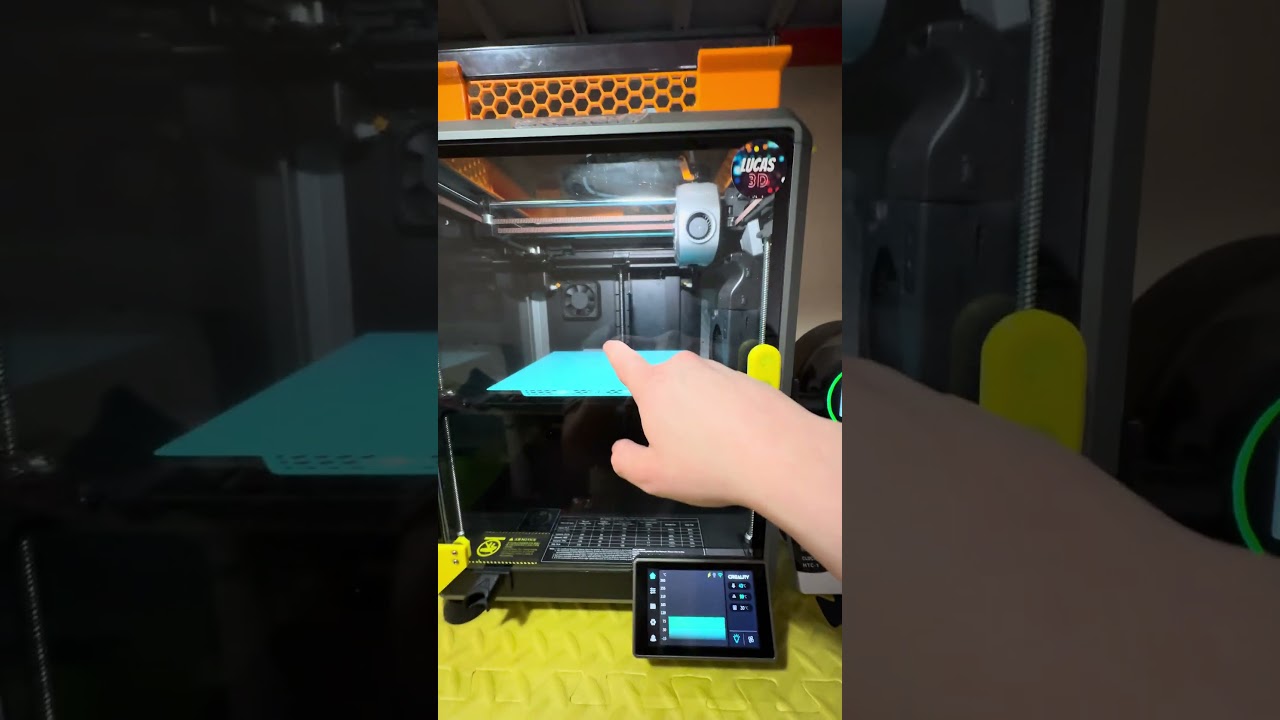
To overcome this, always use a fully enclosed 3D printer. An enclosure traps the ambient heat, maintaining a stable, warm temperature around the print bed throughout the entire process. When fabricating parts for tech engineering applications, aim for a heated bed temperature between 90°C and 110°C, and keep your print cooling fans turned off or at a very low setting. This controlled environment ensures uniform cooling and prevents internal stress from distorting your model.
2. Optimize Bed Adhesion and Surface Preparation
First-layer adhesion is make-or-break when dealing with engineering-grade thermoplastics. Even with a heated enclosure, ABS can easily pull away from the build plate if the surface isn't properly prepared.
To ensure a firm grip, consider using specialized build surfaces such as textured PEI sheets. Additionally, applying adhesion promoters like ABS slurry (a mix of ABS scrap dissolved in acetone) or specialized 3D printing glues creates a strong bond that holds the print securely in place. Always ensure your build plate is thoroughly cleaned with isopropyl alcohol (IPA) before starting a print to remove grease, fingerprints, and dust.
Final Thoughts
Mastering technical filaments doesn't have to be overwhelming. By controlling your ambient thermal environment and perfecting your bed adhesion, you can consistently produce high-quality, durable components. Incorporate these two crucial steps into your workflow to elevate your tech engineering prototypes and achieve reliable, high-precision results every time.
Visual Insights & Illustrations


