Master True AI Engineering IT: Stop Relying on Fragile Code Wrappers
This article provides an in-depth exploration of Engineering IT, covering foundational concepts, practical applications, and engineering insights.
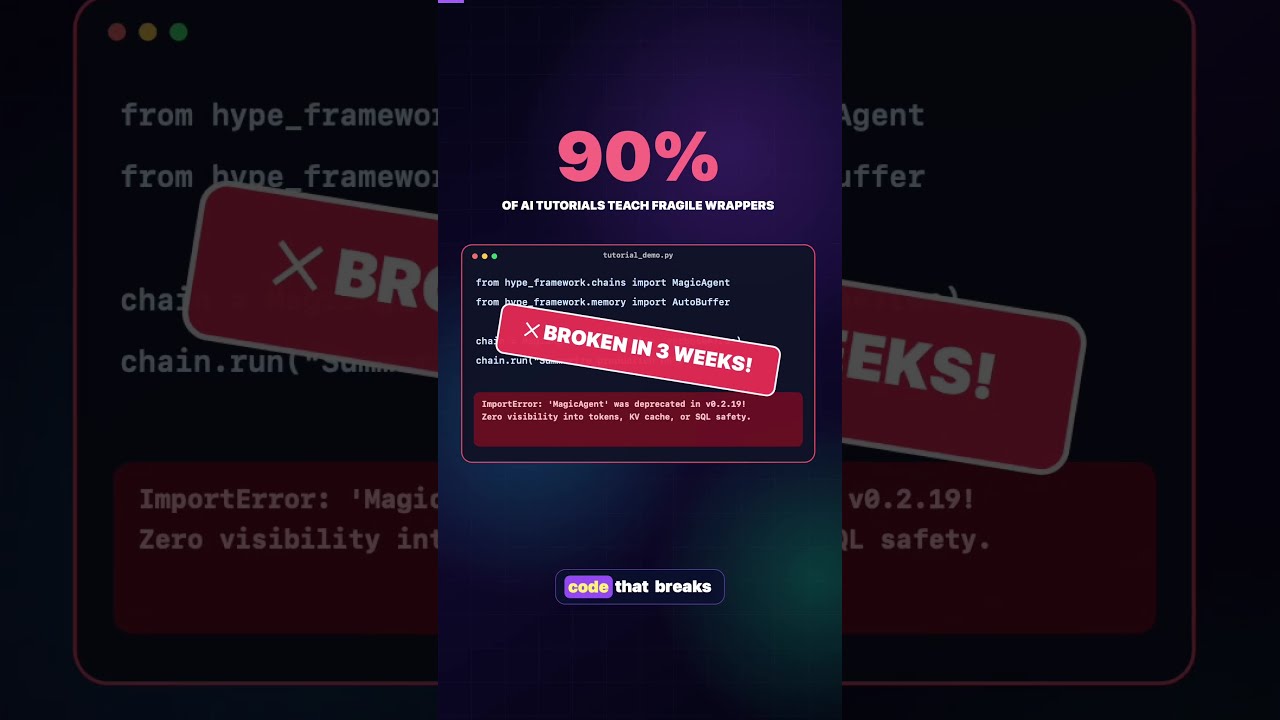
Have you ever followed a glowing AI tutorial, built a quick project, and watched it completely break just three weeks later? You aren't alone. A massive percentage of online tutorials teach superficial workarounds and fragile API wrappers rather than core principles. To build resilient applications in today's rapidly changing tech landscape, professionals must move beyond surface-level quick fixes and focus on robust Engineering IT fundamentals.
Stop Memorizing Wrappers, Start Understanding LLMs
Most modern coding guides simply show you how to plug third-party libraries together. While this approach gets a prototype running in minutes, it leaves developers helpless when underlying APIs change or deprecate. True AI expertise isn't about memorizing syntax for disposable wrappers; it is about grasping how Large Language Models (LLMs) operate under the hood.
By taking a visual and interactive approach to learning architecture—such as understanding embeddings, attention mechanisms, and context management—you learn how to construct software that actually endures.
The Shift Toward Real AI Engineering
As artificial intelligence continues to reshape software design, the expectations for modern Engineering IT teams are rapidly evolving. Companies no longer just need coders who can call a pre-packaged endpoint; they require engineers who understand model mechanics, latency optimization, data pipelines, and system scalability.
When you master the fundamental mechanics of AI instead of relying on temporary code shortcuts, you position yourself as a crucial asset capable of solving complex, real-world technical challenges.
Building a Future-Proof Tech Career
Transitioning to real AI engineering requires shifting your mindset from copy-pasting code snippets to deep architectural comprehension. Using interactive tools to visualize data flow and neural operations allows you to troubleshoot edge cases and innovate much faster.
Ultimately, learning the foundational science behind LLMs ensures that your skills remain relevant. By focusing on core technical principles, you elevate your Engineering IT career and ensure your code stays functional long after quick tutorial trends fade.


