How Tech Engineering Digs Massive Tunnels Through Solid Mountains
This article provides an in-depth exploration of Tech engineering, covering foundational concepts, practical applications, and engineering insights.
Have you ever driven through a mountain tunnel and wondered how humans managed to pierce through miles of solid rock? Carving subterranean passages through tough geological formations used to take decades of hazardous labor. Today, the field of tech engineering has revolutionized mega-construction, allowing us to build deep underground with remarkable speed and surgical precision.
The Mechanical Giants: Tunnel Boring Machines (TBMs)
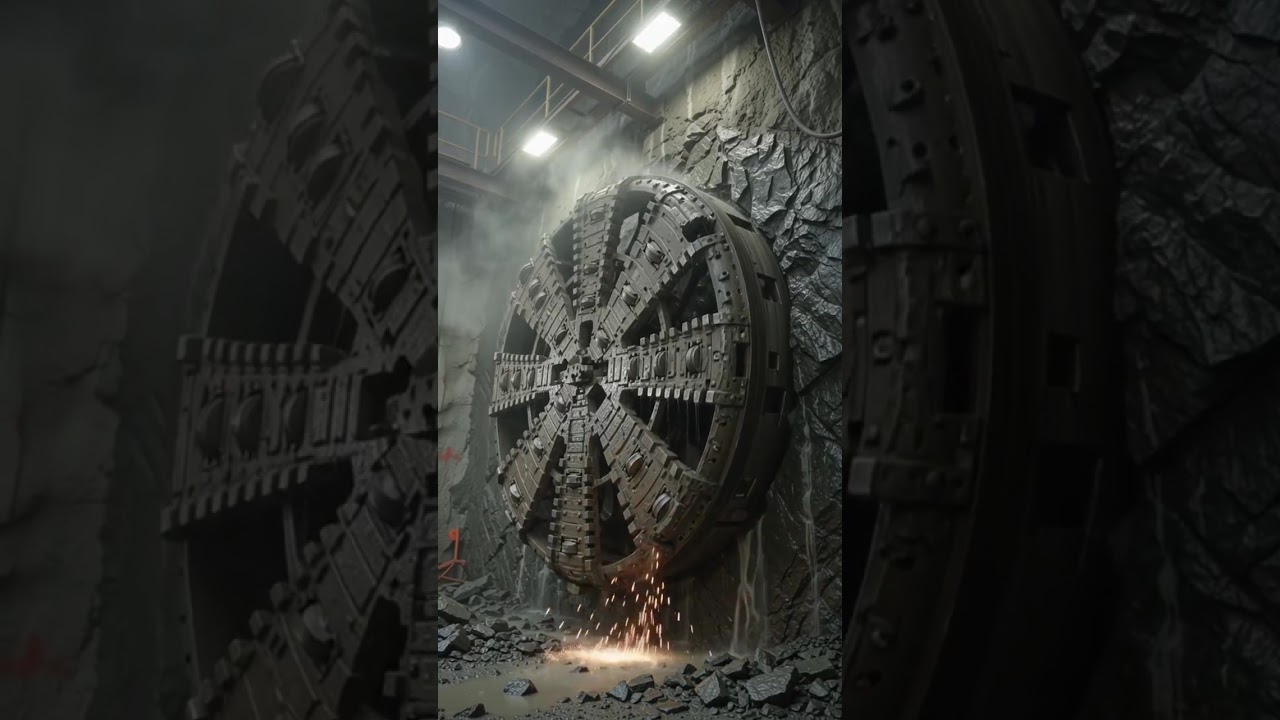
At the heart of modern mountain tunneling lies one of the most powerful heavy equipment innovations ever created: the Tunnel Boring Machine (TBM). Stretching hundreds of feet long and weighing thousands of tons, these subterranean leviathans operate like mobile, underground factories.
Equipped with a massive rotating cutterhead fitted with heavy-duty steel discs, a TBM grinds continuously against high-strength rock faces. As the disc cutters fracture and chip the stone away, internal conveyor systems collect and transport the debris behind the machine. Simultaneously, robotic arms install heavy precast concrete segments along the excavated walls, securing the structural integrity of the tunnel in real time to prevent collapses.
Overcoming Extreme Environments with Tech Engineering
Digging through a mountain isn't just a matter of brute force; it requires high-level tech engineering to manage immense physical pressures and unpredictable geology. Underground teams face shifting tectonic fault lines, sudden water influxes, and intense rock stress.
To navigate these extreme conditions safely, modern tunneling relies on sophisticated sensor arrays, real-time ground-monitoring software, and laser-guided navigation systems. Operators can control the massive cutterhead's trajectory down to the millimeter, ensuring that tunnel sections excavated from opposite ends of a mountain meet perfectly in the middle. Computer modeling and digital twin technology also help engineers analyze ground behavior long before the cutterhead makes contact with the rock.
Driving the Future of Global Infrastructure
From high-speed rail lines to underground urban roadways, mountain tunnels connect remote communities, shorten travel times, and streamline global supply chains. As urban areas grow denser and environmental demands increase, the continuous evolution of tech engineering ensures that even the most formidable natural barriers can be conquered safely and efficiently. Next time you pass through a mountain tunnel, you are witnessing the pinnacle of human innovation working deep beneath the surface of the earth.


